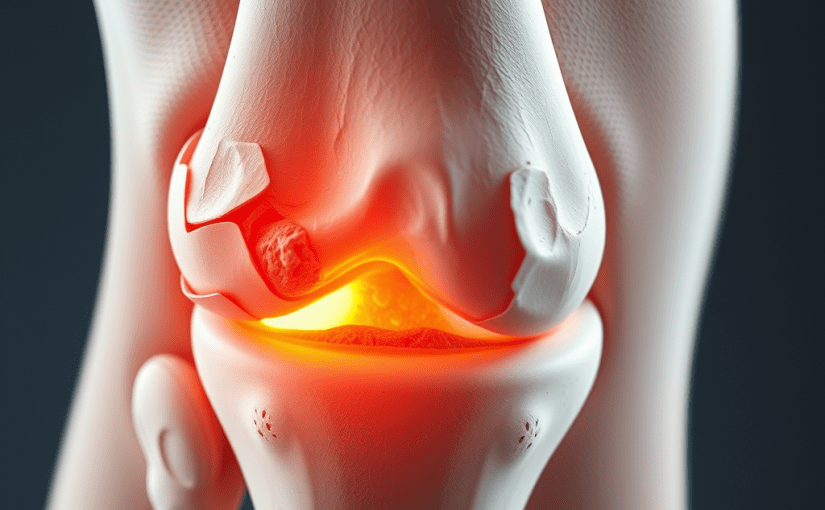
The Health Benefits of Ending Daylight Saving Time, and Why It Matters in 2025

Since DST just ended yesterday in the US, I decided to write a post about it. I HATE DST! I dread Spring and Fall because of the time changes that mess with me all year long. Just when I start getting used to one time change, it’s time to change it again. As someone with multiple chronic illnesses, the effects of this are extremely difficult to deal with.

DST and chronic illness 

It’s not just about losing an hour of sleep in the Spring, just to get it back in the fall. I already have trouble sleeping and staying asleep, and this certainly doesn’t help any. I’m also in significantly more pain after the time changes, because my routine has been changed.

I know it doesn’t seem like much of a shift, but when dealing with multiple chronic illnesses, it is. My routine is part of my health care routine. My routine plays a critical role in my healthcare. My body needs to know what to expect and when, and it gets used to that.

The stress hormones that are released because of the time change in our sleep cycles also lead to (a lot of) inflammation and pain, which will take weeks to subside, or if you’re like me, months.

Another thing to consider is our medications. When your medications are on a strict schedule, like mine, this also changes with the time. So whether your medications are for pain management, hormone replacement, or an autoimmune disease we’re left with two decisions.

Do we continue to take our medications at the same time despite the clock changes? Sometimes this isn’t possible, because some of us take our medications at certain times around our work schedules. The other choice is to change your medication schedule to match the clock. This leads to more pain, inflammation, and flare-ups for me.

Ending Daylight Saving Time (DST) brings several measurable health benefits and addresses public demand for a change. Recent research highlights that the twice-yearly clock changes disrupt the body’s circadian rhythms, triggering effects that go well beyond “feeling tired.” Here’s what the science and public opinion say.

Daylight Saving Time health effects

Reduced Obesity and Stroke Risk: New studies show that keeping the same time year-round, especially permanent standard time, could reduce obesity rates by nearly 0.8% (about 2.6 million people) and prevent around 300,000 cases of stroke in the U.S. Permanent daylight saving time also decreases risk, but to a slightly lesser extent.
Improved Heart and Brain Health: Sudden time changes are linked to higher rates of heart attacks, strokes, and cognitive issues, especially in the week following the clock shift.
Safer Roads and Workplaces: Studies find spikes in car crashes, workplace injuries, and hospital admissions right after DST changes, due to sleep loss and circadian misalignment.
Better Mental Health: Disrupted sleep from DST can worsen depression, anxiety, and mood regulation—especially for shift workers or those with pre-existing sleep disorders.

Ending DST benefits

Well-being: Most people feel tired, less alert, and less productive after clock changes, and research connects this to real health and safety hazards.
Alignment With Natural Body Clocks: The medical community, including the American Academy of Sleep Medicine, recommends sticking to permanent standard time, which better matches human circadian rhythms.
Inconvenience: DST originated as an energy-saving policy, but now has minimal impact on energy use and more drawbacks for modern life.

Why Do We Still Do It?

Policy and Debate: Though there is significant public and expert support for eliminating DST, U.S. law and political debates have prevented full change. Some advocate making daylight time permanent for more evening daylight, but health experts favor standard time for better morning light and overall wellness.
Uncertainty Across States: States need federal approval to switch to permanent DST, and consensus remains impossible due to varying regional preferences.

Research shows that abandoning clock changes could bring widespread benefits for heart, brain, and metabolic health, enhance public safety, and support healthier sleep for everyone.

I know that I, for one, would be much happier to not have to deal with this again. Unfortunately, I also know that trying to get everybody to agree on something is never going to happen. So, until the time I can retire and make my own schedule, I’m left dealing with the repercussions of DST.

How does DST affect you? Would you rather eliminate DST, or make DST permanent? Leave your comments below.

Leave a comment

Would you like to subscribe to receive updates when there’s a new post? Have you read my latest newsletter, the Monthly Chronic Illness Research Update? Subscribe to either one or both here.

Asthma: What You Really Need to Know (And What Your Family Should Understand)

Living with asthma means carrying an inhaler everywhere you go, just in case. It’s the tightness in your chest that makes you wonder if this breath will be your last, and the wheeze that announces to everyone around you that you’re struggling. It’s planning your life around triggers; avoiding certain perfumes, checking air quality before going outside, and always having a backup plan when your lungs decide they don’t want to cooperate.
I’m pretty good at keeping it under control now, but I remember when I was young and my mother was trying to treat me at home without meds. I got so scared because I couldn’t breathe, and I had a panic attack too…it was terrifying.
Whether you’ve recently been diagnosed, have been managing asthma for years, or love someone navigating this respiratory condition, this guide will give you the complete picture of what asthma really means.

What Is Asthma? (More Than Just “Breathing Problems”)

Asthma is a chronic respiratory condition where your airways become inflamed, narrow, and produce extra mucus, making it difficult to breathe. Think of your airways like flexible tubes that carry air to your lungs. In asthma, these tubes become swollen and hypersensitive, reacting to triggers by tightening up and producing thick, sticky mucus that further blocks airflow.

During an asthma attack, three things happen simultaneously:

  • Bronchoconstriction: The muscles around your airways tighten and squeeze
  • Inflammation: The airway walls become swollen and inflamed
  • Mucus production: Your airways produce excess thick, sticky mucus

This combination creates the classic symptoms of wheezing, coughing, chest tightness, and shortness of breath. But asthma isn’t just about having trouble breathing during attacks – it’s a chronic condition that requires ongoing management even when you feel fine.

Key Facts:

  • Asthma affects more than 25 million Americans, including 5.1 million children
  • It’s the third-leading cause of hospitalization among children under 15
  • Asthma deaths are largely preventable with proper treatment and management
  • It can develop at any age, though it often starts in childhood
  • There’s no cure, but asthma can be effectively controlled with proper treatment

The Myths vs. Reality: What Asthma Actually Is

Myth: “Asthma isn’t serious – it’s just wheezing” Reality: Asthma can be life-threatening. It causes about 10 deaths per day in the United States, and most of these deaths are preventable with proper treatment.

Myth: “People with asthma should avoid exercise” Reality: With proper management, people with asthma can participate in all types of physical activities, including competitive sports. Exercise-induced asthma can be prevented with pre-treatment.

Myth: “Children will outgrow their asthma” Reality: While some children’s symptoms may improve as they get older, asthma is typically a lifelong condition. Many people whose asthma seemed to disappear in adolescence find it returns in adulthood.

Myth: “Asthma is caused by poor air quality or pollution” Reality: While air pollution can trigger asthma symptoms, it doesn’t cause asthma. Asthma is caused by a combination of genetic and environmental factors.

Myth: “Inhalers are addictive and should be avoided” Reality: Asthma medications, including inhalers, are not addictive. In fact, avoiding prescribed medications can lead to worsening symptoms and dangerous attacks.

Myth: “Natural remedies can cure asthma” Reality: While some complementary approaches may help with symptom management, there is no cure for asthma, and it requires medical treatment to prevent serious complications.

Myth: “If you can talk during an asthma attack, it’s not serious” Reality: Severe asthma attacks can be life-threatening even when the person can still speak. The ability to talk doesn’t indicate the severity of an attack.

What Asthma Symptoms Actually Feel Like

The textbook symptoms include wheezing, coughing, and shortness of breath. But here’s what those symptoms actually feel like in daily life:

During an Asthma Attack

The chest tightness: It feels like someone is sitting on your chest or squeezing you in a bear hug that gets tighter and tighter. You try to expand your lungs, but they won’t cooperate.

The struggle for air: Every breath becomes work. You might feel like you’re breathing through a straw that keeps getting smaller. You can get air in, but it’s hard to get it back out.

The panic that sets in: When you can’t breathe properly, fear takes over. Your heart starts racing, which makes you need even more oxygen that you can’t get. I remember being young and my mother trying to treat my asthma at home without medications. I got so scared because I couldn’t breathe that I had a panic attack on top of the asthma attack. It was absolutely terrifying – the feeling that you might not get your next breath is overwhelming, especially for a child.

The wheeze: That high-pitched whistling sound as air tries to squeeze through your narrowed airways. Sometimes you can hear it yourself, sometimes others notice it first.

The cough: A persistent, often dry cough that can be worse at night or early morning. It’s your body’s attempt to clear the airways, but it often makes breathing even harder.

Between Attacks

The constant awareness: Even when you’re breathing normally, you’re always conscious of your breathing in a way most people aren’t. You notice when the air quality changes, when someone is wearing strong perfume, when the seasons shift.

The preparedness: You always know where your inhaler is. You check it before leaving the house, make sure you have backups, and plan activities around potential triggers.

The exercise hesitation: You might hold back during physical activities, not because you can’t do them, but because you’re always aware that exertion could trigger symptoms.

The weather sensitivity: Changes in temperature, humidity, or air pressure can affect how your lungs feel. Cold air might make your chest tight, humid air might feel heavy and hard to breathe.

Types of Asthma: Understanding the Differences

Allergic Asthma

  • Triggered by allergens like pollen, dust mites, pet dander, or mold
  • Often accompanied by other allergic conditions like hay fever or eczema
  • Symptoms may be seasonal or year-round depending on triggers
  • Usually develops in childhood

Non-Allergic Asthma

  • Triggered by factors other than allergens (stress, weather, illness, exercise)
  • Often develops in adulthood
  • May be harder to identify specific triggers
  • Can be more persistent than allergic asthma

Exercise-Induced Asthma (Exercise-Induced Bronchoconstriction)

  • Symptoms occur during or after physical activity
  • More common in cold, dry environments
  • Can often be prevented with pre-treatment
  • Doesn’t mean you can’t exercise – just need proper management

Occupational Asthma

  • Caused by breathing in workplace irritants or allergens
  • Symptoms may improve away from work
  • Can develop even in people with no previous history of asthma
  • Requires identifying and avoiding workplace triggers

Severe Asthma

  • Difficult to control despite high-dose medications
  • May require specialized treatment approaches
  • Can significantly impact daily life and activities
  • Needs management by an asthma specialist

How Asthma Is Diagnosed

Asthma diagnosis involves several components since symptoms can mimic other respiratory conditions.

Medical History and Physical Exam

Symptom assessment: Your doctor will ask about:

  • When symptoms occur and what triggers them
  • How often you experience symptoms
  • Whether symptoms interfere with sleep or activities
  • Family history of asthma or allergies
  • Previous respiratory infections or illnesses

Physical examination: Checking for:

  • Wheezing or other abnormal lung sounds
  • Signs of allergic conditions (eczema, nasal polyps)
  • Overall respiratory function
  • Signs of complications

Lung Function Tests

Spirometry: The primary test for asthma diagnosis

  • Measures how much air you can exhale and how quickly
  • Often performed before and after using a bronchodilator
  • Shows if airways open up after medication (reversibility)

Peak flow monitoring: Using a simple device to measure how fast you can blow air out

  • Can be done at home to monitor daily lung function
  • Helps identify patterns and early warning signs of attacks
  • Useful for long-term asthma management

Methacholine challenge test: For cases where spirometry is normal but asthma is suspected

  • Involves inhaling a substance that can trigger mild airway narrowing
  • Only done in specialized clinics with emergency equipment available

Additional Tests

Allergy testing: To identify specific triggers

  • Skin prick tests or blood tests for common allergens
  • Helps determine if asthma is allergically triggered
  • Guides environmental control measures

Chest X-ray: To rule out other conditions

  • Usually normal in asthma
  • Helps exclude pneumonia or other lung problems

Exhaled nitric oxide test: Measures inflammation in airways

  • Higher levels suggest allergic asthma
  • Can help guide treatment decisions

Daily Life with Asthma: What Management Really Looks Like

Living with asthma means developing systems and habits that help you avoid triggers and manage symptoms effectively.

Morning and Evening Routines

Medication timing: Taking controller medications at consistent times, even when feeling fine. I’ve learned that skipping my daily controller inhaler, even for a few days, can lead to increased symptoms and sensitivity to triggers.

Peak flow monitoring: Some people benefit from checking their peak flow readings daily to track lung function trends and catch problems early.

Environment check: Being aware of air quality, pollen counts, weather changes, or other factors that might affect your breathing during the day.

Trigger Management

Indoor air quality:

  • Using air purifiers with HEPA filters
  • Keeping humidity levels between 30-50%
  • Regular cleaning to reduce dust mites and pet dander
  • Avoiding strong scents, cleaning products, and air fresheners

Outdoor considerations:

  • Checking air quality indexes before outdoor activities
  • Timing outdoor exercise for when pollen counts are lower
  • Having a plan for high pollution or poor air quality days

Social situations:

  • Politely asking people not to smoke or use strong perfumes around you
  • Choosing restaurants and venues with good ventilation
  • Having an action plan for when you encounter unexpected triggers

Exercise and Physical Activity

Pre-exercise preparation:

  • Using rescue inhaler 15-30 minutes before exercise if recommended
  • Warming up gradually to prepare airways
  • Choosing appropriate activities and environments

During exercise awareness:

  • Monitoring how you feel and stopping if symptoms develop
  • Breathing through your nose when possible to warm and humidify air
  • Having rescue medication easily accessible

Post-exercise recovery:

  • Cooling down gradually rather than stopping abruptly
  • Staying hydrated and monitoring for delayed symptoms

Work and School Considerations

Emergency preparedness:

  • Keeping rescue inhalers in multiple locations
  • Making sure colleagues or teachers know about your asthma
  • Having a written action plan readily available

Environmental modifications:

  • Requesting seating away from air vents or sources of irritants
  • Ensuring good ventilation in work areas
  • Having accommodations for outdoor work or activities

Treatment Options: A Comprehensive Approach

Asthma treatment focuses on two main goals: controlling daily symptoms and preventing attacks.

Controller Medications (Daily Prevention)

Inhaled Corticosteroids (ICS): The gold standard for asthma control

  • Examples: Fluticasone (Flovent), Budesonide (Pulmicort), Beclomethasone (Qvar)
  • Reduce airway inflammation and prevent symptoms
  • Must be taken daily, even when feeling well
  • Side effects are minimal when used as prescribed

Long-Acting Beta Agonists (LABA): Often combined with ICS

  • Examples: Salmeterol (Serevent), Formoterol (Foradil)
  • Keep airways open for 12+ hours
  • Should never be used alone without an ICS

Combination Inhalers: ICS + LABA in one device

  • Examples: Advair (fluticasone/salmeterol), Symbicort (budesonide/formoterol)
  • Convenient single inhaler for both inflammation control and bronchodilation
  • Ensures both medications are taken together

Leukotriene Modifiers: Oral medications

  • Examples: Montelukast (Singulair), Zafirlukast (Accolate)
  • Block inflammatory substances that cause asthma symptoms
  • Particularly helpful for allergic asthma and exercise-induced symptoms

Biologic Medications: For severe asthma

  • Examples: Omalizumab (Xolair), Mepolizumab (Nucala), Dupilumab (Dupixent)
  • Target specific immune system pathways
  • Given by injection, usually monthly or every few weeks
  • Reserved for severe asthma not controlled by other medications

Rescue Medications (Quick Relief)

Short-Acting Beta Agonists (SABA): First-line rescue treatment

  • Examples: Albuterol (ProAir, Ventolin, Proventil), Levalbuterol (Xopenex)
  • Quickly relax airway muscles to open breathing passages
  • Work within minutes and last 4-6 hours
  • Should be carried at all times

Anticholinergics: Alternative bronchodilators

  • Examples: Ipratropium (Atrovent)
  • May be used when SABAs aren’t effective
  • Often combined with albuterol in emergency situations

Proper Inhaler Technique

Many people don’t get full benefit from their medications due to poor inhaler technique:

Metered Dose Inhalers (MDI):

  1. Remove cap and shake inhaler
  2. Breathe out fully
  3. Place lips around mouthpiece creating seal
  4. Press down while breathing in slowly and deeply
  5. Hold breath for 10 seconds
  6. Wait 1 minute between puffs if using multiple doses

Dry Powder Inhalers (DPI):

  1. Load dose according to device instructions
  2. Breathe out fully (away from device)
  3. Place lips around mouthpiece
  4. Breathe in quickly and deeply
  5. Hold breath for 10 seconds
  6. Rinse mouth after using corticosteroids

Spacers and holding chambers: Improve medication delivery and reduce side effects

  • Essential for children and during acute attacks
  • Help ensure medication reaches the lungs rather than staying in the mouth

Emergency Management: When Asthma Becomes Life-Threatening

Recognizing a Severe Asthma Attack

Warning signs that require immediate emergency care:

  • Severe shortness of breath, wheezing, or coughing
  • Difficulty speaking in full sentences
  • Chest retractions (skin pulling in around ribs when breathing)
  • Blue or gray lips or fingernails
  • Peak flow reading in red zone (if you monitor)
  • Rescue inhaler not providing relief or needed more frequently than every 4 hours

Emergency Action Plan

Every person with asthma should have a written plan that includes:

  • Daily medications and dosages
  • Trigger identification and avoidance strategies
  • Early warning signs of worsening asthma
  • Step-by-step instructions for treating attacks
  • When to call the doctor or go to emergency room
  • Emergency contact information

During an Asthma Attack

Immediate steps:

  1. Stay calm (panic worsens breathing)
  2. Sit upright, don’t lie down
  3. Use rescue inhaler immediately
  4. Take slow, steady breaths
  5. If no improvement in 15-20 minutes, use rescue inhaler again
  6. Call 911 if severe symptoms or no improvement

What NOT to do:

  • Don’t ignore worsening symptoms hoping they’ll improve
  • Don’t be afraid to use your rescue inhaler
  • Don’t wait too long to seek emergency care
  • Don’t assume you can “tough it out”

Hospital Treatment

Emergency department care may include:

  • Nebulized bronchodilators (albuterol, ipratropium)
  • Oral or IV corticosteroids
  • Oxygen therapy
  • Chest X-rays to rule out complications
  • Peak flow or spirometry monitoring
  • Observation until symptoms improve

Asthma in Different Life Stages

Childhood Asthma

Special considerations:

  • Often develops before age 5
  • May be triggered by viral infections
  • Requires coordination between parents, schools, and healthcare providers
  • Growth monitoring important with inhaled corticosteroids
  • Teaching proper inhaler technique takes time and practice

School management:

  • Ensuring rescue inhalers are available at school
  • Training school staff to recognize and respond to attacks
  • Physical education modifications as needed
  • Field trip planning around potential triggers

Adult-Onset Asthma

Unique aspects:

  • Often non-allergic and more persistent
  • May be related to occupational exposures
  • Can be triggered by viral infections, stress, or hormonal changes
  • May require different treatment approaches than childhood asthma

Asthma in Pregnancy

Important considerations:

  • Asthma can improve, worsen, or stay the same during pregnancy
  • Most asthma medications are safe during pregnancy
  • Uncontrolled asthma poses greater risks than medications
  • Close monitoring with both obstetrician and asthma specialist needed

Asthma in Older Adults

Special challenges:

  • May be misdiagnosed as heart disease or COPD
  • Multiple medications can complicate treatment
  • Physical limitations may affect inhaler technique
  • Higher risk of complications from attacks

Potential Complications: Why Control Matters

Respiratory Complications

Status asthmaticus: Life-threatening asthma attack that doesn’t respond to usual treatment

  • Requires emergency medical care
  • May need mechanical ventilation
  • Can be fatal without prompt treatment

Pneumothorax: Collapsed lung from severe coughing or air trapping

  • Rare but serious complication
  • Causes sudden, severe chest pain and shortness of breath
  • Requires immediate medical attention

Respiratory infections: People with asthma may be more susceptible

  • Viral infections can trigger severe asthma attacks
  • Bacterial infections may require antibiotic treatment
  • Flu vaccination especially important for people with asthma

Long-term Effects

Airway remodeling: Permanent changes to airway structure

  • Results from chronic inflammation
  • Can occur even with mild asthma if poorly controlled
  • Emphasizes importance of consistent controller medication use

Reduced lung function: Progressive decline if asthma is not well-controlled

  • Can affect exercise capacity and quality of life
  • May become irreversible over time
  • Prevention through good control is key

Impact on Daily Life

Sleep disruption: Nighttime symptoms affect rest and daytime functioning

  • Can lead to fatigue, difficulty concentrating, and mood changes
  • Indicates poor asthma control and need for treatment adjustment

Activity limitations: Poorly controlled asthma can restrict physical activities

  • May affect work performance, exercise capacity, and social activities
  • Can lead to deconditioning and reduced quality of life

Psychological impact: Chronic illness can affect mental health

  • Anxiety about attacks is common and understandable
  • Depression may develop from activity limitations
  • Support and counseling can be helpful

For Family and Friends: How to Really Help

What TO Do:

Learn about asthma: Understanding that it’s a real medical condition, not something they can just “breathe through” or control by willpower alone.

Know their triggers: Help identify and avoid environmental triggers when possible. This might mean not wearing strong perfumes, choosing restaurants with good ventilation, or helping with cleaning to reduce allergens.

Understand their medications: Know the difference between daily controller medications and rescue inhalers. Support their need to take daily medications even when they feel fine.

Recognize emergency signs: Learn to identify when they need immediate medical help and don’t hesitate to call 911 if needed.

Be prepared to help: Know where their rescue inhaler is located and how to assist during an attack (staying calm, helping them sit upright, calling for help if needed).

Support their lifestyle adaptations: Understand why they might need to limit certain activities or leave situations where they encounter triggers.

Encourage proper medical care: Support regular check-ups with their doctor and encourage them not to skip medications or appointments.

What NOT to Do:

Don’t minimize their condition: Comments like “it’s just asthma” or “at least it’s not cancer” dismiss the very real impact asthma has on daily life.

Don’t suggest they’re being overdramatic: Asthma attacks are genuinely frightening, especially when you’ve experienced severe ones before.

Don’t pressure them to “push through” symptoms: This can be dangerous and lead to severe attacks.

Don’t smoke or use strong scents around them: Even if they don’t immediately react, these can contribute to ongoing inflammation.

Don’t discourage medication use: Comments about “being dependent on drugs” can be harmful when medications are medically necessary.

Don’t assume they can’t do things: Ask what they’re comfortable with rather than making decisions for them.

Supporting During an Attack

Stay calm: Your anxiety can increase their panic and worsen the attack.

Help them get comfortable: Assist them to sit upright (don’t lie down) in a quiet area with good ventilation.

Get their rescue inhaler: If they can’t reach it themselves, get it for them quickly.

Monitor the situation: Watch for signs that the attack is worsening or not improving with rescue medication.

Know when to call for help: Don’t hesitate to call 911 if they’re having severe difficulty breathing, can’t speak in full sentences, or their rescue inhaler isn’t helping.

Follow their action plan: If they have a written asthma action plan, help them follow the steps outlined for managing attacks.

Living Well with Asthma: Long-Term Strategies

Building Confidence in Management

Education is empowerment: The more you understand about your asthma, the better you can control it. Work with your healthcare team to learn about your specific triggers, medications, and warning signs.

Develop routines: Consistent medication schedules, regular monitoring, and environmental control measures become second nature over time.

Emergency preparedness: Having a clear action plan and multiple rescue inhalers available reduces anxiety about potential attacks.

Lifestyle Adaptations That Work

Exercise modifications: Most people with asthma can exercise regularly with proper preparation and medication use. Start slowly, warm up gradually, and have your rescue inhaler nearby.

Travel planning: Research your destination’s air quality, pack extra medications, and bring copies of prescriptions. Know how to access emergency care if needed.

Career considerations: Most careers are compatible with asthma, though some occupational exposures may need to be avoided. Discuss any workplace concerns with your doctor.

Building Support Networks

Healthcare team: Regular relationships with your primary care doctor, asthma specialist, and pharmacist ensure consistent, coordinated care.

Family and friends: Educating your support network about asthma helps them provide appropriate help and reduces misunderstandings.

Asthma community: Connecting with others who have asthma can provide practical tips, emotional support, and advocacy opportunities.

Technology and Tools

Apps for tracking: Smartphone apps can help monitor symptoms, track peak flow readings, and identify trigger patterns.

Air quality monitoring: Weather apps and websites provide daily air quality information to help plan outdoor activities.

Medication reminders: Automated reminders help ensure consistent use of controller medications.

Frequently Asked Questions

Can asthma be cured? Currently, there’s no cure for asthma, but it can be very effectively controlled with proper treatment. Many people with well-controlled asthma live completely normal, active lives.

Will my child outgrow their asthma? Some children’s symptoms may improve or seem to disappear during adolescence, but asthma is typically a lifelong condition. Even if symptoms improve, the underlying tendency toward asthma usually remains.

Is it safe to exercise with asthma? Yes! With proper management, people with asthma can participate in all types of sports and exercise. Many Olympic athletes have asthma. The key is working with your doctor to develop an appropriate pre-exercise treatment plan.

Can I use my rescue inhaler too much? If you’re needing your rescue inhaler more than twice a week (excluding exercise), it usually indicates that your asthma isn’t well-controlled and you need to see your doctor for treatment adjustment.

Do inhaled corticosteroids cause the same side effects as oral steroids? Inhaled corticosteroids are much safer than oral steroids because they deliver medication directly to the lungs with minimal absorption into the bloodstream. Side effects are generally limited to local effects like thrush or hoarse voice.

Can stress trigger asthma attacks? Yes, emotional stress can trigger asthma symptoms in some people. Learning stress management techniques and ensuring good overall asthma control can help minimize stress-related attacks.

Is asthma hereditary? There is a genetic component to asthma. Having parents or siblings with asthma increases your risk, but it doesn’t guarantee you’ll develop it. Environmental factors also play a significant role.

Resources and Support

Professional Organizations

  • Asthma and Allergy Foundation of America (AAFA): aafa.org – Comprehensive asthma education and advocacy
  • American Lung Association: lung.org – Resources for lung health and asthma management
  • National Heart, Lung, and Blood Institute: nhlbi.nih.gov – Evidence-based asthma guidelines and information

Educational Resources

  • Centers for Disease Control and Prevention (CDC): cdc.gov/asthma – National asthma statistics and prevention programs
  • Global Initiative for Asthma (GINA): ginasthma.org – International asthma management guidelines
  • Allergy & Asthma Network: allergyasthmanetwork.org – Patient advocacy and education

Emergency Resources

  • National Poison Control Center: 1-800-222-1222 (for medication questions)
  • Emergency Medical Services: 911 (for severe asthma attacks)
  • Asthma and Allergy Foundation Helpline: 1-800-7-ASTHMA

Apps and Tools

  • AsthmaMD: Tracks symptoms, medications, and triggers
  • Asthma Health by Mount Sinai: Research-based tracking and education
  • Air Quality Index apps: Monitor daily air quality in your area
  • Peak flow diary apps: Track lung function trends

Support Communities

  • Local asthma support groups: Check with hospitals and community health centers
  • Online communities: Facebook groups, Reddit communities for peer support
  • American Lung Association Better Breathers Clubs: Local support groups for people with lung conditions

Financial Assistance

  • Pharmaceutical company patient assistance programs: Help with medication costs
  • State pharmaceutical assistance programs: Vary by state
  • NeedyMeds.org: Database of assistance programs for medications and healthcare

The Bottom Line

Asthma is a serious chronic condition that requires ongoing medical management, but with proper treatment, most people with asthma can live full, active lives. The key is developing a good relationship with your healthcare team, learning to recognize your personal triggers and warning signs, and maintaining consistent use of controller medications even when you feel fine.

If you’ve been recently diagnosed with asthma, know that while it may feel overwhelming at first, millions of people successfully manage this condition every day. The treatments available today are more effective than ever, and with time, managing your asthma will become as routine as brushing your teeth.

If you’re supporting someone with asthma, your understanding and preparedness can make an enormous difference in their daily experience and confidence in managing their condition. Asthma attacks can be frightening for everyone involved, but with proper knowledge and preparation, they become much more manageable.

Looking back on my own experience, I’m grateful that my childhood episodes of struggling to breathe led to proper diagnosis and treatment. What once felt terrifying and out of control is now something I manage successfully every day. That progression from fear to confidence is possible for everyone with asthma when they have the right information, support, and medical care.

Remember: This information is educational and should not replace advice from your healthcare provider. Always consult with your doctor or asthma specialist for personalized asthma management plans.

Living with asthma or supporting someone who is? Share your experiences and helpful strategies in the comments below. Your insights might help others navigate this very manageable but serious respiratory condition.


Wellness on Your Terms: Redefining Health with Chronic Illness (And Why Traditional Wellness Culture Fails Us)

If you live with chronic illness, you’ve probably been bombarded with wellness advice that feels impossible or even harmful: “Just exercise more!” “Try this superfood!” “Manifest your health!” Meanwhile, some days getting out of bed IS your exercise. If you love someone with a chronic illness, understanding why traditional wellness culture doesn’t work for them is crucial. This isn’t about giving up on health – it’s about redefining what wellness looks like when your body has different rules, different limitations, and different needs.

Because wellness doesn’t always mean green smoothies and gym sessions—it’s about doing what’s right for YOUR body.

Why Traditional Wellness Culture Fails People with Chronic Illness

The Problem with One-Size-Fits-All Wellness

Traditional wellness culture promotes a narrow definition of health that typically includes:

  • Intense daily exercise routines
  • Restrictive diets and “clean eating”
  • Productivity optimization and hustle culture
  • The belief that you can control your health through willpower
  • Shame for not meeting arbitrary wellness standards

But here’s the reality: Most wellness tips focus on diet, exercise, and productivity, but what about those of us with chronic illnesses? I don’t know about you, but there are days when getting out of bed IS my exercise for the day.

The Toxic Messaging We Face

“You’re just not trying hard enough” – This ignores the reality that chronic illness creates legitimate physical limitations that can’t be overcome through willpower alone.

“If you really wanted to be healthy, you’d find a way” – This places moral judgment on health outcomes and ignores the complex factors that affect chronic conditions.

“Everyone can exercise/diet/meditate their way to health” – This assumes all bodies work the same way and have the same capabilities.

“Your health is entirely in your control” – This dismisses genetic factors, autoimmune processes, and other elements beyond personal control.

The Diversity of Chronic Illness Experience

This is different for everyone suffering from a chronic illness:

  • Some people can do light exercise such as yoga or walking
  • Others, like me, getting out of bed is their exercise some days
  • Some people can walk through the grocery store with few problems
  • Others just want to cry at the thought of navigating a busy store
  • Some can work full-time with accommodations
  • Others are disabled and unable to work

The key point: There is no universal chronic illness experience, and wellness approaches must be individualized.

Redefining Rest: It’s Medicine, Not Laziness

Breaking the Rest Guilt Cycle

I can’t emphasize this enough: resting isn’t being lazy—it’s necessary. If you have a chronic illness, please read that again and believe it.

We need to shift our internal dialogue from:

  • ❌ “I’m being lazy”
  • ❌ “I should be doing more”
  • ❌ “I’m wasting the day”
  • ❌ “I’m not productive enough”

To:

  • ✅ “I’m taking necessary steps to manage my health”
  • ✅ “Rest is part of my treatment plan”
  • ✅ “I’m listening to my body’s needs”
  • ✅ “Recovery time helps prevent flares”

The Science Behind Rest as Medicine

For chronic illness, rest serves multiple medical purposes:

  • Pain management: Rest can reduce inflammation and muscle tension
  • Energy conservation: Prevents post-exertional malaise in conditions like ME/CFS
  • Stress reduction: Lowers cortisol levels that can worsen symptoms
  • Immune function: Allows the body to repair and regenerate
  • Cognitive recovery: Helps with brain fog and mental fatigue

Rest is not the absence of productivity – it’s active healthcare management.

What Wellness Really Means for Chronic Illness Warriors

Learning the Hard Way: Why “Pushing Through” Doesn’t Work

“Pushing through” is not an option for us and only makes things worse. I have learned this the hard way, as I’m sure many others have also. When I first started having severe problems with pain and fatigue, I tried to keep up the pace of my life. The longer that I refused to admit that I had problems, the worse my symptoms got. It took quite a while to recuperate from this foolishness. I finally had to admit that I just couldn’t keep doing what I had always done before.

The Real Consequences of Ignoring Limitations

What happens when we push through:

  • Symptom flares: Overexertion often leads to worse pain, fatigue, or other symptoms
  • Extended recovery time: What might take a healthy person a day to recover from could take us weeks
  • Accumulated damage: Repeatedly ignoring our body’s signals can worsen underlying conditions
  • Mental health impact: Constant failure to meet unrealistic expectations damages self-esteem
  • Relationship strain: Burning out affects our ability to maintain connections

The New Definition of Strength

Strength with chronic illness looks like:

  • Listening to your body’s signals instead of ignoring them
  • Saying no to commitments when you need to rest
  • Advocating for accommodations you need
  • Asking for help when necessary
  • Adapting your goals based on current capabilities
  • Celebrating small victories and progress

Personalized Wellness: Defining Health on Your Terms

Creating Your Own Health Goals

It is so important that we pay attention to what our bodies tell us. Each one of us has to define our own health goals, not listen to what the media or society as a whole tries to tell us. Our goals should focus on:

Flexibility over rigidity:

  • Having backup plans for bad symptom days
  • Adjusting expectations based on current capacity
  • Choosing approaches that can be modified as needed

Self-care over self-improvement:

  • Focusing on comfort and symptom management
  • Prioritizing activities that bring joy and peace
  • Accepting where you are instead of constantly trying to “fix” yourself

Progress over perfection:

  • Celebrating any forward movement, no matter how small
  • Recognizing that progress isn’t always linear
  • Understanding that maintenance can be an achievement

Small, Sustainable Changes That Actually Work

When making small, sustainable changes with a chronic illness, focus on incorporating tiny adjustments to your sleep habits and stress management, prioritizing what works best for your body on any given day.

Examples of sustainable changes:

  • Drinking an extra glass of water each day
  • Adding 5 minutes of gentle stretching when you feel up to it
  • Going to bed 15 minutes earlier
  • Taking three deep breaths when you feel overwhelmed
  • Preparing easy meals on good days to use on bad days

Rest and sleep when your body tells you. This alone can work for feeling a little better.

Stress Management: A Unique Challenge with Chronic Illness

Work on stress management. I don’t know about many of you, but stress is probably one of the things that I struggle the most with. I have all this time to sit around and stress about everything that I can’t do anymore. I hate the feeling of helplessness that this creates because there is nothing that I can do about it.

Why stress management is complicated with chronic illness:

  • Physical symptoms create stress
  • Stress worsens physical symptoms (vicious cycle)
  • Financial concerns from medical costs and work limitations
  • Social isolation from cancelled plans and limited energy
  • Grief over lost abilities and changed life plans
  • Uncertainty about the future

Chronic illness-appropriate stress management:

  • Accepting that some stress is inevitable and valid
  • Finding techniques that work with physical limitations
  • Building support networks that understand chronic illness
  • Professional counseling with therapists familiar with chronic conditions
  • Mindfulness practices adapted for physical discomfort

Dismantling Toxic Wellness Culture

What Toxic Wellness Culture Looks Like

We all need to get rid of the toxic wellness culture and the shame associated with it. As Equip Director of Lived Experience JD Ouellette explains:

“Wellness culture as we are sold it today is the idea that we are solely responsible for and able to significantly change our health, and that pursuit of health through rigorous focus on diet and exercise confers moral superiority to those who pursue it.”

Toxic wellness culture promotes:

  • Health as a moral obligation
  • The idea that illness is a personal failing
  • Expensive solutions as necessary for health
  • Comparison and competition around health metrics
  • Shame for not meeting arbitrary standards

A Healthier Approach to Wellness

Equip Registered Dietitian Gabriela Cohen, MS, RD, LDN offers better guidance: “Focus more on what you can add, rather than what you can take away. Think about your hydration, your sleep, your anxiety levels. And always remember there is no need to change anything — you are more than fine the way you are. Do the work and define what being ‘well’ and ‘healthy’ means to you, taking into account that there are more aspects to health besides your food intake and the way you move your body.”

This approach emphasizes:

  • Addition rather than restriction
  • Multiple dimensions of health
  • Individual definition of wellness
  • Acceptance of current state
  • Holistic rather than narrow focus

Practical Wellness Strategies for Chronic Illness

🌿 Gentle Movement Ideas

Movement doesn’t have to mean gym workouts or intense exercise. For people with chronic illness, gentle movement can provide benefits without triggering flares:

Chair-based exercises:

Low-impact options:

  • Taking short walks if possible (even 2-3 minutes counts)
  • Gentle stretching when you wake up
  • Standing and sitting exercises
  • Water-based activities if accessible

Energy pacing principles:

  • Energy pacing & rest-based exercise
  • Start with less than you think you can handle
  • Rest before you’re exhausted
  • Plan recovery time after activity
  • Listen to your body’s feedback

🍽️ Nutrition Without Overwhelm

Nutrition with chronic illness isn’t about perfect eating – it’s about nourishing your body in ways that are sustainable and realistic.

Simple, nourishing snacks that help sustain energy:

  • Yogurt, fruit, and granola
  • Peanut butter and banana sandwich
  • Hummus and vegetables
  • Cottage cheese with fruit
  • Easy salad – salad mix, cherry tomatoes, ham or chicken cubes, and salad dressing

Principles for chronic illness nutrition:

  • Eating without guilt – because restriction isn’t the answer
  • Convenience is okay – pre-prepared foods can be lifesavers on bad days
  • Hydration matters – often easier to manage than complex meal planning
  • Blood sugar stability – regular, balanced meals can help with energy
  • Anti-inflammatory focus – when possible and practical

Practical nutrition strategies:

  • Batch cooking on good days
  • Keeping easy backup meals available
  • Using grocery delivery when shopping is overwhelming
  • Focusing on adding nutrients rather than restricting foods

😴 Prioritizing Rest & Recovery

Sleep and rest are crucial for chronic illness management, but they can also be challenging due to pain, medication side effects, and anxiety.

Rest strategies:

Sleep optimization:

🧠 Mental Wellness & Self-Care

Mental health is inseparable from physical health, especially with chronic illness.

Managing wellness overwhelm:

Developing sustainable self-care:

  • Developing self-care routines
  • Self-care that works with limited energy
  • Free and low-cost self-care options
  • Self-care during flares vs. stable periods

Managing mental health when your body won’t cooperate:

  • Dealing with grief over lost abilities
  • Managing anxiety about symptoms and future
  • Coping with social isolation
  • Finding purpose and meaning despite limitations

💧 Hydration: The Foundation of Chronic Illness Wellness

I’m always trying to drink plenty of water because I know that hydration is super important. I love using an insulated tumbler to make sure I drink enough water. I take it with me wherever I go.

Why hydration is especially important with chronic illness:

  • Many medications can cause dehydration
  • Dehydration can worsen fatigue and brain fog
  • Proper hydration supports pain management
  • Helps with digestion and medication absorption
  • Can improve mood and cognitive function

Practical hydration strategies:

  • Using marked water bottles to track intake
  • Setting phone reminders to drink water
  • Adding electrolytes if needed (consult healthcare provider)
  • Eating water-rich foods when drinking is difficult
  • Finding beverages you actually enjoy

Creating Your Personal Wellness Framework

Step 1: Assess Your Current Reality

Questions to consider:

  • What does a good day look like for me?
  • What does a bad day look like for me?
  • What activities consistently make me feel better?
  • What activities consistently make me feel worse?
  • Where am I being too hard on myself?

Step 2: Identify Your Non-Negotiables

Examples might include:

  • Getting enough sleep (even if it’s more than “normal”)
  • Taking medications as prescribed
  • Having one day per week with no scheduled activities
  • Eating regularly to maintain blood sugar
  • Having access to comfortable seating/lying positions

Step 3: Create Flexible Goals

Instead of rigid rules, create flexible guidelines:

  • “I will move my body gently when I’m able”
  • “I will eat nourishing foods when possible and convenient foods when necessary”
  • “I will rest without guilt when my body needs it”
  • “I will ask for help when I need it”

Step 4: Build Your Support System

Your wellness team might include:

  • Healthcare providers who understand chronic illness
  • Family and friends who support your approach
  • Online communities for your specific condition
  • Mental health professionals familiar with chronic illness
  • Other people with chronic illness who “get it”

For Family and Friends: Understanding Chronic Illness Wellness

What “Healthy” Looks Like for Someone with Chronic Illness

It might mean:

  • Resting when they need to without explaining why
  • Eating in ways that work for their body and energy levels
  • Moving in gentle ways rather than intense exercise
  • Prioritizing symptom management over productivity
  • Having good days and bad days without it being their “fault”

How to Support Without Judging

DO:

  • Ask what wellness means to them
  • Support their choices even if they’re different from yours
  • Offer help with practical tasks
  • Celebrate their victories, no matter how small they seem
  • Learn about their specific condition

DON’T:

  • Suggest they try the latest wellness trend
  • Comment on their activity levels or eating habits
  • Compare them to other people (with or without chronic illness)
  • Assume they’re not doing enough to help themselves
  • Take their limitations personally

Understanding the Emotional Aspect

Chronic illness wellness includes emotional processing:

  • Grief over lost abilities
  • Frustration with limitations
  • Joy in small improvements
  • Anger at unfair circumstances
  • Hope for better management strategies

Supporting someone’s emotional wellness around chronic illness means validating these feelings rather than trying to fix or minimize them.

Frequently Asked Questions

Is it giving up to lower my expectations for exercise/diet/productivity? No, it’s being realistic and kind to yourself. Adapting your expectations to match your current capabilities is smart healthcare management, not giving up.

How do I deal with people who judge my wellness choices? Set boundaries around health discussions. You don’t owe anyone explanations for your healthcare decisions. Consider limiting time with people who consistently make you feel bad about your health management.

What if my doctor doesn’t understand my limitations? Seek providers who have experience with chronic illness. Bring detailed symptom logs and explain how activities affect your symptoms. Don’t be afraid to get second opinions.

How do I know if I’m doing enough for my health? Focus on whether your current approach helps you feel better, manage symptoms, and maintain quality of life. “Enough” is individual and can change based on your current condition status.

What if I can’t afford expensive wellness treatments? Many effective wellness strategies for chronic illness are free or low-cost: rest, gentle movement, stress management, hydration, and social connection. Don’t let financial limitations prevent you from caring for yourself.

How do I handle good days vs. bad days? Develop different wellness strategies for different symptom levels. Plan easier backup activities for bad days and gentle challenges for good days. Avoid the boom-bust cycle of overdoing it on good days.

Resources for Chronic Illness Wellness

Condition-Specific Wellness Resources

Fibromyalgia:

  • National Fibromyalgia Association (fmaware.org)
  • Fibromyalgia self-care strategies

Autoimmune conditions:

  • American Autoimmune Related Diseases Association (aarda.org)
  • Anti-inflammatory nutrition resources

Chronic fatigue/ME/CFS:

  • Solve ME/CFS Initiative (solvecfs.org)
  • Energy pacing resources

Chronic pain:

  • American Chronic Pain Association (theacpa.org)
  • Pain management strategies

General Chronic Illness Wellness

Books:

  • “The Spoon Theory” by Christine Miserandino
  • “How to Be Sick” by Toni Bernhard
  • “The Illness Lesson” by Clare Beams

Apps:

  • MySymptoms (symptom tracking)
  • Insight Timer (meditation)
  • Waterllama (hydration tracking)
  • Sleep Cycle (sleep optimization)

Websites:

  • But You Don’t Look Sick (butyoudontlooksick.com)
  • The Mighty (themighty.com)
  • Invisible Disabilities Association (invisibledisabilities.org)

Professional Support

Finding the right providers:

  • Look for healthcare providers experienced with chronic illness
  • Seek mental health professionals who understand chronic conditions
  • Consider functional medicine or integrative approaches
  • Ask for referrals from chronic illness communities

The Bottom Line

Wellness with chronic illness isn’t about achieving some external standard of health – it’s about finding what works for your unique body, limitations, and circumstances. It’s about rejecting the toxic messages that tell you you’re not doing enough and embracing approaches that actually help you feel better.

Your wellness journey might include:

  • Days when getting dressed is an accomplishment
  • Choosing rest over productivity without guilt
  • Eating in ways that work for your body, not Instagram
  • Moving gently instead of intensely
  • Asking for help when you need it
  • Celebrating small victories
  • Adapting your goals as your condition changes

What does wellness look like for YOU with chronic illness? It might look completely different from traditional wellness culture, and that’s exactly as it should be.

Remember: You are not broken and don’t need fixing. You need support, understanding, and approaches that work with your body rather than against it. You deserve wellness strategies that honor your reality rather than shame you for not meeting impossible standards.

Let’s break the stereotype and redefine wellness in ways that actually serve people with chronic illness. Because true wellness isn’t one-size-fits-all – it’s deeply personal, endlessly adaptable, and entirely yours to define.


What does wellness look like for YOU with chronic illness? Let’s break the stereotype and share real ways we take care of ourselves in the comments below.

Rheumatoid Arthritis: What You Really Need to Know (And What Your Family Should Understand)

Living with rheumatoid arthritis means waking up with joints so stiff and painful that simple tasks like opening a jar or brushing your teeth become challenges. It’s the exhaustion that goes beyond tired – a bone-deep fatigue that makes you feel like you’re moving through thick fog. It’s planning your life around unpredictable flares, managing a complex medication regimen, and dealing with an immune system that has turned against your own body. Whether you’ve recently been diagnosed, have been managing RA for years, or love someone navigating this autoimmune condition, this guide will give you the complete picture of what rheumatoid arthritis really means.

What Is Rheumatoid Arthritis? (It’s Not Just Joint Pain)

Rheumatoid arthritis (RA) is a chronic autoimmune disease where your body’s immune system mistakenly attacks your own tissues, primarily targeting the synovium – the lining of the membranes that surround your joints. Unlike osteoarthritis, which is mechanical “wear and tear,” RA is your immune system essentially declaring war on your joints.

Think of healthy joints as having a smooth, thin lining that produces lubricating fluid. With RA, your immune system attacks this lining, causing it to become inflamed and thickened. This inflamed tissue then releases enzymes that damage cartilage and bone, leading to joint deformity and disability if left untreated.

But RA isn’t just a joint disease. Because it’s systemic, it can affect:

  • Multiple organ systems throughout the body
  • Blood vessels (causing cardiovascular complications)
  • Lungs (causing scarring or nodules)
  • Eyes (causing dryness or inflammation)
  • Skin (causing nodules or rashes)
  • Heart (increasing cardiovascular risk)

Key Facts:

  • RA affects approximately 1.3 million Americans
  • About 75% of people with RA are women
  • It can develop at any age, but most commonly begins between ages 30-60
  • Early diagnosis and treatment can prevent or slow joint damage
  • It’s completely different from osteoarthritis despite both being called “arthritis”

The Myths vs. Reality: What Rheumatoid Arthritis Actually Is

Myth: “Rheumatoid arthritis is the same as osteoarthritis, just more severe”

Reality: RA and osteoarthritis are completely different diseases with different causes, symptoms, and treatments. RA is autoimmune; osteoarthritis is mechanical wear and tear.

Myth: “Only elderly people get rheumatoid arthritis”

Reality: RA can develop at any age, including in children (juvenile idiopathic arthritis). Many people are diagnosed in their 30s, 40s, and 50s.

Myth: “Rheumatoid arthritis only affects your joints”

Reality: RA is a systemic disease that can affect organs throughout the body, including the heart, lungs, eyes, and blood vessels.

Myth: “If you have rheumatoid arthritis, you’ll end up in a wheelchair”

Reality: With modern treatments, most people with RA can maintain active, independent lives. Early, aggressive treatment can prevent severe joint damage.

Myth: “Rheumatoid arthritis is caused by diet or lifestyle”

Reality: RA is an autoimmune condition likely triggered by a combination of genetic susceptibility and environmental factors. It’s not caused by poor diet or lifestyle choices.

Myth: “People with RA should avoid exercise”

Reality: Regular, appropriate exercise is crucial for maintaining joint function and overall health in people with RA.

Myth: “Natural remedies can cure rheumatoid arthritis”

Reality: While some complementary therapies may help with symptoms, RA requires medical treatment to prevent joint damage. There is no cure, but the disease can be controlled.

What Rheumatoid Arthritis Symptoms Actually Feel Like

The textbook symptoms include joint pain, swelling, and morning stiffness. But here’s what those symptoms actually feel like in daily life:

Morning stiffness: Imagine waking up feeling like your joints have been encased in concrete overnight. This isn’t the brief stiffness of osteoarthritis – it can last hours. Your hands might be so stiff you can’t make a fist, your knees so rigid you can’t bend them to get out of bed.

Joint pain and swelling: The pain is often described as deep, aching, and throbbing. Unlike osteoarthritis pain that worsens with activity, RA pain may actually improve with gentle movement. Joints become visibly swollen, warm to the touch, and tender.

Symmetrical joint involvement: RA typically affects the same joints on both sides of your body. If your right wrist hurts, your left probably does too. This symmetrical pattern helps distinguish RA from other types of arthritis.

Fatigue: This isn’t just being tired – it’s profound exhaustion that feels like your energy has been completely drained. You might feel like you need a nap after simple activities like taking a shower or making breakfast.

Flu-like symptoms: During flares, you might feel like you’re coming down with the flu – achy, weak, and generally unwell, even without fever.

Joint deformity: In advanced or poorly controlled RA, joints can become permanently deformed. Fingers might drift toward the pinky side, or develop swan-neck or boutonniere deformities.

Rheumatoid nodules: Firm lumps under the skin, usually near joints, that develop in about 20% of people with RA.

Systemic symptoms: Dry eyes and mouth, lung problems, heart complications, or blood vessel inflammation.

How Rheumatoid Arthritis Is Diagnosed

RA diagnosis involves multiple components since no single test definitively diagnoses the condition.

Clinical Assessment

Physical examination: Checking for:

  • Joint swelling, warmth, and tenderness
  • Range of motion limitations
  • Symmetrical joint involvement
  • Rheumatoid nodules
  • Overall health assessment

Medical history: Including:

  • Pattern and timing of symptoms
  • Family history of autoimmune diseases
  • Response to previous treatments
  • Impact on daily activities

Laboratory Tests

Rheumatoid Factor (RF): Antibodies present in about 70-80% of people with RA

Anti-CCP (Anti-Cyclic Citrullinated Peptide) antibodies: More specific for RA than RF, present in about 60-70% of people with RA

Inflammatory markers:

  • ESR (Erythrocyte Sedimentation Rate): Measures inflammation
  • CRP (C-Reactive Protein): Another inflammation marker

Complete Blood Count: To check for anemia or other blood abnormalities

Comprehensive Metabolic Panel: To assess overall health and organ function

Imaging Studies

X-rays: Show joint damage, but changes may not appear until disease has progressed

Ultrasound: Can detect inflammation and early joint damage before it’s visible on X-rays

MRI: Provides detailed images of soft tissues and can detect very early joint changes

Diagnostic Criteria

The American College of Rheumatology/European League Against Rheumatism uses a point system based on:

  • Joint involvement (which and how many joints)
  • Blood test results (RF and anti-CCP)
  • Inflammatory markers (ESR and CRP)
  • Duration of symptoms (more or less than 6 weeks)

A score of 6 or higher indicates definite RA.

Daily Life with Rheumatoid Arthritis: What Management Really Looks Like

Living with RA means balancing medication management, symptom monitoring, and lifestyle adaptations while trying to maintain as normal a life as possible.

Medication Management

Disease-Modifying Antirheumatic Drugs (DMARDs): The cornerstone of RA treatment

  • Traditional DMARDs like methotrexate, sulfasalazine, hydroxychloroquine
  • Biologic DMARDs like adalimumab (Humira), etanercept (Enbrel), infliximab (Remicade)
  • JAK inhibitors like tofacitinib (Xeljanz), baricitinib (Olumiant)

Corticosteroids: For short-term inflammation control during flares

Pain management: NSAIDs, topical treatments, sometimes low-dose opioids for severe pain

Medication monitoring: Regular blood tests to monitor for side effects and adjust dosing

Morning Routine Adaptations

  • Taking medications at consistent times
  • Gentle stretching or movement to reduce stiffness
  • Warm shower or bath to loosen joints
  • Using assistive devices for daily tasks
  • Planning extra time for morning activities

Activity and Exercise Management

Low-impact aerobic exercise: Swimming, walking, cycling to maintain cardiovascular health

Range of motion exercises: Daily gentle stretching to maintain joint flexibility

Strength training: Building muscle to support and protect joints

Balance training: Preventing falls, especially important if joints are unstable

Rest during flares: Knowing when to reduce activity to prevent worsening inflammation

Work and Career Considerations

  • Discussing accommodations with employers (ergonomic equipment, flexible scheduling)
  • Managing fatigue that can affect concentration and productivity
  • Planning around medical appointments and infusion schedules
  • Understanding disability rights and protections

Social and Emotional Management

  • Communicating needs clearly to family and friends
  • Dealing with the unpredictability of flares
  • Managing anxiety about disease progression
  • Maintaining social connections despite limitations

Treatment Options: A Comprehensive Approach

RA treatment has evolved dramatically over the past few decades, with the goal of achieving remission or low disease activity.

Disease-Modifying Antirheumatic Drugs (DMARDs)

Traditional (Conventional) DMARDs:

  • Methotrexate: The gold standard first-line treatment, taken weekly
  • Sulfasalazine: Often used in combination with other DMARDs
  • Hydroxychloroquine: Originally an antimalarial drug, mild DMARD option
  • Leflunomide: Alternative for people who can’t take methotrexate

Biologic DMARDs: Target specific parts of the immune system

  • TNF inhibitors: Adalimumab (Humira), etanercept (Enbrel), infliximab (Remicade)
  • IL-6 inhibitors: Tocilizumab (Actemra), sarilumab (Kevzara)
  • B-cell depletion: Rituximab (Rituxan)
  • T-cell costimulation blocker: Abatacept (Orencia)

JAK (Janus Kinase) Inhibitors: Newer oral medications

  • Tofacitinib (Xeljanz), baricitinib (Olumiant), upadacitinib (Rinvoq)

Supportive Treatments

Corticosteroids: Prednisone for short-term inflammation control

NSAIDs: For pain and inflammation relief

Physical therapy: To maintain joint function and muscle strength

Occupational therapy: To learn joint protection techniques and use assistive devices

Monitoring and Follow-up

Regular blood tests: Monitoring for medication side effects and disease activity

Disease activity assessments: Using standardized measures to track progress

Imaging studies: Periodic X-rays or other imaging to monitor joint damage

Screening for complications: Regular eye exams, cardiovascular assessments, bone density tests

Surgical Options

When medication and conservative treatments aren’t sufficient:

Synovectomy: Removing inflamed joint lining

Joint fusion: Fusing bones together for stability

Joint replacement: Total replacement of severely damaged joints

Tendon repair: Fixing tendons damaged by RA

Potential Complications: Why Early Treatment Matters

RA can cause serious complications if not properly treated, which is why early, aggressive treatment is crucial.

Joint-Related Complications

Progressive joint damage: Cartilage and bone destruction leading to deformity and disability

Joint instability: Ligament and tendon damage causing joints to become unstable

Reduced range of motion: Permanent limitation in joint movement

Cervical spine involvement: Potentially dangerous instability in the neck

Systemic Complications

Cardiovascular disease: RA doubles the risk of heart attack and stroke

Lung problems:

  • Interstitial lung disease (scarring)
  • Pleural effusions (fluid around lungs)
  • Rheumatoid nodules in lungs

Eye complications:

  • Sjögren’s syndrome (dry eyes and mouth)
  • Scleritis (inflammation of the white of the eye)
  • Increased glaucoma risk

Skin manifestations:

  • Rheumatoid nodules
  • Vasculitis (blood vessel inflammation)
  • Increased infection risk

Bone problems:

  • Osteoporosis from inflammation and steroid use
  • Increased fracture risk

Medication-Related Complications

Infection risk: Immunosuppressive medications increase susceptibility to infections

Liver toxicity: Regular monitoring required for drugs like methotrexate

Blood count changes: Some medications can affect white blood cells or platelets

Cancer risk: Small increased risk with some biologic medications

For Family and Friends: How to Really Help

What TO Do:

Understand the autoimmune nature: RA isn’t just joint pain – it’s a systemic disease that affects the whole body

Learn about flares: Understand that symptoms can change rapidly and unpredictably

Be flexible with plans: RA symptoms can worsen suddenly, requiring plan changes

Offer practical support: Help with tasks that stress painful joints during flares

Support medication adherence: Understand that medications are necessary to prevent joint damage

Encourage appropriate activity: Support their exercise routine and physical therapy

Be patient with fatigue: Understand that RA fatigue is different from normal tiredness

What NOT to Do:

Don’t suggest stopping medications: “Natural” alternatives cannot replace DMARDs for preventing joint damage

Don’t minimize systemic symptoms: Understand that RA affects more than just joints

Don’t take mood changes personally: Chronic pain and medication side effects can affect emotions

Don’t assume they can’t do things: Ask what they’re capable of rather than taking over

Don’t compare to osteoarthritis: These are completely different conditions

Don’t suggest it’s “just stress”: While stress can worsen symptoms, RA is a medical condition requiring treatment

Understanding Disease Activity

Recognize flare signs: Increased joint swelling, pain, stiffness, and fatigue

Know when to seek help: Fever with flare symptoms may indicate infection

Support medication schedules: Help remember injection dates or infusion appointments

Understand good days and bad days: Symptoms can vary significantly from day to day

Living Well with Rheumatoid Arthritis: Real Strategies

Having RA means learning to manage a complex, chronic condition while maintaining as much normalcy as possible.

Early treatment is crucial: Starting DMARDs quickly can prevent irreversible joint damage

Medication compliance matters: Skipping doses can lead to flares and progressive damage

Regular monitoring is essential: Blood tests and check-ups help catch problems early

Exercise is medicine: Regular, appropriate activity helps maintain joint function and overall health

Stress management helps: Stress can trigger flares, so developing coping strategies is important

Sleep quality affects symptoms: Poor sleep can worsen pain and fatigue

Community support is valuable: Connecting with others who understand RA provides emotional support

Self-advocacy is necessary: Learning to communicate effectively with healthcare providers

Flexibility is key: Adapting plans and expectations based on disease activity

Hope is realistic: With modern treatments, most people with RA can live full, active lives

Frequently Asked Questions

Will I need to take medication for the rest of my life? Most people with RA require ongoing medication to prevent joint damage. Some may achieve drug-free remission, but this is uncommon and requires careful medical supervision.

Can RA go into remission? Yes! With modern treatments, many people achieve remission (minimal or no disease activity). However, this usually requires continuing medication.

Will I be able to have children with RA? Yes, most people with RA can have healthy pregnancies. Some medications need to be adjusted, so planning with your rheumatologist is important.

Is RA hereditary? There’s a genetic component, but having a family member with RA doesn’t mean you’ll definitely develop it. Multiple factors contribute to RA development.

Can diet affect my RA? While no specific diet cures RA, anti-inflammatory diets may help with overall health. Some people find certain foods trigger symptoms.

How quickly does RA progress? With early, appropriate treatment, joint damage can often be prevented or significantly slowed. Untreated RA typically progresses more rapidly.

Resources and Support

Arthritis Foundation: arthritis.org – Comprehensive RA information and local support resources

American College of Rheumatology: rheumatology.org – Professional medical information and provider directory

CreakyJoints: creakyjoints.org – Patient-centered arthritis information and community

Rheumatoid Patient Foundation: rheum4us.org – RA-specific patient advocacy and education

RA Warrior: rawarrior.com – Patient perspective blog and resources

Local support groups: Many hospitals and arthritis foundations offer RA support groups

Online communities: Facebook groups, Reddit communities for peer support

Apps for management: ArthritisPower, MyRA, RheumaTrack for tracking symptoms and medications

Financial assistance programs: Many pharmaceutical companies offer patient assistance programs for expensive RA medications

The Bottom Line

Rheumatoid arthritis is a serious autoimmune condition that requires prompt, ongoing medical treatment to prevent joint damage and complications. While there’s no cure, modern treatments can control the disease effectively, allowing most people with RA to live full, active lives.

If you’ve been recently diagnosed, know that RA treatment has improved dramatically over the past few decades. Early, aggressive treatment can prevent the joint deformities and disabilities that were once common with RA. If you’re supporting someone with RA, your understanding of the systemic nature of this disease and the importance of consistent treatment makes an enormous difference.

The RA community often emphasizes that “you’re stronger than you think” – managing an autoimmune condition requires tremendous resilience, but with proper treatment and support, people with RA continue to pursue their dreams, careers, and relationships successfully.

Remember: This information is educational and should not replace advice from your healthcare provider. Always consult with your rheumatologist for personalized RA management plans.


Living with rheumatoid arthritis or supporting someone who is? Share your experiences and helpful strategies in the comments below. Your insights might help others navigating this autoimmune journey.

Osteoarthritis: What You Really Need to Know (And What Your Family Should Understand)

Living with osteoarthritis means your joints hurt – not just occasionally, but often daily. It’s the aching knees when you climb stairs, the stiff fingers when you try to open a jar, the lower back pain that makes getting out of bed a careful process. It’s planning your day around your worst joints and learning to pace yourself in ways you never had to before. Whether you’ve recently been diagnosed, have been managing osteoarthritis for years, or love someone dealing with joint pain, this guide will give you the complete picture of what this “wear and tear” arthritis really means.

What Is Osteoarthritis? (Beyond “Wear and Tear”)

Osteoarthritis (OA) is the most common form of arthritis, affecting over 32.5 million adults in the United States. It occurs when the protective cartilage that cushions the ends of your bones gradually wears down over time. But calling it simply “wear and tear” doesn’t capture the full picture.

Think of healthy cartilage as a smooth, slippery surface that allows your bones to glide effortlessly against each other. With osteoarthritis, this cartilage becomes rough, breaks down, and eventually may wear away completely. When this happens, bone rubs against bone, causing pain, swelling, and reduced motion in the joint.

But osteoarthritis isn’t just about cartilage loss. It affects the entire joint, including:

  • The bones underneath the cartilage
  • The joint lining (synovium)
  • The ligaments and muscles around the joint
  • The fluid that lubricates the joint

Key Facts:

  • Osteoarthritis is the leading cause of disability in the United States
  • It most commonly affects knees, hips, hands, and spine
  • Risk increases with age, but it’s not an inevitable part of aging
  • It affects women more than men, especially after menopause
  • Unlike rheumatoid arthritis, it’s not an autoimmune condition

The Myths vs. Reality: What Osteoarthritis Actually Is

Myth: “Osteoarthritis is just a normal part of getting older”

Reality: While age increases risk, osteoarthritis is a disease, not an inevitable consequence of aging. Many older adults never develop it, and some younger people do.

Myth: “If you have osteoarthritis, you should avoid exercise”

Reality: Exercise is one of the most effective treatments for osteoarthritis. The right types of physical activity can reduce pain and improve function.

Myth: “Nothing can be done for osteoarthritis except pain medication”

Reality: There are many effective treatments including physical therapy, weight management, injections, assistive devices, and surgery when appropriate.

Myth: “Osteoarthritis only affects your joints”

Reality: Chronic joint pain can affect sleep, mood, energy levels, and overall quality of life. It’s a whole-body experience.

Myth: “Cracking your knuckles causes arthritis”

Reality: Studies show no link between knuckle cracking and osteoarthritis development.

Myth: “Rainy weather makes arthritis worse”

Reality: While many people report increased pain with weather changes, scientific evidence is mixed. The relationship is complex and varies by individual.

What Osteoarthritis Symptoms Actually Feel Like

The textbook symptoms include joint pain, stiffness, and reduced range of motion. But here’s what those symptoms actually feel like in daily life:

Joint pain: This isn’t just discomfort – it can be a deep, aching pain that’s worse with movement and activity. In weight-bearing joints like knees and hips, it might feel like a constant dull ache with sharp pains when you move wrong. In hands, it might be a burning or aching sensation when gripping objects.

Morning stiffness: Unlike rheumatoid arthritis where stiffness lasts hours, osteoarthritis stiffness is typically brief – usually less than 30 minutes. It feels like your joints need to “warm up” before they work properly.

Stiffness after sitting: The “gel phenomenon” – your joints stiffen up after sitting still for a while, like when getting up from a movie theater seat or out of a car after a long drive.

Reduced range of motion: Your knee might not bend as far as it used to, making it hard to tie your shoes. Your shoulder might not reach as high, making it difficult to get items from high shelves.

Joint grinding or clicking: You might hear or feel creaking, grinding, or clicking sounds when you move the joint. This is called crepitus and is caused by rough cartilage surfaces.

Joint enlargement: Fingers might develop bony enlargements at the joints, making rings tight or impossible to wear.

Pain that worsens throughout the day: Unlike inflammatory arthritis, osteoarthritis pain typically gets worse with activity and improves with rest.

How Osteoarthritis Is Diagnosed

Physical Examination

Your doctor will:

  • Check for joint tenderness, swelling, and range of motion
  • Look for bony enlargements or deformities
  • Test joint stability and function
  • Observe how you walk and move

Medical History

Important factors include:

  • Pattern of joint pain and stiffness
  • Activities that worsen or improve symptoms
  • Family history of arthritis
  • Previous joint injuries
  • Overall health and other medical conditions

Imaging Tests

X-rays: The primary tool for diagnosing osteoarthritis

  • Show joint space narrowing (cartilage loss)
  • Reveal bone spurs (osteophytes)
  • Detect changes in bone structure
  • Help rule out other conditions

MRI scans: May be used to:

  • Get detailed images of cartilage, ligaments, and other soft tissues
  • Evaluate the extent of joint damage
  • Plan for potential surgery

Laboratory Tests

Unlike rheumatoid arthritis, there are no specific blood tests for osteoarthritis. Blood tests may be done to rule out other types of arthritis or inflammatory conditions.

Daily Life with Osteoarthritis: What Management Really Looks Like

Living with osteoarthritis means adapting how you do everyday activities and learning to work with your joints rather than against them.

Morning Routines

  • Taking a warm shower to loosen stiff joints
  • Gentle stretching or movement before getting out of bed
  • Planning extra time for morning activities when joints are stiffest
  • Using assistive devices like jar openers or button hooks for hand arthritis

Activity Modification

  • Breaking large tasks into smaller, manageable parts
  • Alternating between activity and rest throughout the day
  • Using proper body mechanics to protect joints
  • Choosing low-impact activities over high-impact ones

Pain Management Strategies

  • Applying heat before activity to warm up joints
  • Using ice after activity to reduce inflammation
  • Taking medications as prescribed by your doctor
  • Using topical creams or gels for localized relief

Home Modifications

  • Installing grab bars in bathrooms
  • Using ergonomic tools and kitchen utensils
  • Adding cushioned seats or back supports
  • Organizing frequently used items at accessible heights

Work Adaptations

  • Using ergonomic keyboards and mouse pads for hand/wrist arthritis
  • Taking frequent breaks to move and stretch
  • Adjusting desk height and chair position
  • Discussing accommodations with employers when necessary

Treatment Options: A Comprehensive Approach

Osteoarthritis treatment focuses on managing pain, maintaining joint function, and slowing disease progression.

Non-Medication Treatments

Physical Therapy:

  • Exercises to strengthen muscles around affected joints
  • Range of motion exercises to maintain flexibility
  • Balance and coordination training
  • Education on proper body mechanics

Weight Management:

  • Even modest weight loss can significantly reduce joint stress
  • Every pound lost removes 4 pounds of pressure from knee joints
  • Combination of diet modification and appropriate exercise

Exercise Programs:

  • Low-impact aerobic activities (swimming, cycling, walking)
  • Strength training to support joint function
  • Flexibility and stretching exercises
  • Tai chi or yoga for balance and gentle movement

Heat and Cold Therapy:

  • Warm baths or heating pads before activity
  • Ice packs after activity or during flare-ups
  • Paraffin baths for hand arthritis

Assistive Devices:

  • Canes or walkers to reduce joint stress
  • Braces or splints to support unstable joints
  • Ergonomic tools to reduce strain on hands and wrists
  • Shoe inserts or supportive footwear

Medications

Over-the-Counter Pain Relievers:

  • Acetaminophen for mild to moderate pain
  • NSAIDs (ibuprofen, naproxen) for pain and inflammation
  • Topical NSAIDs for localized joint pain

Prescription Medications:

  • Stronger NSAIDs for more severe symptoms
  • Topical prescription creams and gels
  • Muscle relaxants for associated muscle spasms

Injections:

  • Corticosteroid injections for severe inflammation
  • Hyaluronic acid injections for knee osteoarthritis
  • Platelet-rich plasma (PRP) injections (newer treatment)

Surgical Options

When conservative treatments aren’t enough:

Arthroscopy: Minimally invasive surgery to clean out damaged cartilage

Osteotomy: Realigning bones to shift weight away from damaged areas

Joint replacement: Total or partial replacement of severely damaged joints, most commonly hip and knee replacements

Potential Complications and Progression

Physical Complications

Increased fall risk: Joint pain and instability can increase the likelihood of falls

Muscle weakness: Reduced activity due to pain can lead to muscle atrophy around affected joints

Joint deformity: Advanced osteoarthritis can cause visible changes in joint shape

Secondary arthritis: Compensating for one painful joint can lead to problems in other joints

Impact on Daily Life

Sleep disruption: Joint pain can interfere with restful sleep, leading to fatigue and mood changes

Reduced independence: Difficulty with activities of daily living may require assistance or adaptive equipment

Work limitations: Joint pain and stiffness may affect job performance or require workplace modifications

Social isolation: Chronic pain and mobility limitations can lead to withdrawal from social activities

Mental Health Considerations

Depression and anxiety: Chronic pain and functional limitations can significantly impact mental health

Chronic pain syndrome: Long-term pain can affect how the nervous system processes pain signals

Quality of life changes: Adapting to new limitations while maintaining independence and relationships

For Family and Friends: How to Really Help

What TO Do:

Understand the invisible nature: Osteoarthritis pain isn’t always visible. Someone may look fine but be experiencing significant discomfort

Be patient with pace changes: Activities may take longer or need to be modified

Offer specific help: “Can I carry those heavy bags?” instead of general offers

Learn about their condition: Understanding osteoarthritis helps you be more supportive

Encourage appropriate activity: Support their exercise routine and physical therapy

Be flexible with plans: Pain levels can change day to day, affecting ability to participate in activities

Respect their limits: Don’t push them to do more than they’re comfortable with

What NOT to Do:

Don’t dismiss their pain: Phrases like “You’re too young for arthritis” or “It’s just aches and pains” are hurtful

Don’t suggest miracle cures: Be skeptical of “guaranteed” treatments that sound too good to be true

Don’t take mood changes personally: Chronic pain can affect emotional well-being

Don’t assume they can’t do things: Ask before jumping in to help with everything

Don’t make them feel guilty: Avoid comments about activities they can no longer do easily

Don’t compare their arthritis to others: Every person’s experience is unique

Practical Support Strategies

Help with household tasks: Offer to assist with activities that stress painful joints

Provide transportation: Driving can be difficult with severe hand, knee, or hip arthritis

Accompany to appointments: Extra ears during medical visits can be helpful

Research resources: Help find local support groups, physical therapy services, or assistive devices

Create a supportive environment: Remove tripping hazards, provide comfortable seating, keep frequently used items accessible

Living Well with Osteoarthritis: Real Strategies

Having osteoarthritis doesn’t mean your active life is over, but it does mean learning to be smarter about how you move and what you do.

Pacing is everything: Learning to balance activity with rest prevents overexertion and reduces pain flares

Movement is medicine: Regular, appropriate exercise is one of the most effective treatments for osteoarthritis

Weight matters: Maintaining a healthy weight significantly reduces stress on weight-bearing joints

Heat and cold are your friends: Using temperature therapy strategically can provide significant relief

Stress management helps: Chronic pain increases stress, which can worsen pain perception

Sleep quality affects pain: Poor sleep can increase pain sensitivity, while good sleep helps with pain management

Community support matters: Connecting with others who understand chronic joint pain provides valuable emotional support

Technology can help: Apps for tracking symptoms, exercise reminders, and pain management techniques

Professional guidance is key: Working with healthcare providers, physical therapists, and sometimes occupational therapists optimizes treatment

Frequently Asked Questions

Will my osteoarthritis get worse over time? Osteoarthritis is generally progressive, but the rate varies greatly between individuals. With proper management, many people maintain good function for years.

Should I exercise if my joints hurt? Yes, but choose appropriate activities. Low-impact exercises like swimming, cycling, and walking are generally safe and beneficial. Consult with a physical therapist for personalized recommendations.

When should I consider joint replacement surgery? Surgery is typically considered when conservative treatments no longer provide adequate pain relief and joint damage significantly impacts daily activities and quality of life.

Can diet affect my osteoarthritis? While no specific diet cures osteoarthritis, maintaining a healthy weight reduces joint stress. Some people find that anti-inflammatory foods help with overall well-being.

Is osteoarthritis hereditary? There’s a genetic component to osteoarthritis risk, but having family members with the condition doesn’t guarantee you’ll develop it.

Can young people get osteoarthritis? Yes, especially following joint injuries. Post-traumatic osteoarthritis can develop years after injuries to ligaments, meniscus, or cartilage.

Resources and Support

Arthritis Foundation: arthritis.org – Comprehensive arthritis information and local support resources

American College of Rheumatology: rheumatology.org – Professional medical information and provider directory

Osteoarthritis Research Society International: oarsi.org – Latest research and treatment guidelines

National Institute of Arthritis and Musculoskeletal Diseases: niams.nih.gov – Government health information

Local support groups: Many hospitals and community centers offer arthritis support groups

Physical therapy services: Ask your doctor for referrals to qualified physical therapists

Occupational therapy: Can help with adaptive strategies for daily activities

Apps for management: ArthritisPower, My RA, CatchMyPain for tracking symptoms and treatments

The Bottom Line

Osteoarthritis is a common but manageable condition that affects millions of people. While there’s currently no cure, many effective treatments can help manage pain, maintain joint function, and preserve quality of life. The key is early intervention, appropriate treatment, and learning to adapt activities rather than avoiding them entirely.

If you’ve been recently diagnosed, know that having osteoarthritis doesn’t mean you’re destined for disability. With proper management, most people with osteoarthritis continue to live active, fulfilling lives. If you’re supporting someone with osteoarthritis, your understanding and practical help can make a significant difference in their daily comfort and long-term outcomes.

The arthritis community often emphasizes that “motion is lotion” for joints – staying appropriately active, despite some discomfort, is often the best medicine for maintaining joint health and overall well-being.

Remember: This information is educational and should not replace advice from your healthcare provider. Always consult with your doctor or rheumatologist for personalized osteoarthritis management plans.


Living with osteoarthritis or supporting someone who is? Share your experiences and helpful tips in the comments below. Your insights might help others navigating joint pain and stiffness.