
Humor and Chronic Illness: How Laughter Becomes a Survival Tool (And Why That’s Okay)

If you live with chronic illness, you know the strange dance between grief and giggles, between pain and punchlines. You’ve probably experienced that moment where you’re crying because your body hurts, then laughing at a meme five minutes later. If you love someone with a chronic illness, you might wonder how they can joke about something so serious. Here’s the truth: humor isn’t denial – it’s survival, connection, and sometimes the only way to make it through another hard day.

Let’s be real, living with chronic illness is hard. Like, “I cried because my body hurts and then laughed at a meme five minutes later” kind of hard. But that’s the thing about humor: it finds us in the middle of the mess. And sometimes? That laughter is the most healing thing we get all day.

Why Humor Matters When You’re Chronically Ill

When you live with constant pain, fatigue, or invisible symptoms, humor becomes more than entertainment — for us, it’s survival. It softens the weight. It connects us with others who get it. It lets us roll our eyes at the ridiculous stuff we deal with (like explaining why “I’m fine” is code for “I feel like I’ve been hit by a truck”).

The Science Behind Chronic Illness Humor

There’s actually research backing up what we instinctively know: laughter really is medicine. When we laugh, our bodies release endorphins – natural painkillers that can provide genuine relief from chronic pain. It also reduces stress hormones like cortisol, which can worsen chronic illness symptoms.

But beyond the biology, chronic illness humor serves deeper purposes:

It creates community: Nothing bonds people like shared experiences of medical absurdity. When someone posts about their doctor asking “Have you tried not being sick?” and gets hundreds of laughing emojis, that’s instant validation and connection.

It reclaims power: When we joke about our conditions, we’re taking control of the narrative. Instead of being victims of our circumstances, we become the storytellers, finding the absurd in what tries to break us.

It processes trauma: Dark humor helps us digest experiences that are too big to handle straight-on. Making jokes about wheelchair accessibility fails or medication side effects helps us process frustration without drowning in it.

The Inside Language of Chronic Illness

The chronic illness community has developed its own humor vocabulary. We joke about “spoon theory” (having limited energy units each day), call ourselves “zebras” (medical term for rare diagnoses), and share memes about looking healthy while feeling terrible.

These inside jokes aren’t excluding others – they’re creating understanding among people who share something most of the world doesn’t get. When someone posts “I’m not drunk, I’m just chronically ill” with a photo of themselves stumbling, we all recognize the balance issues, medication side effects, or fatigue that looks like intoxication to outsiders.

Sometimes sarcasm isn’t just our love language — it’s our lifeline.

The Reality: Laughing Through Pain Isn’t Contradiction

There’s this weird pressure in our society to either be strong and stoic, or broken and pitiful — but the truth is, we’re allowed to be complicated. We’re allowed to feel like trash and still giggle at dog videos in our pajamas.

Complex Emotions Are Normal

Living with chronic illness means experiencing contradictory feelings simultaneously:

  • Grateful for small improvements while grieving what you’ve lost
  • Hopeful about new treatments while realistic about limitations
  • Angry at your body while appreciating what it can still do
  • Serious about your health while finding humor in the journey

This emotional complexity isn’t a character flaw – it’s human. Humor doesn’t make the pain go away, but it reminds us that we’re still here. Still feeling. Still us. And that is powerful.

When Humor Becomes Coping

For many of us, developing a sense of humor about our conditions happens gradually. At first, everything feels too raw, too serious, too scary to joke about. But over time, as we adjust to our new reality, humor becomes one of our most valuable coping strategies.

It’s not about minimizing our struggles or pretending everything is fine. It’s about finding lightness in the darkness, connection in isolation, and strength in vulnerability.

Creating Art from Chronic Life: My Redbubble Journey

Launching my Redbubble shop wasn’t just a creative outlet — it was a rebellion against everything that tries to quiet my voice. Designs like “Overthinking Is My Specialty,” “If I Say I’m Okay, Know That I’ve Learned to Hide My Pain Well,” and “Same Symptoms, Different Day” aren’t just funny — they’re true.

From Personal Pain to Universal Connection

This shop isn’t “just another shop.” These designs come straight from my heart — and they serve as reminders for me, and for everyone living with a chronic illness, that we’re not alone. Each design represents a moment, a feeling, a truth that I’ve lived with chronic illness.

When I created “Same Symptoms, Different Day,” I was thinking about the Groundhog Day feeling of chronic illness – waking up to the same pain, the same fatigue, the same limitations, day after day. But putting it on a t-shirt with bold, confident lettering? That transforms resignation into recognition, isolation into community.

Seeing people connect with these designs? That’s a whole other kind of healing. When someone buys a “Chronic Illness Warrior” mug or wears an “Invisible Illness, Visible Strength” shirt, they’re not just purchasing merchandise – they’re claiming their identity, finding their tribe, and maybe even educating others about what chronic illness really looks like.

The Therapeutic Power of Creating

Creating gives me space to be both tired and talented. Sad and silly. Exhausted but expressive. On days when my body won’t cooperate with bigger plans, I can still design. I can still create something that might help someone else feel seen.

There’s something powerful about transforming your pain into art, your struggle into something that connects with others. It doesn’t erase the hard parts, but it gives them purpose.

Permission to Be Complicated: You Don’t Have to Choose

One of the most liberating things about finding humor in chronic illness is realizing you don’t have to pick a lane. You don’t have to be the “inspirational sick person” or the “bitter sick person.” You can be real.

Breaking the “Good Patient” Myth

Society often expects people with chronic illness to be either perpetually grateful and inspirational, or quietly suffering and sympathetic. But real people are messier than that. We have bad days where we’re angry and frustrated. We have good days where we forget we’re sick. We have mediocre days where we’re bored with our own medical drama.

Humor allows us to acknowledge all of these experiences without apology. It gives us permission to be human – flawed, complex, and real.

The Healing Power of Authenticity

When we’re authentic about our experiences – including the funny, weird, and absurd parts – we give others permission to do the same. The person newly diagnosed with your condition needs to see that it’s okay to laugh about the ridiculous side effects. The family member trying to understand needs to see that chronic illness isn’t all tragedy and inspiration porn.

For Family and Friends: Understanding Chronic Illness Humor

If you love someone with chronic illness, their humor might sometimes make you uncomfortable. Here’s how to navigate that:

What TO Do:

Appreciate their coping strategy: Understand that humor is often how they process difficult emotions and experiences

Laugh along when appropriate: If they’re joking about their condition, it’s usually okay to find it funny too

Don’t feel guilty for laughing: They’re sharing humor to connect, not to make you feel bad

Ask if you’re unsure: If you’re not sure whether a joke is okay to laugh at, it’s fine to ask

Support their creative outlets: Whether it’s memes, art, writing, or other forms of expression, encourage their creativity

What NOT to Do:

Don’t pressure them to “stay positive”: Toxic positivity can be more harmful than dark humor

Don’t police their coping mechanisms: If humor helps them, don’t try to make them more “serious” about their condition

Don’t assume they’re not taking their health seriously: Someone can joke about their medication while still taking it religiously

Don’t share their private jokes without permission: Chronic illness humor is often personal and contextual

Don’t use their condition as a punchline: There’s a difference between them joking about their experience and others making fun of their condition

Understanding the Difference

There’s a crucial difference between laughing WITH someone about their chronic illness experience and laughing AT their condition. When someone with chronic illness makes a joke, they’re inviting you into their world, sharing a coping mechanism, and often looking for connection and understanding.

Frequently Asked Questions

Is it normal to laugh about chronic illness? Absolutely! Humor is a healthy, normal coping mechanism. Finding funny moments in difficult situations is a sign of resilience, not denial or inappropriate behavior.

How does humor help with chronic pain? Laughter releases endorphins, which are natural painkillers. It also reduces stress hormones, improves mood, and can provide temporary distraction from pain. While it doesn’t cure anything, it can genuinely help with symptom management.

What if my loved one jokes about their condition? This is usually a good sign that they’re finding healthy ways to cope. Unless they specifically ask you not to laugh or seem upset by their own humor, it’s generally okay to appreciate their jokes and even laugh along.

Should I make jokes about someone else’s chronic illness? Generally, no. The person living with the condition gets to decide when and how to use humor about their experience. Follow their lead – if they joke, you can respond appropriately, but don’t initiate jokes about their health.

Is dark humor about chronic illness unhealthy? Dark humor can actually be very healthy when it comes from the person experiencing the situation. It’s a way of processing difficult emotions and maintaining some sense of control. However, if someone seems to be using humor to completely avoid dealing with their emotions or treatment, that might be worth gently addressing.

The Bottom Line

So no, I’m not “just being funny.” I’m coping. I’m creating. I’m connecting. And I’m reminding anyone who needs to hear it: You don’t need to explain your laugh, your sass, or your survival skills to anyone.

Humor in chronic illness isn’t about making light of serious situations – it’s about finding light in dark places. It’s about connection, resilience, and the very human need to find joy even when life is hard.

If you’re someone living with chronic illness, know that your laughter is valid, your coping mechanisms are yours to choose, and your ability to find humor in the midst of struggle is actually a sign of incredible strength.

If you’re supporting someone with chronic illness, understand that their humor is often a gift – they’re sharing their perspective, inviting you into their world, and showing you that it’s possible to be both sick and whole, struggling and strong, serious and silly.

The chronic illness journey is never easy, but it doesn’t have to be humorless. Sometimes the best medicine really is laughter – not because it cures anything, but because it reminds us that we’re still here, still fighting, and still finding reasons to smile.

Ready to wear your chronic illness experience with pride and humor? Check out my Redbubble shop for designs that speak to the real chronic illness experience – from “Overthinking Is My Specialty” to “Same Symptoms, Different Day.” Because sometimes the best way to advocate for invisible illness is to make it visible, one honest, funny design at a time.


Living with chronic illness and finding humor in the journey? Share your favorite chronic illness jokes or memes in the comments below. Let’s laugh together – because community and connection make everything a little bit easier.

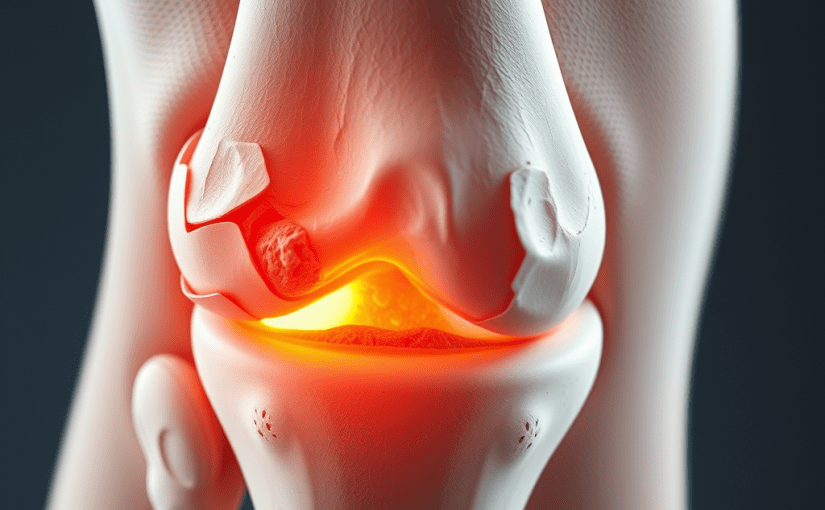
Rheumatoid Arthritis: What You Really Need to Know (And What Your Family Should Understand)

Living with rheumatoid arthritis means waking up with joints so stiff and painful that simple tasks like opening a jar or brushing your teeth become challenges. It’s the exhaustion that goes beyond tired – a bone-deep fatigue that makes you feel like you’re moving through thick fog. It’s planning your life around unpredictable flares, managing a complex medication regimen, and dealing with an immune system that has turned against your own body. Whether you’ve recently been diagnosed, have been managing RA for years, or love someone navigating this autoimmune condition, this guide will give you the complete picture of what rheumatoid arthritis really means.

What Is Rheumatoid Arthritis? (It’s Not Just Joint Pain)

Rheumatoid arthritis (RA) is a chronic autoimmune disease where your body’s immune system mistakenly attacks your own tissues, primarily targeting the synovium – the lining of the membranes that surround your joints. Unlike osteoarthritis, which is mechanical “wear and tear,” RA is your immune system essentially declaring war on your joints.

Think of healthy joints as having a smooth, thin lining that produces lubricating fluid. With RA, your immune system attacks this lining, causing it to become inflamed and thickened. This inflamed tissue then releases enzymes that damage cartilage and bone, leading to joint deformity and disability if left untreated.

But RA isn’t just a joint disease. Because it’s systemic, it can affect:

  • Multiple organ systems throughout the body
  • Blood vessels (causing cardiovascular complications)
  • Lungs (causing scarring or nodules)
  • Eyes (causing dryness or inflammation)
  • Skin (causing nodules or rashes)
  • Heart (increasing cardiovascular risk)

Key Facts:

  • RA affects approximately 1.3 million Americans
  • About 75% of people with RA are women
  • It can develop at any age, but most commonly begins between ages 30-60
  • Early diagnosis and treatment can prevent or slow joint damage
  • It’s completely different from osteoarthritis despite both being called “arthritis”

The Myths vs. Reality: What Rheumatoid Arthritis Actually Is

Myth: “Rheumatoid arthritis is the same as osteoarthritis, just more severe”

Reality: RA and osteoarthritis are completely different diseases with different causes, symptoms, and treatments. RA is autoimmune; osteoarthritis is mechanical wear and tear.

Myth: “Only elderly people get rheumatoid arthritis”

Reality: RA can develop at any age, including in children (juvenile idiopathic arthritis). Many people are diagnosed in their 30s, 40s, and 50s.

Myth: “Rheumatoid arthritis only affects your joints”

Reality: RA is a systemic disease that can affect organs throughout the body, including the heart, lungs, eyes, and blood vessels.

Myth: “If you have rheumatoid arthritis, you’ll end up in a wheelchair”

Reality: With modern treatments, most people with RA can maintain active, independent lives. Early, aggressive treatment can prevent severe joint damage.

Myth: “Rheumatoid arthritis is caused by diet or lifestyle”

Reality: RA is an autoimmune condition likely triggered by a combination of genetic susceptibility and environmental factors. It’s not caused by poor diet or lifestyle choices.

Myth: “People with RA should avoid exercise”

Reality: Regular, appropriate exercise is crucial for maintaining joint function and overall health in people with RA.

Myth: “Natural remedies can cure rheumatoid arthritis”

Reality: While some complementary therapies may help with symptoms, RA requires medical treatment to prevent joint damage. There is no cure, but the disease can be controlled.

What Rheumatoid Arthritis Symptoms Actually Feel Like

The textbook symptoms include joint pain, swelling, and morning stiffness. But here’s what those symptoms actually feel like in daily life:

Morning stiffness: Imagine waking up feeling like your joints have been encased in concrete overnight. This isn’t the brief stiffness of osteoarthritis – it can last hours. Your hands might be so stiff you can’t make a fist, your knees so rigid you can’t bend them to get out of bed.

Joint pain and swelling: The pain is often described as deep, aching, and throbbing. Unlike osteoarthritis pain that worsens with activity, RA pain may actually improve with gentle movement. Joints become visibly swollen, warm to the touch, and tender.

Symmetrical joint involvement: RA typically affects the same joints on both sides of your body. If your right wrist hurts, your left probably does too. This symmetrical pattern helps distinguish RA from other types of arthritis.

Fatigue: This isn’t just being tired – it’s profound exhaustion that feels like your energy has been completely drained. You might feel like you need a nap after simple activities like taking a shower or making breakfast.

Flu-like symptoms: During flares, you might feel like you’re coming down with the flu – achy, weak, and generally unwell, even without fever.

Joint deformity: In advanced or poorly controlled RA, joints can become permanently deformed. Fingers might drift toward the pinky side, or develop swan-neck or boutonniere deformities.

Rheumatoid nodules: Firm lumps under the skin, usually near joints, that develop in about 20% of people with RA.

Systemic symptoms: Dry eyes and mouth, lung problems, heart complications, or blood vessel inflammation.

How Rheumatoid Arthritis Is Diagnosed

RA diagnosis involves multiple components since no single test definitively diagnoses the condition.

Clinical Assessment

Physical examination: Checking for:

  • Joint swelling, warmth, and tenderness
  • Range of motion limitations
  • Symmetrical joint involvement
  • Rheumatoid nodules
  • Overall health assessment

Medical history: Including:

  • Pattern and timing of symptoms
  • Family history of autoimmune diseases
  • Response to previous treatments
  • Impact on daily activities

Laboratory Tests

Rheumatoid Factor (RF): Antibodies present in about 70-80% of people with RA

Anti-CCP (Anti-Cyclic Citrullinated Peptide) antibodies: More specific for RA than RF, present in about 60-70% of people with RA

Inflammatory markers:

  • ESR (Erythrocyte Sedimentation Rate): Measures inflammation
  • CRP (C-Reactive Protein): Another inflammation marker

Complete Blood Count: To check for anemia or other blood abnormalities

Comprehensive Metabolic Panel: To assess overall health and organ function

Imaging Studies

X-rays: Show joint damage, but changes may not appear until disease has progressed

Ultrasound: Can detect inflammation and early joint damage before it’s visible on X-rays

MRI: Provides detailed images of soft tissues and can detect very early joint changes

Diagnostic Criteria

The American College of Rheumatology/European League Against Rheumatism uses a point system based on:

  • Joint involvement (which and how many joints)
  • Blood test results (RF and anti-CCP)
  • Inflammatory markers (ESR and CRP)
  • Duration of symptoms (more or less than 6 weeks)

A score of 6 or higher indicates definite RA.

Daily Life with Rheumatoid Arthritis: What Management Really Looks Like

Living with RA means balancing medication management, symptom monitoring, and lifestyle adaptations while trying to maintain as normal a life as possible.

Medication Management

Disease-Modifying Antirheumatic Drugs (DMARDs): The cornerstone of RA treatment

  • Traditional DMARDs like methotrexate, sulfasalazine, hydroxychloroquine
  • Biologic DMARDs like adalimumab (Humira), etanercept (Enbrel), infliximab (Remicade)
  • JAK inhibitors like tofacitinib (Xeljanz), baricitinib (Olumiant)

Corticosteroids: For short-term inflammation control during flares

Pain management: NSAIDs, topical treatments, sometimes low-dose opioids for severe pain

Medication monitoring: Regular blood tests to monitor for side effects and adjust dosing

Morning Routine Adaptations

  • Taking medications at consistent times
  • Gentle stretching or movement to reduce stiffness
  • Warm shower or bath to loosen joints
  • Using assistive devices for daily tasks
  • Planning extra time for morning activities

Activity and Exercise Management

Low-impact aerobic exercise: Swimming, walking, cycling to maintain cardiovascular health

Range of motion exercises: Daily gentle stretching to maintain joint flexibility

Strength training: Building muscle to support and protect joints

Balance training: Preventing falls, especially important if joints are unstable

Rest during flares: Knowing when to reduce activity to prevent worsening inflammation

Work and Career Considerations

  • Discussing accommodations with employers (ergonomic equipment, flexible scheduling)
  • Managing fatigue that can affect concentration and productivity
  • Planning around medical appointments and infusion schedules
  • Understanding disability rights and protections

Social and Emotional Management

  • Communicating needs clearly to family and friends
  • Dealing with the unpredictability of flares
  • Managing anxiety about disease progression
  • Maintaining social connections despite limitations

Treatment Options: A Comprehensive Approach

RA treatment has evolved dramatically over the past few decades, with the goal of achieving remission or low disease activity.

Disease-Modifying Antirheumatic Drugs (DMARDs)

Traditional (Conventional) DMARDs:

  • Methotrexate: The gold standard first-line treatment, taken weekly
  • Sulfasalazine: Often used in combination with other DMARDs
  • Hydroxychloroquine: Originally an antimalarial drug, mild DMARD option
  • Leflunomide: Alternative for people who can’t take methotrexate

Biologic DMARDs: Target specific parts of the immune system

  • TNF inhibitors: Adalimumab (Humira), etanercept (Enbrel), infliximab (Remicade)
  • IL-6 inhibitors: Tocilizumab (Actemra), sarilumab (Kevzara)
  • B-cell depletion: Rituximab (Rituxan)
  • T-cell costimulation blocker: Abatacept (Orencia)

JAK (Janus Kinase) Inhibitors: Newer oral medications

  • Tofacitinib (Xeljanz), baricitinib (Olumiant), upadacitinib (Rinvoq)

Supportive Treatments

Corticosteroids: Prednisone for short-term inflammation control

NSAIDs: For pain and inflammation relief

Physical therapy: To maintain joint function and muscle strength

Occupational therapy: To learn joint protection techniques and use assistive devices

Monitoring and Follow-up

Regular blood tests: Monitoring for medication side effects and disease activity

Disease activity assessments: Using standardized measures to track progress

Imaging studies: Periodic X-rays or other imaging to monitor joint damage

Screening for complications: Regular eye exams, cardiovascular assessments, bone density tests

Surgical Options

When medication and conservative treatments aren’t sufficient:

Synovectomy: Removing inflamed joint lining

Joint fusion: Fusing bones together for stability

Joint replacement: Total replacement of severely damaged joints

Tendon repair: Fixing tendons damaged by RA

Potential Complications: Why Early Treatment Matters

RA can cause serious complications if not properly treated, which is why early, aggressive treatment is crucial.

Joint-Related Complications

Progressive joint damage: Cartilage and bone destruction leading to deformity and disability

Joint instability: Ligament and tendon damage causing joints to become unstable

Reduced range of motion: Permanent limitation in joint movement

Cervical spine involvement: Potentially dangerous instability in the neck

Systemic Complications

Cardiovascular disease: RA doubles the risk of heart attack and stroke

Lung problems:

  • Interstitial lung disease (scarring)
  • Pleural effusions (fluid around lungs)
  • Rheumatoid nodules in lungs

Eye complications:

  • Sjögren’s syndrome (dry eyes and mouth)
  • Scleritis (inflammation of the white of the eye)
  • Increased glaucoma risk

Skin manifestations:

  • Rheumatoid nodules
  • Vasculitis (blood vessel inflammation)
  • Increased infection risk

Bone problems:

  • Osteoporosis from inflammation and steroid use
  • Increased fracture risk

Medication-Related Complications

Infection risk: Immunosuppressive medications increase susceptibility to infections

Liver toxicity: Regular monitoring required for drugs like methotrexate

Blood count changes: Some medications can affect white blood cells or platelets

Cancer risk: Small increased risk with some biologic medications

For Family and Friends: How to Really Help

What TO Do:

Understand the autoimmune nature: RA isn’t just joint pain – it’s a systemic disease that affects the whole body

Learn about flares: Understand that symptoms can change rapidly and unpredictably

Be flexible with plans: RA symptoms can worsen suddenly, requiring plan changes

Offer practical support: Help with tasks that stress painful joints during flares

Support medication adherence: Understand that medications are necessary to prevent joint damage

Encourage appropriate activity: Support their exercise routine and physical therapy

Be patient with fatigue: Understand that RA fatigue is different from normal tiredness

What NOT to Do:

Don’t suggest stopping medications: “Natural” alternatives cannot replace DMARDs for preventing joint damage

Don’t minimize systemic symptoms: Understand that RA affects more than just joints

Don’t take mood changes personally: Chronic pain and medication side effects can affect emotions

Don’t assume they can’t do things: Ask what they’re capable of rather than taking over

Don’t compare to osteoarthritis: These are completely different conditions

Don’t suggest it’s “just stress”: While stress can worsen symptoms, RA is a medical condition requiring treatment

Understanding Disease Activity

Recognize flare signs: Increased joint swelling, pain, stiffness, and fatigue

Know when to seek help: Fever with flare symptoms may indicate infection

Support medication schedules: Help remember injection dates or infusion appointments

Understand good days and bad days: Symptoms can vary significantly from day to day

Living Well with Rheumatoid Arthritis: Real Strategies

Having RA means learning to manage a complex, chronic condition while maintaining as much normalcy as possible.

Early treatment is crucial: Starting DMARDs quickly can prevent irreversible joint damage

Medication compliance matters: Skipping doses can lead to flares and progressive damage

Regular monitoring is essential: Blood tests and check-ups help catch problems early

Exercise is medicine: Regular, appropriate activity helps maintain joint function and overall health

Stress management helps: Stress can trigger flares, so developing coping strategies is important

Sleep quality affects symptoms: Poor sleep can worsen pain and fatigue

Community support is valuable: Connecting with others who understand RA provides emotional support

Self-advocacy is necessary: Learning to communicate effectively with healthcare providers

Flexibility is key: Adapting plans and expectations based on disease activity

Hope is realistic: With modern treatments, most people with RA can live full, active lives

Frequently Asked Questions

Will I need to take medication for the rest of my life? Most people with RA require ongoing medication to prevent joint damage. Some may achieve drug-free remission, but this is uncommon and requires careful medical supervision.

Can RA go into remission? Yes! With modern treatments, many people achieve remission (minimal or no disease activity). However, this usually requires continuing medication.

Will I be able to have children with RA? Yes, most people with RA can have healthy pregnancies. Some medications need to be adjusted, so planning with your rheumatologist is important.

Is RA hereditary? There’s a genetic component, but having a family member with RA doesn’t mean you’ll definitely develop it. Multiple factors contribute to RA development.

Can diet affect my RA? While no specific diet cures RA, anti-inflammatory diets may help with overall health. Some people find certain foods trigger symptoms.

How quickly does RA progress? With early, appropriate treatment, joint damage can often be prevented or significantly slowed. Untreated RA typically progresses more rapidly.

Resources and Support

Arthritis Foundation: arthritis.org – Comprehensive RA information and local support resources

American College of Rheumatology: rheumatology.org – Professional medical information and provider directory

CreakyJoints: creakyjoints.org – Patient-centered arthritis information and community

Rheumatoid Patient Foundation: rheum4us.org – RA-specific patient advocacy and education

RA Warrior: rawarrior.com – Patient perspective blog and resources

Local support groups: Many hospitals and arthritis foundations offer RA support groups

Online communities: Facebook groups, Reddit communities for peer support

Apps for management: ArthritisPower, MyRA, RheumaTrack for tracking symptoms and medications

Financial assistance programs: Many pharmaceutical companies offer patient assistance programs for expensive RA medications

The Bottom Line

Rheumatoid arthritis is a serious autoimmune condition that requires prompt, ongoing medical treatment to prevent joint damage and complications. While there’s no cure, modern treatments can control the disease effectively, allowing most people with RA to live full, active lives.

If you’ve been recently diagnosed, know that RA treatment has improved dramatically over the past few decades. Early, aggressive treatment can prevent the joint deformities and disabilities that were once common with RA. If you’re supporting someone with RA, your understanding of the systemic nature of this disease and the importance of consistent treatment makes an enormous difference.

The RA community often emphasizes that “you’re stronger than you think” – managing an autoimmune condition requires tremendous resilience, but with proper treatment and support, people with RA continue to pursue their dreams, careers, and relationships successfully.

Remember: This information is educational and should not replace advice from your healthcare provider. Always consult with your rheumatologist for personalized RA management plans.


Living with rheumatoid arthritis or supporting someone who is? Share your experiences and helpful strategies in the comments below. Your insights might help others navigating this autoimmune journey.

Osteoarthritis: What You Really Need to Know (And What Your Family Should Understand)

Living with osteoarthritis means your joints hurt – not just occasionally, but often daily. It’s the aching knees when you climb stairs, the stiff fingers when you try to open a jar, the lower back pain that makes getting out of bed a careful process. It’s planning your day around your worst joints and learning to pace yourself in ways you never had to before. Whether you’ve recently been diagnosed, have been managing osteoarthritis for years, or love someone dealing with joint pain, this guide will give you the complete picture of what this “wear and tear” arthritis really means.

What Is Osteoarthritis? (Beyond “Wear and Tear”)

Osteoarthritis (OA) is the most common form of arthritis, affecting over 32.5 million adults in the United States. It occurs when the protective cartilage that cushions the ends of your bones gradually wears down over time. But calling it simply “wear and tear” doesn’t capture the full picture.

Think of healthy cartilage as a smooth, slippery surface that allows your bones to glide effortlessly against each other. With osteoarthritis, this cartilage becomes rough, breaks down, and eventually may wear away completely. When this happens, bone rubs against bone, causing pain, swelling, and reduced motion in the joint.

But osteoarthritis isn’t just about cartilage loss. It affects the entire joint, including:

  • The bones underneath the cartilage
  • The joint lining (synovium)
  • The ligaments and muscles around the joint
  • The fluid that lubricates the joint

Key Facts:

  • Osteoarthritis is the leading cause of disability in the United States
  • It most commonly affects knees, hips, hands, and spine
  • Risk increases with age, but it’s not an inevitable part of aging
  • It affects women more than men, especially after menopause
  • Unlike rheumatoid arthritis, it’s not an autoimmune condition

The Myths vs. Reality: What Osteoarthritis Actually Is

Myth: “Osteoarthritis is just a normal part of getting older”

Reality: While age increases risk, osteoarthritis is a disease, not an inevitable consequence of aging. Many older adults never develop it, and some younger people do.

Myth: “If you have osteoarthritis, you should avoid exercise”

Reality: Exercise is one of the most effective treatments for osteoarthritis. The right types of physical activity can reduce pain and improve function.

Myth: “Nothing can be done for osteoarthritis except pain medication”

Reality: There are many effective treatments including physical therapy, weight management, injections, assistive devices, and surgery when appropriate.

Myth: “Osteoarthritis only affects your joints”

Reality: Chronic joint pain can affect sleep, mood, energy levels, and overall quality of life. It’s a whole-body experience.

Myth: “Cracking your knuckles causes arthritis”

Reality: Studies show no link between knuckle cracking and osteoarthritis development.

Myth: “Rainy weather makes arthritis worse”

Reality: While many people report increased pain with weather changes, scientific evidence is mixed. The relationship is complex and varies by individual.

What Osteoarthritis Symptoms Actually Feel Like

The textbook symptoms include joint pain, stiffness, and reduced range of motion. But here’s what those symptoms actually feel like in daily life:

Joint pain: This isn’t just discomfort – it can be a deep, aching pain that’s worse with movement and activity. In weight-bearing joints like knees and hips, it might feel like a constant dull ache with sharp pains when you move wrong. In hands, it might be a burning or aching sensation when gripping objects.

Morning stiffness: Unlike rheumatoid arthritis where stiffness lasts hours, osteoarthritis stiffness is typically brief – usually less than 30 minutes. It feels like your joints need to “warm up” before they work properly.

Stiffness after sitting: The “gel phenomenon” – your joints stiffen up after sitting still for a while, like when getting up from a movie theater seat or out of a car after a long drive.

Reduced range of motion: Your knee might not bend as far as it used to, making it hard to tie your shoes. Your shoulder might not reach as high, making it difficult to get items from high shelves.

Joint grinding or clicking: You might hear or feel creaking, grinding, or clicking sounds when you move the joint. This is called crepitus and is caused by rough cartilage surfaces.

Joint enlargement: Fingers might develop bony enlargements at the joints, making rings tight or impossible to wear.

Pain that worsens throughout the day: Unlike inflammatory arthritis, osteoarthritis pain typically gets worse with activity and improves with rest.

How Osteoarthritis Is Diagnosed

Physical Examination

Your doctor will:

  • Check for joint tenderness, swelling, and range of motion
  • Look for bony enlargements or deformities
  • Test joint stability and function
  • Observe how you walk and move

Medical History

Important factors include:

  • Pattern of joint pain and stiffness
  • Activities that worsen or improve symptoms
  • Family history of arthritis
  • Previous joint injuries
  • Overall health and other medical conditions

Imaging Tests

X-rays: The primary tool for diagnosing osteoarthritis

  • Show joint space narrowing (cartilage loss)
  • Reveal bone spurs (osteophytes)
  • Detect changes in bone structure
  • Help rule out other conditions

MRI scans: May be used to:

  • Get detailed images of cartilage, ligaments, and other soft tissues
  • Evaluate the extent of joint damage
  • Plan for potential surgery

Laboratory Tests

Unlike rheumatoid arthritis, there are no specific blood tests for osteoarthritis. Blood tests may be done to rule out other types of arthritis or inflammatory conditions.

Daily Life with Osteoarthritis: What Management Really Looks Like

Living with osteoarthritis means adapting how you do everyday activities and learning to work with your joints rather than against them.

Morning Routines

  • Taking a warm shower to loosen stiff joints
  • Gentle stretching or movement before getting out of bed
  • Planning extra time for morning activities when joints are stiffest
  • Using assistive devices like jar openers or button hooks for hand arthritis

Activity Modification

  • Breaking large tasks into smaller, manageable parts
  • Alternating between activity and rest throughout the day
  • Using proper body mechanics to protect joints
  • Choosing low-impact activities over high-impact ones

Pain Management Strategies

  • Applying heat before activity to warm up joints
  • Using ice after activity to reduce inflammation
  • Taking medications as prescribed by your doctor
  • Using topical creams or gels for localized relief

Home Modifications

  • Installing grab bars in bathrooms
  • Using ergonomic tools and kitchen utensils
  • Adding cushioned seats or back supports
  • Organizing frequently used items at accessible heights

Work Adaptations

  • Using ergonomic keyboards and mouse pads for hand/wrist arthritis
  • Taking frequent breaks to move and stretch
  • Adjusting desk height and chair position
  • Discussing accommodations with employers when necessary

Treatment Options: A Comprehensive Approach

Osteoarthritis treatment focuses on managing pain, maintaining joint function, and slowing disease progression.

Non-Medication Treatments

Physical Therapy:

  • Exercises to strengthen muscles around affected joints
  • Range of motion exercises to maintain flexibility
  • Balance and coordination training
  • Education on proper body mechanics

Weight Management:

  • Even modest weight loss can significantly reduce joint stress
  • Every pound lost removes 4 pounds of pressure from knee joints
  • Combination of diet modification and appropriate exercise

Exercise Programs:

  • Low-impact aerobic activities (swimming, cycling, walking)
  • Strength training to support joint function
  • Flexibility and stretching exercises
  • Tai chi or yoga for balance and gentle movement

Heat and Cold Therapy:

  • Warm baths or heating pads before activity
  • Ice packs after activity or during flare-ups
  • Paraffin baths for hand arthritis

Assistive Devices:

  • Canes or walkers to reduce joint stress
  • Braces or splints to support unstable joints
  • Ergonomic tools to reduce strain on hands and wrists
  • Shoe inserts or supportive footwear

Medications

Over-the-Counter Pain Relievers:

  • Acetaminophen for mild to moderate pain
  • NSAIDs (ibuprofen, naproxen) for pain and inflammation
  • Topical NSAIDs for localized joint pain

Prescription Medications:

  • Stronger NSAIDs for more severe symptoms
  • Topical prescription creams and gels
  • Muscle relaxants for associated muscle spasms

Injections:

  • Corticosteroid injections for severe inflammation
  • Hyaluronic acid injections for knee osteoarthritis
  • Platelet-rich plasma (PRP) injections (newer treatment)

Surgical Options

When conservative treatments aren’t enough:

Arthroscopy: Minimally invasive surgery to clean out damaged cartilage

Osteotomy: Realigning bones to shift weight away from damaged areas

Joint replacement: Total or partial replacement of severely damaged joints, most commonly hip and knee replacements

Potential Complications and Progression

Physical Complications

Increased fall risk: Joint pain and instability can increase the likelihood of falls

Muscle weakness: Reduced activity due to pain can lead to muscle atrophy around affected joints

Joint deformity: Advanced osteoarthritis can cause visible changes in joint shape

Secondary arthritis: Compensating for one painful joint can lead to problems in other joints

Impact on Daily Life

Sleep disruption: Joint pain can interfere with restful sleep, leading to fatigue and mood changes

Reduced independence: Difficulty with activities of daily living may require assistance or adaptive equipment

Work limitations: Joint pain and stiffness may affect job performance or require workplace modifications

Social isolation: Chronic pain and mobility limitations can lead to withdrawal from social activities

Mental Health Considerations

Depression and anxiety: Chronic pain and functional limitations can significantly impact mental health

Chronic pain syndrome: Long-term pain can affect how the nervous system processes pain signals

Quality of life changes: Adapting to new limitations while maintaining independence and relationships

For Family and Friends: How to Really Help

What TO Do:

Understand the invisible nature: Osteoarthritis pain isn’t always visible. Someone may look fine but be experiencing significant discomfort

Be patient with pace changes: Activities may take longer or need to be modified

Offer specific help: “Can I carry those heavy bags?” instead of general offers

Learn about their condition: Understanding osteoarthritis helps you be more supportive

Encourage appropriate activity: Support their exercise routine and physical therapy

Be flexible with plans: Pain levels can change day to day, affecting ability to participate in activities

Respect their limits: Don’t push them to do more than they’re comfortable with

What NOT to Do:

Don’t dismiss their pain: Phrases like “You’re too young for arthritis” or “It’s just aches and pains” are hurtful

Don’t suggest miracle cures: Be skeptical of “guaranteed” treatments that sound too good to be true

Don’t take mood changes personally: Chronic pain can affect emotional well-being

Don’t assume they can’t do things: Ask before jumping in to help with everything

Don’t make them feel guilty: Avoid comments about activities they can no longer do easily

Don’t compare their arthritis to others: Every person’s experience is unique

Practical Support Strategies

Help with household tasks: Offer to assist with activities that stress painful joints

Provide transportation: Driving can be difficult with severe hand, knee, or hip arthritis

Accompany to appointments: Extra ears during medical visits can be helpful

Research resources: Help find local support groups, physical therapy services, or assistive devices

Create a supportive environment: Remove tripping hazards, provide comfortable seating, keep frequently used items accessible

Living Well with Osteoarthritis: Real Strategies

Having osteoarthritis doesn’t mean your active life is over, but it does mean learning to be smarter about how you move and what you do.

Pacing is everything: Learning to balance activity with rest prevents overexertion and reduces pain flares

Movement is medicine: Regular, appropriate exercise is one of the most effective treatments for osteoarthritis

Weight matters: Maintaining a healthy weight significantly reduces stress on weight-bearing joints

Heat and cold are your friends: Using temperature therapy strategically can provide significant relief

Stress management helps: Chronic pain increases stress, which can worsen pain perception

Sleep quality affects pain: Poor sleep can increase pain sensitivity, while good sleep helps with pain management

Community support matters: Connecting with others who understand chronic joint pain provides valuable emotional support

Technology can help: Apps for tracking symptoms, exercise reminders, and pain management techniques

Professional guidance is key: Working with healthcare providers, physical therapists, and sometimes occupational therapists optimizes treatment

Frequently Asked Questions

Will my osteoarthritis get worse over time? Osteoarthritis is generally progressive, but the rate varies greatly between individuals. With proper management, many people maintain good function for years.

Should I exercise if my joints hurt? Yes, but choose appropriate activities. Low-impact exercises like swimming, cycling, and walking are generally safe and beneficial. Consult with a physical therapist for personalized recommendations.

When should I consider joint replacement surgery? Surgery is typically considered when conservative treatments no longer provide adequate pain relief and joint damage significantly impacts daily activities and quality of life.

Can diet affect my osteoarthritis? While no specific diet cures osteoarthritis, maintaining a healthy weight reduces joint stress. Some people find that anti-inflammatory foods help with overall well-being.

Is osteoarthritis hereditary? There’s a genetic component to osteoarthritis risk, but having family members with the condition doesn’t guarantee you’ll develop it.

Can young people get osteoarthritis? Yes, especially following joint injuries. Post-traumatic osteoarthritis can develop years after injuries to ligaments, meniscus, or cartilage.

Resources and Support

Arthritis Foundation: arthritis.org – Comprehensive arthritis information and local support resources

American College of Rheumatology: rheumatology.org – Professional medical information and provider directory

Osteoarthritis Research Society International: oarsi.org – Latest research and treatment guidelines

National Institute of Arthritis and Musculoskeletal Diseases: niams.nih.gov – Government health information

Local support groups: Many hospitals and community centers offer arthritis support groups

Physical therapy services: Ask your doctor for referrals to qualified physical therapists

Occupational therapy: Can help with adaptive strategies for daily activities

Apps for management: ArthritisPower, My RA, CatchMyPain for tracking symptoms and treatments

The Bottom Line

Osteoarthritis is a common but manageable condition that affects millions of people. While there’s currently no cure, many effective treatments can help manage pain, maintain joint function, and preserve quality of life. The key is early intervention, appropriate treatment, and learning to adapt activities rather than avoiding them entirely.

If you’ve been recently diagnosed, know that having osteoarthritis doesn’t mean you’re destined for disability. With proper management, most people with osteoarthritis continue to live active, fulfilling lives. If you’re supporting someone with osteoarthritis, your understanding and practical help can make a significant difference in their daily comfort and long-term outcomes.

The arthritis community often emphasizes that “motion is lotion” for joints – staying appropriately active, despite some discomfort, is often the best medicine for maintaining joint health and overall well-being.

Remember: This information is educational and should not replace advice from your healthcare provider. Always consult with your doctor or rheumatologist for personalized osteoarthritis management plans.


Living with osteoarthritis or supporting someone who is? Share your experiences and helpful tips in the comments below. Your insights might help others navigating joint pain and stiffness.

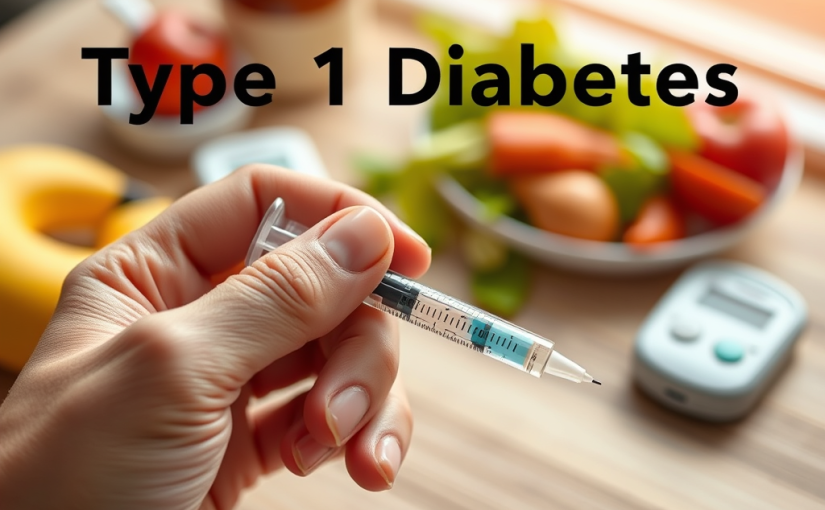
Type 1 Diabetes: What You Really Need to Know (And What Your Family Should Understand)

Living with Type 1 diabetes means your pancreas has stopped producing insulin – period. There’s no “managing it with diet” or “reversing it naturally.” It’s a 24/7 balancing act that requires constant vigilance, multiple daily injections or an insulin pump, and split-second decisions about food, exercise, and medication. Whether you’ve just been diagnosed, have been living with T1D for years, or love someone with Type 1 diabetes, this guide will give you the complete picture of what this autoimmune condition really means.

What Is Type 1 Diabetes? (The Real Story)

Type 1 diabetes is an autoimmune condition where your body’s immune system mistakenly attacks and destroys the beta cells in your pancreas that produce insulin. Without these cells, your body produces little to no insulin, which is essential for survival.

Think of insulin as the key that unlocks your cells so glucose can enter and provide energy. Without insulin, glucose builds up in your blood while your cells literally starve for energy. This is why people with Type 1 diabetes must take insulin every single day – it’s not optional, it’s life-sustaining medication.

Key Facts:

  • Type 1 diabetes affects about 1.9 million Americans, including 244,000 children and adolescents
  • It accounts for 5-10% of all diabetes cases
  • It can be diagnosed at any age, but peaks in childhood and early adulthood
  • It’s completely different from Type 2 diabetes and cannot be prevented or reversed
  • Without insulin, Type 1 diabetes is fatal

The Myths vs. Reality: What Type 1 Diabetes Actually Is

Myth: “Type 1 diabetes is caused by eating too much sugar”

Reality: Type 1 diabetes is an autoimmune condition triggered by a combination of genetic predisposition and environmental factors (possibly viruses). Diet has nothing to do with causing it.

Myth: “Type 1 diabetes only affects children”

Reality: While often diagnosed in childhood (hence the old name “juvenile diabetes”), Type 1 can develop at any age. About 25% of people with Type 1 are diagnosed as adults.

Myth: “People with Type 1 diabetes can’t eat sugar or carbs”

Reality: People with Type 1 diabetes can eat anything, including sweets and carbohydrates. They just need to match their insulin dose to what they’re eating.

Myth: “Type 1 diabetes isn’t as serious because you just take insulin”

Reality: Type 1 diabetes is extremely serious and complex to manage. Taking insulin isn’t like taking a vitamin – it requires precise dosing, timing, and constant monitoring to avoid life-threatening complications.

Myth: “If you take good care of yourself, you won’t have complications”

Reality: While excellent management significantly reduces risk, complications can still occur even with perfect care. The unpredictable nature of Type 1 diabetes means blood sugars can fluctuate despite doing everything right.

Myth: “Insulin cures diabetes”

Reality: Insulin is life-sustaining treatment, not a cure. People with Type 1 diabetes will need insulin for their entire lives unless a cure is found.

What Type 1 Diabetes Symptoms Actually Feel Like

The onset of Type 1 diabetes is often rapid and dramatic, especially in children. Here’s what those textbook symptoms actually feel like:

Extreme thirst (polydipsia): Imagine the most intense thirst you’ve ever experienced after being in the desert or working out hard – then multiply that by ten. No amount of water satisfies it. You might drink gallons of fluid and still feel parched.

Frequent urination (polyuria): You’re urinating every 15-30 minutes, including waking up multiple times at night. The volume is enormous – not just frequent trips, but large amounts each time.

Rapid weight loss: Losing 10-20+ pounds in a matter of weeks despite eating normally or even more than usual. Your clothes suddenly don’t fit, and people comment on how thin you look.

Extreme fatigue: This isn’t normal tiredness. It’s bone-deep exhaustion where you can barely keep your eyes open, struggle to concentrate, and feel like you’re moving through thick fog.

Fruity breath odor: A sweet, nail polish remover-like smell on the breath caused by ketones (a dangerous sign that requires immediate medical attention).

Nausea and vomiting: Especially as ketones build up, leading to diabetic ketoacidosis (DKA), a life-threatening emergency.

Blurred vision: Objects appear fuzzy or out of focus due to glucose affecting the lens of the eye.

Unlike Type 2 diabetes, these symptoms develop quickly – often over days or weeks rather than months or years.

How Type 1 Diabetes Is Diagnosed

Blood Tests:

Random blood glucose: A level over 200 mg/dL with symptoms indicates diabetes.

A1C test: Shows average blood glucose over 2-3 months. An A1C of 6.5% or higher indicates diabetes.

Fasting blood glucose: After not eating for 8+ hours, a level of 126 mg/dL or higher indicates diabetes.

Autoantibody Tests:

These help distinguish Type 1 from Type 2 diabetes by detecting antibodies that attack pancreatic beta cells:

  • GAD antibodies
  • IA-2 antibodies
  • ZnT8 antibodies
  • Insulin autoantibodies

C-peptide Test:

Measures how much insulin your pancreas produces. Low or absent C-peptide confirms Type 1 diabetes.

Ketone Testing:

Checks for ketones in blood or urine. High ketones indicate diabetic ketoacidosis, a medical emergency requiring immediate hospitalization.

Daily Life with Type 1 Diabetes: What Management Really Looks Like

Living with Type 1 diabetes means making complex medical decisions dozens of times every day that most people never have to think about.

Insulin Management

Multiple Daily Injections (MDI): Taking 4-6+ insulin shots daily:

  • Long-acting insulin (once or twice daily) for baseline coverage
  • Rapid-acting insulin before each meal and snack
  • Correction doses when blood sugar is high
  • Learning to rotate injection sites to prevent lipodystrophy

Insulin Pump Therapy: A small device that delivers insulin continuously through a thin tube inserted under the skin:

  • Programming different basal (background) insulin rates for different times of day
  • Calculating and delivering bolus doses for meals
  • Changing infusion sites every 2-3 days
  • Troubleshooting pump malfunctions and having backup supplies

Blood Sugar Monitoring

Traditional Glucose Meters: Pricking fingers 6-10+ times daily:

  • Before each meal and snack
  • 2 hours after eating
  • Before bed
  • Middle of the night (especially for children)
  • Anytime you feel “off” or suspect high/low blood sugar
  • Before, during, and after exercise

Continuous Glucose Monitors (CGMs): Sensors that check glucose every few minutes:

  • Real-time glucose readings on a receiver or smartphone
  • Alerts for high and low blood sugars
  • Trend arrows showing if glucose is rising, falling, or stable
  • Still requires finger stick calibrations and confirmations

Carbohydrate Counting and Dosing

Every meal requires mathematical calculations:

  • Reading nutrition labels and measuring portions precisely
  • Calculating total carbohydrates in the meal
  • Determining insulin-to-carb ratio (varies by person and time of day)
  • Accounting for protein and fat that can affect blood sugar hours later
  • Adjusting for exercise, illness, stress, hormones, and sleep

Exercise Management

Physical activity dramatically affects blood sugar, requiring careful planning:

  • Checking blood sugar before, during, and after exercise
  • Adjusting insulin doses or eating extra carbs to prevent dangerous lows
  • Carrying glucose tablets and emergency supplies during activities
  • Learning how different types of exercise affect your blood sugar differently
  • Managing post-exercise blood sugar spikes or drops hours later

Treatment Options: More Complex Than Just Insulin

Insulin Types and Regimens

Rapid-acting insulin: Humalog, Novolog, Apidra – works within 15 minutes, peaks in 1-2 hours

Short-acting insulin: Regular insulin – works within 30 minutes, peaks in 2-4 hours

Intermediate-acting insulin: NPH – works within 2-4 hours, peaks in 4-12 hours

Long-acting insulin: Lantus, Levemir, Basaglar – provides 24-hour coverage with minimal peaks

Ultra-long-acting insulin: Tresiba, Toujeo – can last over 24 hours for more stable coverage

Delivery Methods

Insulin pens: Pre-filled, convenient, and portable with replaceable needles

Traditional syringes: Drawing insulin from vials, less expensive but less convenient

Insulin pumps: Continuous subcutaneous insulin infusion for precise dosing

Insulin patches and inhalable insulin: Newer options for specific situations

Technology Integration

Continuous Glucose Monitors (CGMs): Real-time glucose monitoring with smartphone integration

Insulin pumps with CGM integration: Semi-automated systems that adjust insulin based on glucose readings

Diabetes management apps: For logging food, insulin, exercise, and blood sugars

Smart insulin pens: Track doses and timing automatically

Other Medications

Pramlintide (Symlin): Injectable medication that slows digestion and helps with post-meal blood sugar spikes

Blood pressure and cholesterol medications: Often prescribed due to increased cardiovascular risk

Glucagon emergency kits: Life-saving medication for severe hypoglycemia

Potential Complications: Why Precision Matters

Type 1 diabetes can affect nearly every organ system, especially when blood sugars run high over time:

Acute Complications

Diabetic Ketoacidosis (DKA): Life-threatening condition when blood sugar and ketones are extremely high. Requires immediate emergency treatment.

Severe Hypoglycemia: Blood sugar drops so low that the person becomes confused, unconscious, or has seizures. Can be fatal without treatment.

Long-term Complications

Cardiovascular disease: Heart attack and stroke risk increases significantly with diabetes.

Diabetic nephropathy: Kidney damage that can progress to kidney failure requiring dialysis or transplant.

Diabetic retinopathy: Eye damage that can lead to vision loss or blindness.

Diabetic neuropathy: Nerve damage causing pain, numbness, or loss of sensation, especially in feet and hands.

Gastroparesis: Delayed stomach emptying that makes blood sugar management extremely difficult.

Skin conditions: Higher risk of infections and slow-healing wounds.

The reality: Even with excellent management, people with Type 1 diabetes face higher risks of complications. However, tight blood sugar control dramatically reduces these risks.

Emergency Situations: What Everyone Should Know

Severe Hypoglycemia (Low Blood Sugar)

Signs: Confusion, slurred speech, loss of coordination, unconsciousness, seizures

Treatment:

  • If conscious: Give 15-20g fast-acting carbs (glucose tablets, juice, regular soda)
  • If unconscious: Give glucagon injection and call 911
  • Never put food or liquid in an unconscious person’s mouth

Diabetic Ketoacidosis (DKA)

Signs: Fruity breath, nausea/vomiting, rapid breathing, extreme thirst, confusion

Treatment: This is a medical emergency requiring immediate hospital treatment. Call 911.

Sick Day Management

The challenge: Illness raises blood sugar and increases ketone production, even when not eating

Key points:

  • Never stop taking insulin, even when vomiting
  • Check blood sugar and ketones more frequently
  • Stay hydrated
  • Contact healthcare provider for guidance
  • Know when to go to the emergency room

For Family and Friends: How to Really Help

What TO Do:

Learn the basics: Understand the difference between high and low blood sugar and how to help in emergencies

Respect their expertise: They know their body and diabetes better than anyone else

Keep emergency supplies: Know where glucose tablets and glucagon are located

Be flexible with timing: Blood sugar management may require schedule adjustments

Ask before helping: “What can I do to help?” rather than taking over

Include them normally: Don’t assume they can’t participate in activities or travel

Support their management: Understand that checking blood sugar and taking insulin isn’t optional

What NOT to Do:

Don’t police their food choices: Comments like “Should you be eating that?” are harmful and inaccurate

Don’t panic during blood sugar episodes: Stay calm and follow their instructions or emergency plans

Don’t suggest “natural remedies”: Type 1 diabetes cannot be cured with diet, herbs, or alternative treatments

Don’t make assumptions about their abilities: People with T1D can do almost anything with proper planning

Don’t take their mood swings personally: Blood sugar fluctuations can affect emotions and thinking

Don’t share horror stories: Every person’s diabetes journey is different

Understanding Blood Sugar Emergencies

Low blood sugar (hypoglycemia): Learn to recognize symptoms and how to treat them

High blood sugar: Understand that this requires insulin, not just avoiding food

When to call 911: Unconsciousness, seizures, persistent vomiting, signs of DKA

Living Well with Type 1 Diabetes: The Reality

Having Type 1 diabetes means living with a complex medical condition that never takes a break. There are no “diabetes vacations” – it requires 24/7 management and attention.

The mental health impact is significant: Diabetes burnout, anxiety about complications, and the stress of constant management are real and valid challenges.

Technology helps, but it’s not perfect: CGMs and pumps make management easier but don’t eliminate the daily burden of decision-making.

Every day is different: What works today might not work tomorrow. Hormones, stress, illness, weather, and countless other factors affect blood sugar.

The diabetes community is invaluable: Connecting with others who understand the daily reality provides support that family and friends, despite their best efforts, cannot fully provide.

People with T1D live full, successful lives: With proper management, people with Type 1 diabetes become doctors, athletes, parents, teachers, and everything else they dream of being.

It’s okay to struggle: Some days are harder than others, and that doesn’t mean you’re failing at diabetes management.

Frequently Asked Questions

Will there be a cure for Type 1 diabetes? Research is ongoing with promising developments in beta cell replacement, immunotherapy, and artificial pancreas technology. However, there’s no definitive timeline for a cure.

Can people with Type 1 diabetes have children? Yes! With proper planning and management, people with Type 1 diabetes can have healthy pregnancies and children.

How long do people with Type 1 diabetes live? With modern management, people with Type 1 diabetes can live nearly as long as those without diabetes. Life expectancy continues to improve with advancing technology and treatment options.

Is Type 1 diabetes hereditary? There’s a genetic component, but it’s complex. Having a parent with Type 1 diabetes increases risk, but most people with Type 1 don’t have family members with the condition.

Can you develop Type 1 diabetes as an adult? Yes! About 25% of Type 1 diagnoses occur in adults. This is sometimes called LADA (Latent Autoimmune Diabetes in Adults) when it develops more slowly.

Do people with Type 1 diabetes need to follow a special diet? No special diet is required, but understanding how different foods affect blood sugar helps with insulin dosing. Many people with T1D follow flexible eating plans that allow for variety while maintaining good blood sugar control.

Resources and Support

Juvenile Diabetes Research Foundation (JDRF): jdrf.org – Leading Type 1 diabetes research and advocacy organization

American Diabetes Association: diabetes.org – Comprehensive diabetes information and resources

Type 1 Diabetes Exchange: t1dexchange.org – Research registry and online community

Diabetes Online Community: #DOC on social media platforms for peer support

Local support groups: Many hospitals and diabetes centers offer in-person support groups

Diabetes camps: Summer camps specifically for children and teens with Type 1 diabetes

Apps for management: MySugr, Glucose Buddy, Diabetes:M, Carb Manager

Emergency ID: Medical alert bracelets or apps that provide critical information to first responders

The Bottom Line

Type 1 diabetes is a serious, complex autoimmune condition that requires intensive daily management. It’s not caused by lifestyle choices, cannot be reversed with diet, and requires lifelong insulin therapy. However, with proper education, support, and access to technology and supplies, people with Type 1 diabetes can live full, healthy, successful lives.

If you’ve been recently diagnosed, know that the learning curve is steep and overwhelming at first, but it gets easier with time and practice. If you’re supporting someone with Type 1 diabetes, your understanding and practical help make an enormous difference. And if you’ve been living with Type 1 diabetes for years, remember that you’re managing something incredibly complex every single day – give yourself credit for the tremendous effort that requires.

The diabetes community often says “Type 1 diabetes makes you stronger than you know you can be” – and while no one would choose this condition, the resilience, problem-solving skills, and appreciation for life that often develop are remarkable.

Remember: This information is educational and should not replace advice from your healthcare provider. Always consult with your endocrinologist or diabetes care team for personalized Type 1 diabetes management plans.


Living with Type 1 diabetes or supporting someone who is? Share your experiences and tips in the comments below. Your insights might help others navigating this journey.

Fibromyalgia: What You Really Need to Know (And What Your Family Should Understand)

Living with fibromyalgia means your body hurts in ways that are hard to explain. It’s widespread pain that moves around your body, exhaustion that sleep doesn’t fix, and a brain that sometimes feels wrapped in cotton. It’s looking perfectly healthy on the outside while feeling like you’ve been hit by a truck on the inside. It’s having to cancel plans because your body decided today is a flare day, and it’s the frustration of people not understanding an invisible illness. Whether you’ve recently been diagnosed, have been managing fibromyalgia for years, or love someone navigating this complex condition, this guide will give you the complete picture of what fibromyalgia really means.

What Is Fibromyalgia? (Beyond “It’s All in Your Head”)

Fibromyalgia is a chronic disorder characterized by widespread musculoskeletal pain, fatigue, and tenderness in localized areas called tender points or trigger points. But this clinical definition doesn’t capture the full reality of living with a condition that affects how your central nervous system processes pain signals.

Think of fibromyalgia as having a faulty pain amplifier in your brain and spinal cord. Normal sensations that shouldn’t hurt – like light touch, gentle pressure, or even clothing against your skin – can register as painful. Your pain processing system is stuck on “high volume,” making everything feel more intense than it should.

Fibromyalgia isn’t just about pain. It’s a complex syndrome that can affect:

  • Pain processing and sensitivity
  • Sleep patterns and quality
  • Cognitive function (“fibro fog”)
  • Energy levels and fatigue
  • Mood and emotional well-being
  • Digestive function
  • Temperature regulation

Key Facts:

  • Fibromyalgia affects an estimated 4 million adults in the United States
  • About 80-90% of people diagnosed are women, typically between ages 20-50
  • It’s not progressive or life-threatening, but it is chronic
  • There’s no cure, but symptoms can be managed effectively
  • It often coexists with other conditions like depression, anxiety, and irritable bowel syndrome

The Myths vs. Reality: What Fibromyalgia Actually Is

Myth: “Fibromyalgia isn’t a real medical condition”

Reality: Fibromyalgia is a legitimate medical condition recognized by major medical organizations worldwide, including the American College of Rheumatology and the World Health Organization.

Myth: “It’s all in your head” or “It’s just depression”

Reality: While fibromyalgia can coexist with depression and anxiety, it’s a distinct neurological condition with measurable changes in how the brain processes pain signals.

Myth: “People with fibromyalgia are just lazy or seeking attention”

Reality: Fibromyalgia is a debilitating condition that significantly impacts daily functioning. People with fibromyalgia often push through severe symptoms to maintain normal activities.

Myth: “Fibromyalgia only affects middle-aged women”

Reality: While more common in women, fibromyalgia can affect men, children, and people of all ages and ethnicities.

Myth: “If you look healthy, you must be fine”

Reality: Fibromyalgia is an invisible illness. People may appear completely normal while experiencing severe pain, fatigue, and other debilitating symptoms.

Myth: “Exercise will make fibromyalgia worse”

Reality: While the wrong type or amount of exercise can trigger flares, appropriate gentle exercise is one of the most effective treatments for fibromyalgia.

Myth: “There’s nothing you can do for fibromyalgia”

Reality: While there’s no cure, many treatments can significantly improve symptoms and quality of life.

What Fibromyalgia Symptoms Actually Feel Like

The textbook symptoms include widespread pain, fatigue, and tender points. But here’s what those symptoms actually feel like in daily life:

Widespread pain: Imagine having the flu, but the aching never goes away. The pain can feel like deep muscle aches, burning sensations, stabbing pains, or electric shocks. It moves around your body – your neck might hurt in the morning, your legs by afternoon, and your back by evening.

Allodynia (pain from light touch): Normal touches that shouldn’t hurt become painful. A gentle hug might feel like being squeezed too hard. Clothing seams, tags, or even a light breeze can cause discomfort.

Hyperalgesia (increased pain sensitivity): When something actually is painful, it hurts much more than it should. A small bump or minor injury can cause disproportionate pain that lasts much longer than expected.

Chronic fatigue: This isn’t just being tired after a long day. It’s bone-deep exhaustion that makes thinking clearly difficult and simple tasks feel overwhelming. You might feel tired even after sleeping 10+ hours.

“Fibro fog” (cognitive dysfunction): Difficulty concentrating, memory problems, and feeling mentally “cloudy.” You might forget common words mid-sentence, lose your train of thought, or struggle to process information that would normally be easy.

Sleep disturbances: Even when you sleep for hours, you wake up feeling unrefreshed. Your sleep is often light and easily disrupted, preventing the deep, restorative sleep your body needs.

Stiffness: Especially severe in the morning or after sitting still, feeling like your joints and muscles need to be “warmed up” before they work properly.

Headaches: Frequent tension-type headaches or migraines that may be triggered by neck and shoulder muscle tension.

Temperature sensitivity: Feeling unusually cold or hot, or having difficulty regulating body temperature in different environments.

How Fibromyalgia Is Diagnosed

Fibromyalgia diagnosis is challenging because there’s no specific test for it. Diagnosis relies on clinical criteria and ruling out other conditions.

Current Diagnostic Criteria (2016 Revision)

The American College of Rheumatology criteria include:

Widespread Pain Index (WPI): Pain in at least 7 of 19 specific body regions

Symptom Severity Scale (SSS): Rating the severity of fatigue, waking unrefreshed, and cognitive symptoms, plus the extent of somatic symptoms

Symptom duration: Symptoms present at a similar level for at least 3 months

No other disorder: That would otherwise explain the pain

The Diagnostic Process

Medical history: Detailed discussion of symptoms, their onset, and impact on daily life

Physical examination: Checking for tender points and ruling out other conditions

Laboratory tests: Blood work to exclude other conditions like:

  • Rheumatoid arthritis
  • Lupus
  • Thyroid disorders
  • Vitamin deficiencies

Imaging studies: X-rays or MRIs may be done to rule out structural problems, but won’t show fibromyalgia itself

Sleep studies: Sometimes conducted if sleep disorders are suspected

The Challenge of Diagnosis

  • Average time to diagnosis is 2-3 years
  • Many people see multiple doctors before getting a diagnosis
  • Symptoms can be mistaken for other conditions
  • Some healthcare providers are still unfamiliar with fibromyalgia

Daily Life with Fibromyalgia: What Management Really Looks Like

Living with fibromyalgia means learning to navigate unpredictable symptoms and finding ways to manage daily activities within your body’s limitations.

Managing Energy and Pacing

Spoon theory: Many people with fibromyalgia use the “spoon theory” to explain energy management – you start each day with a limited number of “spoons” (energy units), and every activity costs spoons.

Pacing activities: Breaking large tasks into smaller parts and alternating activity with rest to prevent exhaustion

Planning around good and bad days: Learning to recognize your body’s patterns and planning accordingly

Energy conservation: Organizing your environment and routines to minimize energy expenditure

Sleep Management

Sleep hygiene: Creating optimal conditions for restorative sleep

  • Consistent bedtime and wake time
  • Cool, dark, quiet sleeping environment
  • Limiting screens before bedtime
  • Comfortable mattress and pillows

Managing sleep disruptions: Dealing with frequent waking, restless legs, or pain that interferes with sleep

Nap strategies: Short naps (20-30 minutes) that don’t interfere with nighttime sleep

Pain Management Strategies

Heat therapy: Warm baths, heating pads, or heated pools to ease muscle tension and pain

Gentle massage: Light pressure massage or self-massage techniques

Stress management: Since stress can worsen symptoms, techniques like meditation, deep breathing, or counseling are crucial

Activity modification: Learning to do necessary tasks in ways that minimize pain and fatigue

Cognitive Management (“Fibro Fog”)

Memory aids: Using calendars, lists, phone reminders, and notes to compensate for memory issues

Mental breaks: Taking regular breaks from mentally demanding tasks

Simplifying decisions: Reducing decision fatigue by planning ahead and creating routines

Communication strategies: Being honest with others about cognitive difficulties

Treatment Options: A Multi-Modal Approach

Fibromyalgia treatment typically involves a combination of medications, lifestyle changes, and supportive therapies.

Medications

FDA-Approved Medications:

  • Pregabalin (Lyrica): Anti-seizure medication that reduces nerve pain
  • Duloxetine (Cymbalta): Antidepressant that affects pain processing
  • Milnacipran (Savella): Antidepressant specifically approved for fibromyalgia

Other Commonly Used Medications:

  • Gabapentin: Similar to pregabalin for nerve pain
  • Tricyclic antidepressants: Like amitriptyline for pain and sleep
  • Muscle relaxants: For muscle tension and spasms
  • Sleep aids: To improve sleep quality

Pain Medications:

  • Over-the-counter pain relievers may provide limited relief
  • Opioids are generally not recommended as they can worsen fibromyalgia symptoms
  • Topical pain relievers for localized pain

Non-Medication Treatments

Exercise and Physical Activity:

  • Low-impact aerobic exercise (walking, swimming, cycling)
  • Gentle strength training to maintain muscle mass
  • Flexibility and stretching exercises
  • Tai chi, qigong, or gentle yoga
  • Aquatic therapy in warm water

Cognitive Behavioral Therapy (CBT):

  • Learning coping strategies for chronic pain
  • Addressing negative thought patterns
  • Developing pain management skills
  • Improving sleep habits

Stress Management:

  • Meditation and mindfulness practices
  • Progressive muscle relaxation
  • Biofeedback training
  • Counseling or therapy

Complementary Therapies:

  • Acupuncture for pain relief
  • Massage therapy (gentle techniques)
  • Chiropractic care
  • Nutritional counseling

Lifestyle Modifications

Diet and Nutrition:

  • Anti-inflammatory diet rich in fruits, vegetables, and omega-3 fatty acids
  • Limiting processed foods, sugar, and caffeine
  • Staying well-hydrated
  • Some people benefit from eliminating certain foods (gluten, artificial additives)

Work and Environment:

  • Ergonomic workspace setup
  • Flexible work arrangements when possible
  • Temperature control (avoiding extremes)
  • Reducing environmental stressors

Potential Complications and Coexisting Conditions

Common Coexisting Conditions

Depression and anxiety: Chronic pain and fatigue can significantly impact mental health

Irritable bowel syndrome (IBS): Digestive issues are common in people with fibromyalgia

Migraine and tension headaches: Frequent headaches often accompany fibromyalgia

Temporomandibular joint disorder (TMJ): Jaw pain and dysfunction

Restless leg syndrome: Uncomfortable sensations in the legs, especially at night

Sleep disorders: Sleep apnea, insomnia, or other sleep disruptions

Chronic fatigue syndrome: Some people have both conditions simultaneously

Impact on Daily Life

Work challenges: Difficulty maintaining consistent work performance due to unpredictable symptoms

Relationship strain: Chronic illness can affect personal relationships and social interactions

Financial impact: Medical costs and potential reduced earning capacity

Independence concerns: Severe symptoms may affect ability to perform daily activities

Social isolation: Invisible illness can lead to misunderstanding and withdrawal from social activities

For Family and Friends: How to Really Help

What TO Do:

Believe and validate: Accept that their pain and fatigue are real, even when they look fine

Learn about fibromyalgia: Understanding the condition helps you be more supportive

Be flexible with plans: Symptoms can change rapidly, requiring last-minute cancellations or modifications

Offer specific help: “Can I pick up groceries?” instead of “Let me know if you need anything”

Support their treatment: Encourage medication compliance, exercise, and other treatments

Be patient with limitations: Understand that they may need more time or help with tasks

Listen without trying to fix: Sometimes they just need someone to understand their experience

What NOT to Do:

Don’t suggest they’re exaggerating: Comments like “But you look fine” or “It can’t be that bad” are hurtful

Don’t offer unsolicited advice: Avoid suggesting miracle cures or treatments you’ve heard about

Don’t take symptoms personally: Bad days aren’t about you, and mood changes may be symptom-related

Don’t compare to other people: Every person’s fibromyalgia experience is unique

Don’t push them to “push through”: This can worsen symptoms and lead to longer recovery times

Don’t assume they can’t do anything: Ask what they’re capable of rather than assuming

Understanding Flare-Ups

Recognize triggers: Stress, weather changes, overexertion, illness, or hormonal changes can trigger flares

Know the signs: Increased pain, severe fatigue, cognitive difficulties, sleep problems

Provide extra support: During flares, they may need more help with daily activities

Be patient with recovery: Flares can last days to weeks, and recovery takes time

Living Well with Fibromyalgia: Real Strategies

Having fibromyalgia means learning to live differently, not necessarily living less fully.

Acceptance is key: Grieving the loss of your “old” life while building a new one within your limitations

Self-advocacy matters: Learning to communicate your needs clearly to healthcare providers, employers, and loved ones

Community support helps: Connecting with others who understand the daily reality of fibromyalgia

Routine provides stability: Consistent sleep, meal, and activity schedules can help manage symptoms

Stress management is crucial: Since stress worsens symptoms, developing effective stress management techniques is essential

Gentle movement helps: Regular, appropriate exercise can significantly improve symptoms over time

Sleep is medicine: Prioritizing good sleep hygiene and addressing sleep disorders is critical

Boundaries are necessary: Learning to say no and protecting your energy is part of self-care

Small improvements matter: Focus on gradual, sustainable changes rather than dramatic lifestyle overhauls

Frequently Asked Questions

Is fibromyalgia progressive? Fibromyalgia is not progressive like some other chronic conditions. Symptoms may fluctuate over time, but the condition doesn’t typically worsen or cause permanent damage.

Can fibromyalgia go into remission? Some people experience periods with significantly reduced symptoms, though complete remission is uncommon. Symptoms typically require ongoing management.

Will I be able to work with fibromyalgia? Many people with fibromyalgia continue working, often with accommodations. Some may need to reduce hours or change job responsibilities, while others may qualify for disability benefits.

Can weather affect fibromyalgia symptoms? Many people report that weather changes, particularly drops in barometric pressure, cold temperatures, or high humidity, can worsen symptoms.

Is fibromyalgia hereditary? There appears to be a genetic component, as fibromyalgia sometimes runs in families. However, having a family member with fibromyalgia doesn’t guarantee you’ll develop it.

Can men get fibromyalgia? Yes, though it’s less common. Men with fibromyalgia may be underdiagnosed because the condition is often considered a “women’s disease.”

Resources and Support

National Fibromyalgia Association: fmaware.org – Comprehensive fibromyalgia information and advocacy

Fibromyalgia Network: fmnetnews.com – Research updates and treatment information

American Chronic Pain Association: theacpa.org – Pain management resources and support

National Sleep Foundation: sleepfoundation.org – Sleep improvement strategies

Chronic Pain Anonymous: chronicpainanonymous.org – 12-step support program for chronic pain

Local support groups: Many hospitals and community centers offer fibromyalgia support groups

Online communities: Facebook groups, Reddit communities, and forums for peer support

Apps for management: Fibro Helper, ArthritisPower, MyRA for tracking symptoms and treatments

Books and resources: “Fibromyalgia for Dummies,” “The Fibromyalgia Solution,” and other educational materials

The Bottom Line

Fibromyalgia is a real, complex chronic condition that significantly impacts daily life. While there’s no cure, many effective treatments can help manage symptoms and improve quality of life. The key is finding the right combination of treatments that work for your specific symptoms and lifestyle.

If you’ve been recently diagnosed, know that fibromyalgia is manageable, and many people with the condition lead fulfilling lives. It takes time to learn what works for your body and to develop effective coping strategies. If you’re supporting someone with fibromyalgia, your understanding and patience make an enormous difference in their daily experience and long-term well-being.

The fibromyalgia community often emphasizes that “invisible doesn’t mean imaginary” – this condition may not be visible to others, but its impact is very real. With proper support, treatment, and self-management strategies, people with fibromyalgia can adapt and thrive despite their symptoms.

Remember: This information is educational and should not replace advice from your healthcare provider. Always consult with your doctor or rheumatologist for personalized fibromyalgia management plans.


Living with fibromyalgia or supporting someone who is? Share your experiences and helpful strategies in the comments below. Your insights might help others navigating this challenging but manageable condition.