

It’s been about a month since I went back to work, and calling it a challenge feels like an understatement. I’m managing better now than when I started, but I’m still adjusting to the new schedule. Getting up at 5 a.m. remains the hardest part. No one wants to start their day that early, but finishing work at 3 p.m. is a nice trade-off, even if I’m ready for bed by 8 p.m.
My first week was especially tough. After my first full day on my feet for eight hours, I actually had to take a day off just to sleep and recover. Every part of my body ached, and I was so exhausted that staying awake until dinner was a struggle. After eating, I crashed and slept from around 8 p.m. until 11 a.m. the next day, only waking a few times to use the bathroom and call off work. Later, I got up, ate lunch, watched a bit of TV with my kid, then took a nap. That night, I still went to bed early.
Now, I’m up at 5 a.m. during the week to get ready for my 6:30 a.m. start. My day includes two 10-minute breaks and a 35-minute lunch, with work wrapping up at 3 p.m.
After work, I take some time to relax before tackling chores around the house. To avoid feeling overwhelmed, I break up tasks throughout the week. For example, vacuuming downstairs and mopping the kitchen on Mondays, vacuuming stairs and landings on Tuesdays, and back upstairs on Wednesdays.
On weekends, I balance chores and rest to avoid going into the week already worn out. Laundry, shopping, and meal prepping happen then, with Saturdays mostly for rest. I spend the day catching up on emails, reading, and watching shows with my kid.
Sunday is my prep day for breakfasts and lunches, so I can grab-and-go during the busy week. I consciously avoid processed foods for these meals, focusing on options that are healthy, affordable, and easy to prepare ahead of time. This approach has made a big difference in my energy levels during the week.
Lately, I’ve been hooked on peanut butter and banana overnight oats. I make them with whole milk, natural peanut butter, and ground flaxseed, then press sliced banana into the mix. I never expected to enjoy cold oatmeal, but this recipe is really good—and I might even start warming it up once it cools off more.
I’m also rotating my lunches. One week, I had boiled eggs, cottage cheese, and fresh grapes and blueberries. Another week, chickpea salad with fresh fruit. I aim to maximize protein throughout the day because my levels were low before, and I think that was impacting my weight loss. Previously, my daily macros were about 51% fats, 34% carbs, and 15% protein. Now, I’m closer to 30% fats, 43% carbs, and 27% protein, which aligns well with recommended weight-loss goals of 20-30% fats, 40-50% carbs, and 25-35% protein.
I’ve paused my workouts for now since work keeps me active throughout the day, and I don’t want to risk a flare-up. Once I feel ready, I plan to start gentle yoga—either mornings or after I finish chores.
Since going back to work and adjusting my meal plan, I’ve lost about 30 pounds. It may not feel like a lot given the weight I’m carrying, but it’s the most I’ve lost in several years, so I’m proud of that. It feels great having loose pants at the waist.
Fortunately, I’m not on my feet all day anymore. While I was hired as a material handler, some parts of my day involve sitting on a forklift, with breaks when I handle production orders with small parts or use a hoist for larger items. Those tasks fall between periods when I’m seated, so it’s not constant standing.
Tag: fitness
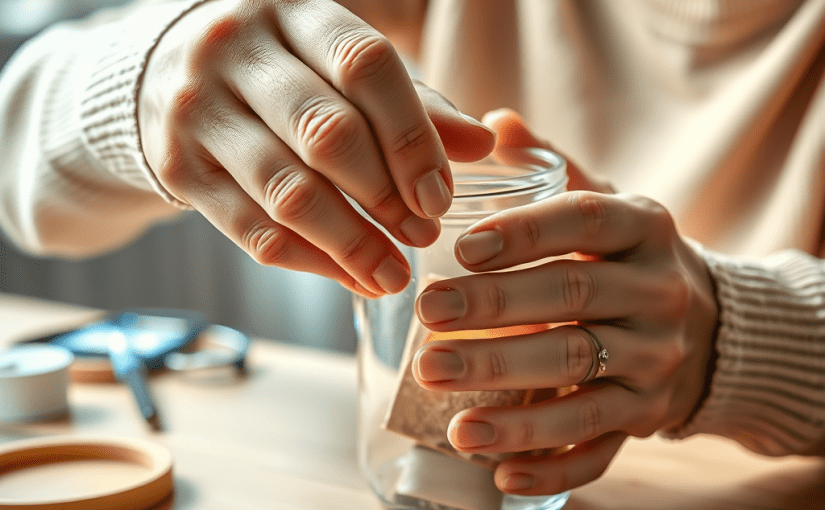
Rheumatoid Arthritis: What You Really Need to Know (And What Your Family Should Understand)
Living with rheumatoid arthritis means waking up with joints so stiff and painful that simple tasks like opening a jar or brushing your teeth become challenges. It’s the exhaustion that goes beyond tired – a bone-deep fatigue that makes you feel like you’re moving through thick fog. It’s planning your life around unpredictable flares, managing a complex medication regimen, and dealing with an immune system that has turned against your own body. Whether you’ve recently been diagnosed, have been managing RA for years, or love someone navigating this autoimmune condition, this guide will give you the complete picture of what rheumatoid arthritis really means.
What Is Rheumatoid Arthritis? (It’s Not Just Joint Pain)
Rheumatoid arthritis (RA) is a chronic autoimmune disease where your body’s immune system mistakenly attacks your own tissues, primarily targeting the synovium – the lining of the membranes that surround your joints. Unlike osteoarthritis, which is mechanical “wear and tear,” RA is your immune system essentially declaring war on your joints.
Think of healthy joints as having a smooth, thin lining that produces lubricating fluid. With RA, your immune system attacks this lining, causing it to become inflamed and thickened. This inflamed tissue then releases enzymes that damage cartilage and bone, leading to joint deformity and disability if left untreated.
But RA isn’t just a joint disease. Because it’s systemic, it can affect:
- Multiple organ systems throughout the body
- Blood vessels (causing cardiovascular complications)
- Lungs (causing scarring or nodules)
- Eyes (causing dryness or inflammation)
- Skin (causing nodules or rashes)
- Heart (increasing cardiovascular risk)
Key Facts:
- RA affects approximately 1.3 million Americans
- About 75% of people with RA are women
- It can develop at any age, but most commonly begins between ages 30-60
- Early diagnosis and treatment can prevent or slow joint damage
- It’s completely different from osteoarthritis despite both being called “arthritis”
The Myths vs. Reality: What Rheumatoid Arthritis Actually Is
Myth: “Rheumatoid arthritis is the same as osteoarthritis, just more severe”
Reality: RA and osteoarthritis are completely different diseases with different causes, symptoms, and treatments. RA is autoimmune; osteoarthritis is mechanical wear and tear.
Myth: “Only elderly people get rheumatoid arthritis”
Reality: RA can develop at any age, including in children (juvenile idiopathic arthritis). Many people are diagnosed in their 30s, 40s, and 50s.
Myth: “Rheumatoid arthritis only affects your joints”
Reality: RA is a systemic disease that can affect organs throughout the body, including the heart, lungs, eyes, and blood vessels.
Myth: “If you have rheumatoid arthritis, you’ll end up in a wheelchair”
Reality: With modern treatments, most people with RA can maintain active, independent lives. Early, aggressive treatment can prevent severe joint damage.
Myth: “Rheumatoid arthritis is caused by diet or lifestyle”
Reality: RA is an autoimmune condition likely triggered by a combination of genetic susceptibility and environmental factors. It’s not caused by poor diet or lifestyle choices.
Myth: “People with RA should avoid exercise”
Reality: Regular, appropriate exercise is crucial for maintaining joint function and overall health in people with RA.
Myth: “Natural remedies can cure rheumatoid arthritis”
Reality: While some complementary therapies may help with symptoms, RA requires medical treatment to prevent joint damage. There is no cure, but the disease can be controlled.
What Rheumatoid Arthritis Symptoms Actually Feel Like
The textbook symptoms include joint pain, swelling, and morning stiffness. But here’s what those symptoms actually feel like in daily life:
Morning stiffness: Imagine waking up feeling like your joints have been encased in concrete overnight. This isn’t the brief stiffness of osteoarthritis – it can last hours. Your hands might be so stiff you can’t make a fist, your knees so rigid you can’t bend them to get out of bed.
Joint pain and swelling: The pain is often described as deep, aching, and throbbing. Unlike osteoarthritis pain that worsens with activity, RA pain may actually improve with gentle movement. Joints become visibly swollen, warm to the touch, and tender.
Symmetrical joint involvement: RA typically affects the same joints on both sides of your body. If your right wrist hurts, your left probably does too. This symmetrical pattern helps distinguish RA from other types of arthritis.
Fatigue: This isn’t just being tired – it’s profound exhaustion that feels like your energy has been completely drained. You might feel like you need a nap after simple activities like taking a shower or making breakfast.
Flu-like symptoms: During flares, you might feel like you’re coming down with the flu – achy, weak, and generally unwell, even without fever.
Joint deformity: In advanced or poorly controlled RA, joints can become permanently deformed. Fingers might drift toward the pinky side, or develop swan-neck or boutonniere deformities.
Rheumatoid nodules: Firm lumps under the skin, usually near joints, that develop in about 20% of people with RA.
Systemic symptoms: Dry eyes and mouth, lung problems, heart complications, or blood vessel inflammation.
How Rheumatoid Arthritis Is Diagnosed
RA diagnosis involves multiple components since no single test definitively diagnoses the condition.
Clinical Assessment
Physical examination: Checking for:
- Joint swelling, warmth, and tenderness
- Range of motion limitations
- Symmetrical joint involvement
- Rheumatoid nodules
- Overall health assessment
Medical history: Including:
- Pattern and timing of symptoms
- Family history of autoimmune diseases
- Response to previous treatments
- Impact on daily activities
Laboratory Tests
Rheumatoid Factor (RF): Antibodies present in about 70-80% of people with RA
Anti-CCP (Anti-Cyclic Citrullinated Peptide) antibodies: More specific for RA than RF, present in about 60-70% of people with RA
Inflammatory markers:
- ESR (Erythrocyte Sedimentation Rate): Measures inflammation
- CRP (C-Reactive Protein): Another inflammation marker
Complete Blood Count: To check for anemia or other blood abnormalities
Comprehensive Metabolic Panel: To assess overall health and organ function
Imaging Studies
X-rays: Show joint damage, but changes may not appear until disease has progressed
Ultrasound: Can detect inflammation and early joint damage before it’s visible on X-rays
MRI: Provides detailed images of soft tissues and can detect very early joint changes
Diagnostic Criteria
The American College of Rheumatology/European League Against Rheumatism uses a point system based on:
- Joint involvement (which and how many joints)
- Blood test results (RF and anti-CCP)
- Inflammatory markers (ESR and CRP)
- Duration of symptoms (more or less than 6 weeks)
A score of 6 or higher indicates definite RA.
Daily Life with Rheumatoid Arthritis: What Management Really Looks Like
Living with RA means balancing medication management, symptom monitoring, and lifestyle adaptations while trying to maintain as normal a life as possible.
Medication Management
Disease-Modifying Antirheumatic Drugs (DMARDs): The cornerstone of RA treatment
- Traditional DMARDs like methotrexate, sulfasalazine, hydroxychloroquine
- Biologic DMARDs like adalimumab (Humira), etanercept (Enbrel), infliximab (Remicade)
- JAK inhibitors like tofacitinib (Xeljanz), baricitinib (Olumiant)
Corticosteroids: For short-term inflammation control during flares
Pain management: NSAIDs, topical treatments, sometimes low-dose opioids for severe pain
Medication monitoring: Regular blood tests to monitor for side effects and adjust dosing
Morning Routine Adaptations
- Taking medications at consistent times
- Gentle stretching or movement to reduce stiffness
- Warm shower or bath to loosen joints
- Using assistive devices for daily tasks
- Planning extra time for morning activities
Activity and Exercise Management
Low-impact aerobic exercise: Swimming, walking, cycling to maintain cardiovascular health
Range of motion exercises: Daily gentle stretching to maintain joint flexibility
Strength training: Building muscle to support and protect joints
Balance training: Preventing falls, especially important if joints are unstable
Rest during flares: Knowing when to reduce activity to prevent worsening inflammation
Work and Career Considerations
- Discussing accommodations with employers (ergonomic equipment, flexible scheduling)
- Managing fatigue that can affect concentration and productivity
- Planning around medical appointments and infusion schedules
- Understanding disability rights and protections
Social and Emotional Management
- Communicating needs clearly to family and friends
- Dealing with the unpredictability of flares
- Managing anxiety about disease progression
- Maintaining social connections despite limitations
Treatment Options: A Comprehensive Approach
RA treatment has evolved dramatically over the past few decades, with the goal of achieving remission or low disease activity.
Disease-Modifying Antirheumatic Drugs (DMARDs)
Traditional (Conventional) DMARDs:
- Methotrexate: The gold standard first-line treatment, taken weekly
- Sulfasalazine: Often used in combination with other DMARDs
- Hydroxychloroquine: Originally an antimalarial drug, mild DMARD option
- Leflunomide: Alternative for people who can’t take methotrexate
Biologic DMARDs: Target specific parts of the immune system
- TNF inhibitors: Adalimumab (Humira), etanercept (Enbrel), infliximab (Remicade)
- IL-6 inhibitors: Tocilizumab (Actemra), sarilumab (Kevzara)
- B-cell depletion: Rituximab (Rituxan)
- T-cell costimulation blocker: Abatacept (Orencia)
JAK (Janus Kinase) Inhibitors: Newer oral medications
- Tofacitinib (Xeljanz), baricitinib (Olumiant), upadacitinib (Rinvoq)
Supportive Treatments
Corticosteroids: Prednisone for short-term inflammation control
NSAIDs: For pain and inflammation relief
Physical therapy: To maintain joint function and muscle strength
Occupational therapy: To learn joint protection techniques and use assistive devices
Monitoring and Follow-up
Regular blood tests: Monitoring for medication side effects and disease activity
Disease activity assessments: Using standardized measures to track progress
Imaging studies: Periodic X-rays or other imaging to monitor joint damage
Screening for complications: Regular eye exams, cardiovascular assessments, bone density tests
Surgical Options
When medication and conservative treatments aren’t sufficient:
Synovectomy: Removing inflamed joint lining
Joint fusion: Fusing bones together for stability
Joint replacement: Total replacement of severely damaged joints
Tendon repair: Fixing tendons damaged by RA
Potential Complications: Why Early Treatment Matters
RA can cause serious complications if not properly treated, which is why early, aggressive treatment is crucial.
Joint-Related Complications
Progressive joint damage: Cartilage and bone destruction leading to deformity and disability
Joint instability: Ligament and tendon damage causing joints to become unstable
Reduced range of motion: Permanent limitation in joint movement
Cervical spine involvement: Potentially dangerous instability in the neck
Systemic Complications
Cardiovascular disease: RA doubles the risk of heart attack and stroke
Lung problems:
- Interstitial lung disease (scarring)
- Pleural effusions (fluid around lungs)
- Rheumatoid nodules in lungs
Eye complications:
- Sjögren’s syndrome (dry eyes and mouth)
- Scleritis (inflammation of the white of the eye)
- Increased glaucoma risk
Skin manifestations:
- Rheumatoid nodules
- Vasculitis (blood vessel inflammation)
- Increased infection risk
Bone problems:
- Osteoporosis from inflammation and steroid use
- Increased fracture risk
Medication-Related Complications
Infection risk: Immunosuppressive medications increase susceptibility to infections
Liver toxicity: Regular monitoring required for drugs like methotrexate
Blood count changes: Some medications can affect white blood cells or platelets
Cancer risk: Small increased risk with some biologic medications
For Family and Friends: How to Really Help
What TO Do:
Understand the autoimmune nature: RA isn’t just joint pain – it’s a systemic disease that affects the whole body
Learn about flares: Understand that symptoms can change rapidly and unpredictably
Be flexible with plans: RA symptoms can worsen suddenly, requiring plan changes
Offer practical support: Help with tasks that stress painful joints during flares
Support medication adherence: Understand that medications are necessary to prevent joint damage
Encourage appropriate activity: Support their exercise routine and physical therapy
Be patient with fatigue: Understand that RA fatigue is different from normal tiredness
What NOT to Do:
Don’t suggest stopping medications: “Natural” alternatives cannot replace DMARDs for preventing joint damage
Don’t minimize systemic symptoms: Understand that RA affects more than just joints
Don’t take mood changes personally: Chronic pain and medication side effects can affect emotions
Don’t assume they can’t do things: Ask what they’re capable of rather than taking over
Don’t compare to osteoarthritis: These are completely different conditions
Don’t suggest it’s “just stress”: While stress can worsen symptoms, RA is a medical condition requiring treatment
Understanding Disease Activity
Recognize flare signs: Increased joint swelling, pain, stiffness, and fatigue
Know when to seek help: Fever with flare symptoms may indicate infection
Support medication schedules: Help remember injection dates or infusion appointments
Understand good days and bad days: Symptoms can vary significantly from day to day
Living Well with Rheumatoid Arthritis: Real Strategies
Having RA means learning to manage a complex, chronic condition while maintaining as much normalcy as possible.
Early treatment is crucial: Starting DMARDs quickly can prevent irreversible joint damage
Medication compliance matters: Skipping doses can lead to flares and progressive damage
Regular monitoring is essential: Blood tests and check-ups help catch problems early
Exercise is medicine: Regular, appropriate activity helps maintain joint function and overall health
Stress management helps: Stress can trigger flares, so developing coping strategies is important
Sleep quality affects symptoms: Poor sleep can worsen pain and fatigue
Community support is valuable: Connecting with others who understand RA provides emotional support
Self-advocacy is necessary: Learning to communicate effectively with healthcare providers
Flexibility is key: Adapting plans and expectations based on disease activity
Hope is realistic: With modern treatments, most people with RA can live full, active lives
Frequently Asked Questions
Will I need to take medication for the rest of my life? Most people with RA require ongoing medication to prevent joint damage. Some may achieve drug-free remission, but this is uncommon and requires careful medical supervision.
Can RA go into remission? Yes! With modern treatments, many people achieve remission (minimal or no disease activity). However, this usually requires continuing medication.
Will I be able to have children with RA? Yes, most people with RA can have healthy pregnancies. Some medications need to be adjusted, so planning with your rheumatologist is important.
Is RA hereditary? There’s a genetic component, but having a family member with RA doesn’t mean you’ll definitely develop it. Multiple factors contribute to RA development.
Can diet affect my RA? While no specific diet cures RA, anti-inflammatory diets may help with overall health. Some people find certain foods trigger symptoms.
How quickly does RA progress? With early, appropriate treatment, joint damage can often be prevented or significantly slowed. Untreated RA typically progresses more rapidly.
Resources and Support
Arthritis Foundation: arthritis.org – Comprehensive RA information and local support resources
American College of Rheumatology: rheumatology.org – Professional medical information and provider directory
CreakyJoints: creakyjoints.org – Patient-centered arthritis information and community
Rheumatoid Patient Foundation: rheum4us.org – RA-specific patient advocacy and education
RA Warrior: rawarrior.com – Patient perspective blog and resources
Local support groups: Many hospitals and arthritis foundations offer RA support groups
Online communities: Facebook groups, Reddit communities for peer support
Apps for management: ArthritisPower, MyRA, RheumaTrack for tracking symptoms and medications
Financial assistance programs: Many pharmaceutical companies offer patient assistance programs for expensive RA medications
The Bottom Line
Rheumatoid arthritis is a serious autoimmune condition that requires prompt, ongoing medical treatment to prevent joint damage and complications. While there’s no cure, modern treatments can control the disease effectively, allowing most people with RA to live full, active lives.
If you’ve been recently diagnosed, know that RA treatment has improved dramatically over the past few decades. Early, aggressive treatment can prevent the joint deformities and disabilities that were once common with RA. If you’re supporting someone with RA, your understanding of the systemic nature of this disease and the importance of consistent treatment makes an enormous difference.
The RA community often emphasizes that “you’re stronger than you think” – managing an autoimmune condition requires tremendous resilience, but with proper treatment and support, people with RA continue to pursue their dreams, careers, and relationships successfully.
Remember: This information is educational and should not replace advice from your healthcare provider. Always consult with your rheumatologist for personalized RA management plans.
Living with rheumatoid arthritis or supporting someone who is? Share your experiences and helpful strategies in the comments below. Your insights might help others navigating this autoimmune journey.
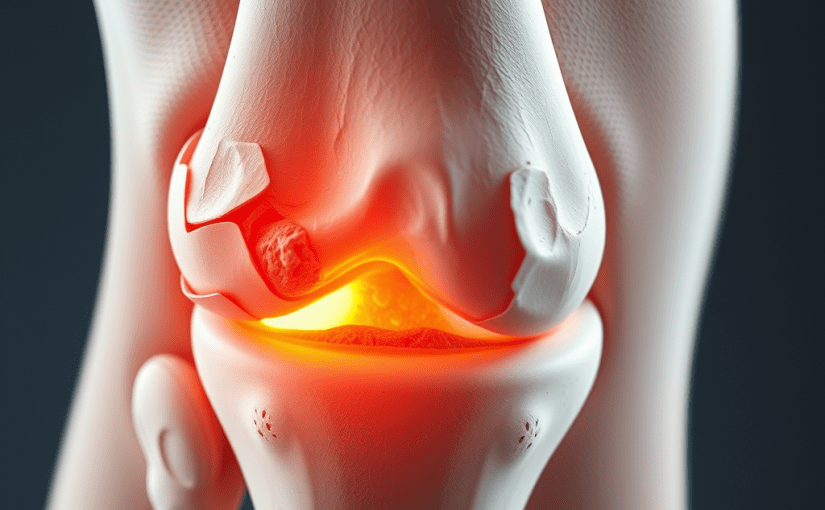
Osteoarthritis: What You Really Need to Know (And What Your Family Should Understand)
Living with osteoarthritis means your joints hurt – not just occasionally, but often daily. It’s the aching knees when you climb stairs, the stiff fingers when you try to open a jar, the lower back pain that makes getting out of bed a careful process. It’s planning your day around your worst joints and learning to pace yourself in ways you never had to before. Whether you’ve recently been diagnosed, have been managing osteoarthritis for years, or love someone dealing with joint pain, this guide will give you the complete picture of what this “wear and tear” arthritis really means.
What Is Osteoarthritis? (Beyond “Wear and Tear”)
Osteoarthritis (OA) is the most common form of arthritis, affecting over 32.5 million adults in the United States. It occurs when the protective cartilage that cushions the ends of your bones gradually wears down over time. But calling it simply “wear and tear” doesn’t capture the full picture.
Think of healthy cartilage as a smooth, slippery surface that allows your bones to glide effortlessly against each other. With osteoarthritis, this cartilage becomes rough, breaks down, and eventually may wear away completely. When this happens, bone rubs against bone, causing pain, swelling, and reduced motion in the joint.
But osteoarthritis isn’t just about cartilage loss. It affects the entire joint, including:
- The bones underneath the cartilage
- The joint lining (synovium)
- The ligaments and muscles around the joint
- The fluid that lubricates the joint
Key Facts:
- Osteoarthritis is the leading cause of disability in the United States
- It most commonly affects knees, hips, hands, and spine
- Risk increases with age, but it’s not an inevitable part of aging
- It affects women more than men, especially after menopause
- Unlike rheumatoid arthritis, it’s not an autoimmune condition
The Myths vs. Reality: What Osteoarthritis Actually Is
Myth: “Osteoarthritis is just a normal part of getting older”
Reality: While age increases risk, osteoarthritis is a disease, not an inevitable consequence of aging. Many older adults never develop it, and some younger people do.
Myth: “If you have osteoarthritis, you should avoid exercise”
Reality: Exercise is one of the most effective treatments for osteoarthritis. The right types of physical activity can reduce pain and improve function.
Myth: “Nothing can be done for osteoarthritis except pain medication”
Reality: There are many effective treatments including physical therapy, weight management, injections, assistive devices, and surgery when appropriate.
Myth: “Osteoarthritis only affects your joints”
Reality: Chronic joint pain can affect sleep, mood, energy levels, and overall quality of life. It’s a whole-body experience.
Myth: “Cracking your knuckles causes arthritis”
Reality: Studies show no link between knuckle cracking and osteoarthritis development.
Myth: “Rainy weather makes arthritis worse”
Reality: While many people report increased pain with weather changes, scientific evidence is mixed. The relationship is complex and varies by individual.
What Osteoarthritis Symptoms Actually Feel Like
The textbook symptoms include joint pain, stiffness, and reduced range of motion. But here’s what those symptoms actually feel like in daily life:
Joint pain: This isn’t just discomfort – it can be a deep, aching pain that’s worse with movement and activity. In weight-bearing joints like knees and hips, it might feel like a constant dull ache with sharp pains when you move wrong. In hands, it might be a burning or aching sensation when gripping objects.
Morning stiffness: Unlike rheumatoid arthritis where stiffness lasts hours, osteoarthritis stiffness is typically brief – usually less than 30 minutes. It feels like your joints need to “warm up” before they work properly.
Stiffness after sitting: The “gel phenomenon” – your joints stiffen up after sitting still for a while, like when getting up from a movie theater seat or out of a car after a long drive.
Reduced range of motion: Your knee might not bend as far as it used to, making it hard to tie your shoes. Your shoulder might not reach as high, making it difficult to get items from high shelves.
Joint grinding or clicking: You might hear or feel creaking, grinding, or clicking sounds when you move the joint. This is called crepitus and is caused by rough cartilage surfaces.
Joint enlargement: Fingers might develop bony enlargements at the joints, making rings tight or impossible to wear.
Pain that worsens throughout the day: Unlike inflammatory arthritis, osteoarthritis pain typically gets worse with activity and improves with rest.
How Osteoarthritis Is Diagnosed
Physical Examination
Your doctor will:
- Check for joint tenderness, swelling, and range of motion
- Look for bony enlargements or deformities
- Test joint stability and function
- Observe how you walk and move
Medical History
Important factors include:
- Pattern of joint pain and stiffness
- Activities that worsen or improve symptoms
- Family history of arthritis
- Previous joint injuries
- Overall health and other medical conditions
Imaging Tests
X-rays: The primary tool for diagnosing osteoarthritis
- Show joint space narrowing (cartilage loss)
- Reveal bone spurs (osteophytes)
- Detect changes in bone structure
- Help rule out other conditions
MRI scans: May be used to:
- Get detailed images of cartilage, ligaments, and other soft tissues
- Evaluate the extent of joint damage
- Plan for potential surgery
Laboratory Tests
Unlike rheumatoid arthritis, there are no specific blood tests for osteoarthritis. Blood tests may be done to rule out other types of arthritis or inflammatory conditions.
Daily Life with Osteoarthritis: What Management Really Looks Like
Living with osteoarthritis means adapting how you do everyday activities and learning to work with your joints rather than against them.
Morning Routines
- Taking a warm shower to loosen stiff joints
- Gentle stretching or movement before getting out of bed
- Planning extra time for morning activities when joints are stiffest
- Using assistive devices like jar openers or button hooks for hand arthritis
Activity Modification
- Breaking large tasks into smaller, manageable parts
- Alternating between activity and rest throughout the day
- Using proper body mechanics to protect joints
- Choosing low-impact activities over high-impact ones
Pain Management Strategies
- Applying heat before activity to warm up joints
- Using ice after activity to reduce inflammation
- Taking medications as prescribed by your doctor
- Using topical creams or gels for localized relief
Home Modifications
- Installing grab bars in bathrooms
- Using ergonomic tools and kitchen utensils
- Adding cushioned seats or back supports
- Organizing frequently used items at accessible heights
Work Adaptations
- Using ergonomic keyboards and mouse pads for hand/wrist arthritis
- Taking frequent breaks to move and stretch
- Adjusting desk height and chair position
- Discussing accommodations with employers when necessary
Treatment Options: A Comprehensive Approach
Osteoarthritis treatment focuses on managing pain, maintaining joint function, and slowing disease progression.
Non-Medication Treatments
Physical Therapy:
- Exercises to strengthen muscles around affected joints
- Range of motion exercises to maintain flexibility
- Balance and coordination training
- Education on proper body mechanics
Weight Management:
- Even modest weight loss can significantly reduce joint stress
- Every pound lost removes 4 pounds of pressure from knee joints
- Combination of diet modification and appropriate exercise
Exercise Programs:
- Low-impact aerobic activities (swimming, cycling, walking)
- Strength training to support joint function
- Flexibility and stretching exercises
- Tai chi or yoga for balance and gentle movement
Heat and Cold Therapy:
- Warm baths or heating pads before activity
- Ice packs after activity or during flare-ups
- Paraffin baths for hand arthritis
Assistive Devices:
- Canes or walkers to reduce joint stress
- Braces or splints to support unstable joints
- Ergonomic tools to reduce strain on hands and wrists
- Shoe inserts or supportive footwear
Medications
Over-the-Counter Pain Relievers:
- Acetaminophen for mild to moderate pain
- NSAIDs (ibuprofen, naproxen) for pain and inflammation
- Topical NSAIDs for localized joint pain
Prescription Medications:
- Stronger NSAIDs for more severe symptoms
- Topical prescription creams and gels
- Muscle relaxants for associated muscle spasms
Injections:
- Corticosteroid injections for severe inflammation
- Hyaluronic acid injections for knee osteoarthritis
- Platelet-rich plasma (PRP) injections (newer treatment)
Surgical Options
When conservative treatments aren’t enough:
Arthroscopy: Minimally invasive surgery to clean out damaged cartilage
Osteotomy: Realigning bones to shift weight away from damaged areas
Joint replacement: Total or partial replacement of severely damaged joints, most commonly hip and knee replacements
Potential Complications and Progression
Physical Complications
Increased fall risk: Joint pain and instability can increase the likelihood of falls
Muscle weakness: Reduced activity due to pain can lead to muscle atrophy around affected joints
Joint deformity: Advanced osteoarthritis can cause visible changes in joint shape
Secondary arthritis: Compensating for one painful joint can lead to problems in other joints
Impact on Daily Life
Sleep disruption: Joint pain can interfere with restful sleep, leading to fatigue and mood changes
Reduced independence: Difficulty with activities of daily living may require assistance or adaptive equipment
Work limitations: Joint pain and stiffness may affect job performance or require workplace modifications
Social isolation: Chronic pain and mobility limitations can lead to withdrawal from social activities
Mental Health Considerations
Depression and anxiety: Chronic pain and functional limitations can significantly impact mental health
Chronic pain syndrome: Long-term pain can affect how the nervous system processes pain signals
Quality of life changes: Adapting to new limitations while maintaining independence and relationships
For Family and Friends: How to Really Help
What TO Do:
Understand the invisible nature: Osteoarthritis pain isn’t always visible. Someone may look fine but be experiencing significant discomfort
Be patient with pace changes: Activities may take longer or need to be modified
Offer specific help: “Can I carry those heavy bags?” instead of general offers
Learn about their condition: Understanding osteoarthritis helps you be more supportive
Encourage appropriate activity: Support their exercise routine and physical therapy
Be flexible with plans: Pain levels can change day to day, affecting ability to participate in activities
Respect their limits: Don’t push them to do more than they’re comfortable with
What NOT to Do:
Don’t dismiss their pain: Phrases like “You’re too young for arthritis” or “It’s just aches and pains” are hurtful
Don’t suggest miracle cures: Be skeptical of “guaranteed” treatments that sound too good to be true
Don’t take mood changes personally: Chronic pain can affect emotional well-being
Don’t assume they can’t do things: Ask before jumping in to help with everything
Don’t make them feel guilty: Avoid comments about activities they can no longer do easily
Don’t compare their arthritis to others: Every person’s experience is unique
Practical Support Strategies
Help with household tasks: Offer to assist with activities that stress painful joints
Provide transportation: Driving can be difficult with severe hand, knee, or hip arthritis
Accompany to appointments: Extra ears during medical visits can be helpful
Research resources: Help find local support groups, physical therapy services, or assistive devices
Create a supportive environment: Remove tripping hazards, provide comfortable seating, keep frequently used items accessible
Living Well with Osteoarthritis: Real Strategies
Having osteoarthritis doesn’t mean your active life is over, but it does mean learning to be smarter about how you move and what you do.
Pacing is everything: Learning to balance activity with rest prevents overexertion and reduces pain flares
Movement is medicine: Regular, appropriate exercise is one of the most effective treatments for osteoarthritis
Weight matters: Maintaining a healthy weight significantly reduces stress on weight-bearing joints
Heat and cold are your friends: Using temperature therapy strategically can provide significant relief
Stress management helps: Chronic pain increases stress, which can worsen pain perception
Sleep quality affects pain: Poor sleep can increase pain sensitivity, while good sleep helps with pain management
Community support matters: Connecting with others who understand chronic joint pain provides valuable emotional support
Technology can help: Apps for tracking symptoms, exercise reminders, and pain management techniques
Professional guidance is key: Working with healthcare providers, physical therapists, and sometimes occupational therapists optimizes treatment
Frequently Asked Questions
Will my osteoarthritis get worse over time? Osteoarthritis is generally progressive, but the rate varies greatly between individuals. With proper management, many people maintain good function for years.
Should I exercise if my joints hurt? Yes, but choose appropriate activities. Low-impact exercises like swimming, cycling, and walking are generally safe and beneficial. Consult with a physical therapist for personalized recommendations.
When should I consider joint replacement surgery? Surgery is typically considered when conservative treatments no longer provide adequate pain relief and joint damage significantly impacts daily activities and quality of life.
Can diet affect my osteoarthritis? While no specific diet cures osteoarthritis, maintaining a healthy weight reduces joint stress. Some people find that anti-inflammatory foods help with overall well-being.
Is osteoarthritis hereditary? There’s a genetic component to osteoarthritis risk, but having family members with the condition doesn’t guarantee you’ll develop it.
Can young people get osteoarthritis? Yes, especially following joint injuries. Post-traumatic osteoarthritis can develop years after injuries to ligaments, meniscus, or cartilage.
Resources and Support
Arthritis Foundation: arthritis.org – Comprehensive arthritis information and local support resources
American College of Rheumatology: rheumatology.org – Professional medical information and provider directory
Osteoarthritis Research Society International: oarsi.org – Latest research and treatment guidelines
National Institute of Arthritis and Musculoskeletal Diseases: niams.nih.gov – Government health information
Local support groups: Many hospitals and community centers offer arthritis support groups
Physical therapy services: Ask your doctor for referrals to qualified physical therapists
Occupational therapy: Can help with adaptive strategies for daily activities
Apps for management: ArthritisPower, My RA, CatchMyPain for tracking symptoms and treatments
The Bottom Line
Osteoarthritis is a common but manageable condition that affects millions of people. While there’s currently no cure, many effective treatments can help manage pain, maintain joint function, and preserve quality of life. The key is early intervention, appropriate treatment, and learning to adapt activities rather than avoiding them entirely.
If you’ve been recently diagnosed, know that having osteoarthritis doesn’t mean you’re destined for disability. With proper management, most people with osteoarthritis continue to live active, fulfilling lives. If you’re supporting someone with osteoarthritis, your understanding and practical help can make a significant difference in their daily comfort and long-term outcomes.
The arthritis community often emphasizes that “motion is lotion” for joints – staying appropriately active, despite some discomfort, is often the best medicine for maintaining joint health and overall well-being.
Remember: This information is educational and should not replace advice from your healthcare provider. Always consult with your doctor or rheumatologist for personalized osteoarthritis management plans.
Living with osteoarthritis or supporting someone who is? Share your experiences and helpful tips in the comments below. Your insights might help others navigating joint pain and stiffness.
 Chronically Hustling