
COPD (Chronic Obstructive Pulmonary Disease): Understanding, Managing, and Living with Breathing Challenges (A Complete Guide)

If you’re living with COPD, you know it’s not just about being “short of breath” – it’s about the constant awareness of every breath, the exhaustion that comes from simple activities, and the fear that accompanies feeling like you can’t get enough air. If you love someone with COPD, understanding that breathing difficulties affect every aspect of daily life can help you provide meaningful support. COPD affects over 16 million Americans, with millions more undiagnosed, and remains one of the leading causes of death and disability. Whether you’re newly diagnosed, managing advanced COPD, or supporting someone on this journey, this guide will provide the comprehensive information and understanding you need.

Living with COPD means your relationship with breathing – something most people never think about – becomes central to every decision you make. It’s planning your day around your energy levels, carrying rescue inhalers everywhere, and learning to pace activities in ways you never had to before. It’s the frustration of looking healthy while struggling to catch your breath, and the fear that comes with knowing your breathing will likely get worse over time, not better.

Understanding COPD: When Breathing Becomes Work

What Is COPD?

Chronic Obstructive Pulmonary Disease (COPD) is a progressive lung disease that makes it difficult to breathe. COPD is actually an umbrella term for two main conditions that often occur together:

Chronic Bronchitis: Inflammation and narrowing of the airways (bronchi) that carry air to the lungs, causing persistent cough and mucus production.

Emphysema: Damage to the air sacs (alveoli) in the lungs, reducing the surface area available for oxygen exchange and making it hard to exhale completely.

Most people with COPD have both conditions to varying degrees. The disease is characterized by airflow limitation that is not fully reversible and typically gets worse over time.

How COPD Affects Your Breathing

In healthy lungs:

  • Airways are clear and elastic
  • Air sacs exchange oxygen and carbon dioxide efficiently
  • Breathing in and out happens easily and automatically

In COPD-damaged lungs:

  • Airways become inflamed, thickened, and produce excess mucus
  • Air sacs lose their elasticity and may be destroyed
  • Air gets trapped in the lungs, making exhalation difficult
  • Less oxygen reaches the bloodstream
  • Carbon dioxide builds up in the body

This creates a cascade of problems: Poor oxygen delivery makes you feel tired and weak. Trapped air makes you feel like you can’t catch your breath. Excess mucus causes persistent coughing. The extra work of breathing becomes exhausting.

Stages of COPD

COPD severity is measured using spirometry, a breathing test that measures how much air you can blow out and how fast. The stages help guide treatment:

Stage 1 (Mild COPD): FEV1 ≥ 80% of predicted

  • You may not notice symptoms yet
  • Might have occasional cough or mucus production
  • Lung function tests show some airflow limitation

Stage 2 (Moderate COPD): FEV1 50-79% of predicted

  • Symptoms become more noticeable
  • Shortness of breath during exertion
  • Persistent cough and mucus production
  • May start affecting daily activities

Stage 3 (Severe COPD): FEV1 30-49% of predicted

  • Significant shortness of breath
  • Reduced exercise tolerance
  • Frequent exacerbations (flare-ups)
  • Fatigue and reduced quality of life

Stage 4 (Very Severe COPD): FEV1 < 30% of predicted

  • Severe shortness of breath at rest
  • Significant limitation of daily activities
  • Life-threatening exacerbations
  • May require oxygen therapy

What Causes COPD?

Cigarette smoking: The leading cause, responsible for 85-90% of COPD cases

  • Includes current smokers and former smokers
  • Secondhand smoke exposure also increases risk
  • The longer and more you smoke, the higher the risk

Alpha-1 antitrypsin deficiency: Genetic condition affecting about 1-5% of COPD cases

  • Inherited disorder that reduces a protective protein in the lungs
  • Can cause COPD even in people who never smoked
  • Often develops at a younger age than smoking-related COPD

Occupational and environmental exposures:

  • Long-term exposure to dust, chemicals, or fumes at work
  • Air pollution and poor indoor air quality
  • Biomass fuel exposure (wood-burning stoves, cooking fires)
  • Coal dust, silica, cadmium, and other workplace toxins

Other factors:

  • Severe childhood respiratory infections
  • Asthma that’s poorly controlled over time
  • Rare genetic conditions affecting lung development

Important note: While smoking is the most common cause, about 25% of people with COPD never smoked. COPD can affect anyone, regardless of smoking history.

The Reality: What COPD Actually Feels Like

The Physical Experience of Breathing Difficulties

Shortness of breath (dyspnea): This isn’t just feeling winded after exercise – it’s feeling like you can’t get enough air during activities that used to be easy. Climbing stairs, carrying groceries, or even talking for extended periods can leave you gasping. As COPD progresses, you might feel short of breath even at rest.

The feeling of suffocation: During severe episodes, it can feel like you’re drowning in air – like you’re breathing through a straw while someone is sitting on your chest. This creates intense anxiety and panic, which makes breathing even harder.

Chronic cough: Often called “smoker’s cough,” this persistent cough produces thick, sometimes colored mucus. You might cough most in the morning or during weather changes. The coughing can be exhausting and disruptive to sleep and social situations.

Wheezing: A whistling or squeaky sound when breathing, especially when exhaling. Some people wheeze only during exertion or respiratory infections, while others wheeze constantly.

Chest tightness: Feeling like someone is squeezing your chest or like you’re wearing a tight band around your ribs. This can be constant or come and go.

Fatigue beyond tired: When your body isn’t getting enough oxygen, every activity becomes exhausting. Simple tasks like showering or preparing meals can leave you needing to rest for extended periods.

The Emotional and Psychological Impact

Anxiety about breathing: When breathing becomes difficult, anxiety is a natural response. This creates a vicious cycle – anxiety makes breathing worse, which increases anxiety. Many people with COPD develop panic attacks triggered by breathing difficulties.

Fear of exacerbations: COPD flare-ups can be terrifying and life-threatening. Many people live in constant fear of their next exacerbation, which can lead to avoiding activities and social isolation.

Depression: The limitations imposed by COPD, combined with poor sleep and reduced oxygen to the brain, contribute to high rates of depression among people with COPD.

Loss of independence: Gradually needing help with activities you used to do easily affects self-esteem and sense of identity.

Guilt and shame: People often blame themselves for developing COPD, especially if they smoked. This guilt can prevent them from seeking help or being honest with healthcare providers.

Grief for lost abilities: Mourning the activities, hobbies, and lifestyle you can no longer maintain due to breathing limitations.

The Social and Practical Impact

Activity limitations: COPD affects your ability to work, exercise, travel, and participate in social activities. Many people gradually reduce their activities to avoid breathlessness, leading to a smaller and smaller world.

Communication challenges: Talking can be exhausting when you’re short of breath. Phone conversations, meetings, or social gatherings become difficult when you need to pause frequently to catch your breath.

Sleep disruption: COPD symptoms often worsen at night. Lying flat can make breathing harder, and coughing can keep you and your partner awake.

Weather sensitivity: Cold air, humidity, air pollution, and weather changes can trigger symptoms or exacerbations, limiting when and where you can go outside.

Intimacy changes: Shortness of breath affects physical intimacy and can strain relationships when partners don’t understand the limitations.

The Myths vs. Reality: What COPD Actually Is

Myth: “COPD only affects smokers, so they deserve it”

Reality: While smoking is the leading cause, 25% of people with COPD never smoked. COPD can result from genetics, occupational exposures, air pollution, or childhood infections. Regardless of cause, everyone deserves compassionate care and support.

Myth: “Nothing can be done for COPD – it’s a death sentence”

Reality: While COPD is progressive and incurable, many treatments can significantly improve symptoms, slow progression, and improve quality of life. Many people live with COPD for decades with proper management.

Myth: “Exercise makes COPD worse”

Reality: Appropriate exercise is one of the most effective treatments for COPD. Pulmonary rehabilitation programs help people exercise safely and can dramatically improve symptoms and quality of life.

Myth: “Oxygen therapy means you’re dying”

Reality: Oxygen therapy helps people with COPD live longer, more active lives. It’s prescribed when oxygen levels are too low, not as a last resort. Many people use oxygen for years while maintaining active lifestyles.

Myth: “COPD medications are addictive”

Reality: COPD inhalers and medications are not addictive. They’re essential treatments that help keep airways open and reduce inflammation. Some people worry about “dependence,” but using prescribed medications as directed is necessary for managing the disease.

Myth: “If you have COPD, you should avoid all physical activity”

Reality: While you may need to modify activities and pace yourself, staying as active as possible is crucial for maintaining lung function and overall health. Complete inactivity leads to rapid deconditioning.

Myth: “COPD only affects the lungs”

Reality: COPD is a systemic disease that affects the heart, muscles, bones, and mental health. Poor oxygenation and chronic inflammation impact the entire body.

Daily Life with COPD: What Management Really Looks Like

Managing Medications and Inhalers

COPD typically requires multiple medications:

Bronchodilators: Medications that open the airways

  • Short-acting (rescue inhalers): Used for immediate relief of symptoms
  • Long-acting: Used daily to keep airways open
  • Beta-agonists and anticholinergics: Different types that work in different ways

Inhaled corticosteroids: Reduce inflammation in the airways

  • Often combined with bronchodilators in a single inhaler
  • Help prevent exacerbations
  • Don’t work like rescue medications – effects build over time

The reality of using inhalers:

  • Many people use 2-4 different inhalers daily
  • Each inhaler has specific techniques for proper use
  • Timing matters – some are taken twice daily, others as needed
  • Spacer devices may be needed for proper medication delivery
  • Regular cleaning and replacement of devices is essential

Common challenges:

  • Remembering which inhaler to use when
  • Coordinating breathing and inhaler activation
  • Keeping track of doses remaining
  • Affording multiple expensive medications
  • Managing side effects like oral thrush or hoarse voice

Oxygen Therapy Management

When oxygen is prescribed:

  • Usually when oxygen saturation falls below 88-90%
  • May be needed only during sleep, exercise, or continuously
  • Prescribed based on specific medical criteria, not just feeling short of breath

Types of oxygen delivery:

  • Oxygen concentrators: Plug-in machines for home use
  • Portable oxygen concentrators: Battery-powered for mobility
  • Compressed gas tanks: Backup or for specific situations
  • Liquid oxygen: More portable but requires special handling

Daily life with oxygen:

  • Planning activities around oxygen supply and battery life
  • Learning to travel safely with oxygen equipment
  • Managing tubing to prevent tripping or disconnection
  • Dealing with dry nasal passages from oxygen flow
  • Addressing social anxiety about using oxygen in public

Energy Conservation and Pacing

Learning to pace activities:

  • Breaking tasks into smaller segments with rest periods
  • Planning high-energy activities for times when you feel best
  • Using energy-saving techniques for daily tasks
  • Prioritizing activities that are most important to you

Activity modification techniques:

  • Sitting while doing tasks usually done standing
  • Using tools and devices that reduce effort
  • Organizing living spaces to minimize walking and reaching
  • Scheduling activities to avoid rushing

Breathing techniques:

  • Pursed lip breathing: Breathing in through nose, out through pursed lips
  • Diaphragmatic breathing: Using the diaphragm instead of chest muscles
  • Paced breathing: Coordinating breathing with activities
  • Relaxation breathing: Managing anxiety and panic

Managing Exacerbations (Flare-ups)

Recognizing exacerbation symptoms:

  • Increased shortness of breath beyond your usual level
  • Changes in mucus color, amount, or thickness
  • Increased cough or wheezing
  • Fever or feeling generally unwell
  • Swelling in legs or ankles
  • Confusion or difficulty concentrating

Exacerbation action plans:

  • Written instructions from your healthcare provider
  • When to use rescue medications
  • When to start antibiotics or steroids
  • When to call your doctor vs. go to emergency room
  • Emergency contact information readily available

Preventing exacerbations:

  • Getting annual flu shots and pneumonia vaccines
  • Avoiding crowds during flu season
  • Managing stress and getting adequate rest
  • Following medication regimens consistently
  • Recognizing and avoiding personal triggers

Treatment Options: Comprehensive COPD Management

Medications

Bronchodilators:

  • Short-acting beta-agonists (SABA): Albuterol for quick relief
  • Short-acting anticholinergics (SAMA): Ipratropium for rescue use
  • Long-acting beta-agonists (LABA): Formoterol, salmeterol for daily use
  • Long-acting anticholinergics (LAMA): Tiotropium, umeclidinium for daily use
  • Combination inhalers: Multiple medications in one device

Anti-inflammatory medications:

  • Inhaled corticosteroids: Reduce airway inflammation
  • Oral corticosteroids: For exacerbations or severe disease
  • PDE4 inhibitors: Roflumilast for severe COPD with chronic bronchitis

Other medications:

  • Mucolytics: Help thin mucus for easier clearance
  • Antibiotics: For bacterial infections causing exacerbations
  • Oxygen therapy: When blood oxygen levels are too low

Pulmonary Rehabilitation

What pulmonary rehabilitation includes:

  • Supervised exercise training tailored to your abilities
  • Education about COPD management and breathing techniques
  • Nutritional counseling and meal planning
  • Psychological support and stress management
  • Social support from others with lung disease

Benefits of pulmonary rehabilitation:

  • Improved exercise tolerance and reduced shortness of breath
  • Better quality of life and reduced anxiety/depression
  • Fewer hospitalizations and emergency room visits
  • Enhanced ability to perform daily activities
  • Increased confidence in managing COPD

Typical program structure:

  • 6-12 week programs meeting 2-3 times per week
  • Combination of aerobic exercise, strength training, and education
  • Individualized exercise prescriptions based on your capabilities
  • Ongoing support and maintenance programs after completion

Surgical Options

Lung volume reduction surgery (LVRS):

  • Removes damaged portions of lung to help healthier areas work better
  • Only appropriate for select patients with severe emphysema
  • Can improve breathing and quality of life in suitable candidates
  • Requires extensive evaluation and carries surgical risks

Lung transplantation:

  • Considered for end-stage COPD in appropriate candidates
  • Single or double lung transplant depending on individual factors
  • Requires extensive evaluation and long-term immunosuppression
  • Can dramatically improve quality of life and survival in selected patients

Bronchoscopic procedures:

  • Endobronchial valves: Block airflow to damaged lung areas
  • Bronchoscopic lung volume reduction: Less invasive than surgery
  • Bronchial thermoplasty: Reduces smooth muscle in airways
  • Newer procedures with less risk than surgery but more limited benefits

Oxygen Therapy

When oxygen is prescribed:

  • Blood oxygen saturation consistently below 88-90%
  • During exercise if levels drop significantly
  • During sleep if nocturnal desaturation occurs
  • May be temporary during illnesses or exacerbations

Benefits of oxygen therapy:

  • Improves survival in people with severe COPD
  • Reduces strain on the heart
  • Improves exercise tolerance and quality of life
  • May improve sleep quality and cognitive function

Types of oxygen systems:

  • Stationary concentrators: For home use, most economical
  • Portable concentrators: Battery-powered for mobility
  • Compressed gas cylinders: Backup or for high-flow needs
  • Liquid oxygen: Very portable but requires special delivery

Lifestyle Management and Prevention

Smoking Cessation

The most important intervention for COPD:

  • Slows disease progression more than any medication
  • Reduces risk of exacerbations and hospitalizations
  • Improves circulation and immune system function
  • Benefits begin within weeks of quitting

Quitting strategies:

  • Nicotine replacement therapy (patches, gum, lozenges)
  • Prescription medications (varenicline, bupropion)
  • Counseling and support groups
  • Gradual reduction vs. cold turkey approaches
  • Addressing triggers and developing coping strategies

Challenges of quitting with COPD:

  • Fear that symptoms will worsen initially
  • Using smoking to cope with COPD-related anxiety
  • Concerns about weight gain when breathing is already difficult
  • Breaking long-established habits and routines

Nutrition and COPD

Why nutrition matters with COPD:

  • Breathing requires significant energy, increasing caloric needs
  • Malnutrition weakens respiratory muscles
  • Excess weight strains the respiratory system
  • Proper nutrition supports immune system function

Common nutritional challenges:

  • Poor appetite due to medications or feeling unwell
  • Difficulty eating when short of breath
  • Early satiety from enlarged lungs pressing on stomach
  • Increased energy expenditure from breathing difficulties

Nutritional strategies:

  • Frequent small meals instead of large ones
  • High-calorie, nutrient-dense foods
  • Adequate protein for muscle maintenance
  • Staying hydrated to thin mucus secretions
  • Working with dietitians familiar with COPD

Exercise and Physical Activity

Benefits of exercise for COPD:

  • Improves cardiovascular fitness and muscle strength
  • Increases exercise tolerance and reduces breathlessness
  • Helps maintain independence and quality of life
  • Reduces anxiety and depression
  • May slow disease progression

Types of beneficial exercise:

  • Aerobic exercise: Walking, cycling, swimming at appropriate intensity
  • Strength training: Light weights or resistance bands for muscle maintenance
  • Flexibility exercises: Stretching and yoga for mobility
  • Breathing exercises: Specific techniques to improve breathing efficiency

Exercise safety considerations:

  • Start slowly and progress gradually
  • Monitor oxygen saturation during exercise if prescribed
  • Use supplemental oxygen during exercise if needed
  • Stop exercising if experiencing chest pain, dizziness, or severe breathlessness
  • Work with healthcare providers to develop safe exercise plans

Environmental Management

Indoor air quality:

  • Using air purifiers to remove pollutants and allergens
  • Maintaining proper humidity levels (30-50%)
  • Avoiding strong fragrances, cleaning chemicals, and smoke
  • Ensuring proper ventilation in living spaces
  • Regular cleaning to reduce dust and allergens

Outdoor considerations:

  • Monitoring air quality indexes before going outside
  • Avoiding outdoor activities during high pollution days
  • Limiting exposure during temperature extremes
  • Wearing masks in dusty or polluted environments
  • Planning activities for times when air quality is best

COPD Exacerbations: Recognition and Management

Understanding Exacerbations

What constitutes an exacerbation:

  • Worsening of symptoms beyond day-to-day variation
  • Usually involves increased dyspnea, cough, and/or sputum
  • May include changes in sputum color or consistency
  • Can be mild (managed at home) or severe (requiring hospitalization)

Common triggers:

  • Respiratory infections: Viral or bacterial infections
  • Air pollution: Smog, smoke, chemical fumes
  • Weather changes: Cold air, high humidity, barometric pressure changes
  • Allergens: Pollen, dust, pet dander
  • Stress: Physical or emotional stress can trigger symptoms
  • Medication non-adherence: Skipping or reducing prescribed medications

Managing Exacerbations at Home

Early intervention strategies:

  • Using action plans provided by healthcare providers
  • Increasing rescue inhaler use as directed
  • Starting prescribed antibiotics or steroids if indicated
  • Maintaining adequate hydration and rest
  • Using breathing techniques to manage anxiety

When to seek medical attention:

  • Severe breathlessness that doesn’t respond to rescue medications
  • Fever with worsening respiratory symptoms
  • Changes in mental status or confusion
  • Chest pain or heart palpitations
  • Inability to sleep due to breathing difficulties
  • Swelling in legs or ankles

Hospitalization for Severe Exacerbations

What to expect during hospitalization:

  • Oxygen therapy to maintain adequate blood oxygen levels
  • Intravenous or oral corticosteroids to reduce inflammation
  • Nebulized bronchodilators for maximum medication delivery
  • Antibiotics if bacterial infection is suspected
  • Monitoring for complications like respiratory failure

Discharge planning:

  • Medication adjustments based on exacerbation triggers
  • Follow-up appointments with pulmonologist or primary care
  • Referral to pulmonary rehabilitation if not previously completed
  • Review of inhaler techniques and action plan updates
  • Home oxygen evaluation if oxygen levels remain low

For Family and Friends: How to Support Someone with COPD

Understanding the Daily Impact

What family and friends need to know:

  • COPD symptoms can vary significantly from day to day
  • Simple activities can be exhausting when breathing is difficult
  • Anxiety about breathing is normal and makes symptoms worse
  • Many people with COPD feel guilty or ashamed about their condition
  • Support and understanding significantly improve quality of life

What TO Do

Provide practical support:

  • Help with household tasks that require physical exertion
  • Assist with grocery shopping and meal preparation
  • Offer transportation to medical appointments
  • Help organize medications and oxygen equipment
  • Research resources and support services in your community

Support lifestyle changes:

  • Encourage smoking cessation efforts without nagging
  • Learn about COPD-friendly foods and cooking methods
  • Find activities you can enjoy together that don’t require high exertion
  • Help create a clean, smoke-free environment
  • Support participation in pulmonary rehabilitation

Offer emotional support:

  • Listen without judgment when they express frustration or fear
  • Learn about COPD so you can understand their experience
  • Encourage them to express their feelings about living with COPD
  • Be patient with their changing energy levels and limitations
  • Help them maintain social connections and activities they enjoy

Learn emergency management:

  • Know the signs of COPD exacerbations
  • Understand when to call for medical help
  • Learn how to assist with rescue medications
  • Know the location of emergency action plans and medications
  • Practice staying calm during breathing emergencies

What NOT to Do

Avoid these approaches:

  • Don’t blame them for their condition, even if smoking-related
  • Don’t minimize their breathing difficulties or tell them to “just breathe”
  • Don’t take over all activities – encourage independence when possible
  • Don’t expose them to cigarette smoke, strong perfumes, or pollutants
  • Don’t push them to exercise or be active beyond their capabilities
  • Don’t make them feel guilty for needing help or accommodations

Supporting Specific Aspects of COPD

For oxygen users:

  • Learn how oxygen equipment works and troubleshoot basic problems
  • Help ensure adequate oxygen supplies and equipment maintenance
  • Support their use of oxygen in public without embarrassment
  • Understand oxygen safety precautions (no smoking, electrical safety)
  • Help them plan activities around oxygen needs and battery life

For medication management:

  • Learn about their specific medications and proper inhaler techniques
  • Help organize complex medication schedules
  • Assist with insurance issues or medication costs
  • Encourage consistent medication use even when feeling well
  • Support them in communicating with healthcare providers about side effects

For activity modification:

  • Help pace activities and encourage frequent rest breaks
  • Suggest energy-saving techniques for daily tasks
  • Find enjoyable activities that accommodate breathing limitations
  • Support their participation in pulmonary rehabilitation
  • Encourage realistic goal-setting for physical activities

Advanced COPD: End-Stage Management and Planning

Understanding End-Stage COPD

Characteristics of very severe COPD:

  • Severe breathlessness even at rest
  • Frequent hospitalizations for exacerbations
  • Significant limitation of daily activities
  • Poor response to standard medications
  • Consideration of lung transplant or palliative care

Treatment Options for Advanced COPD

Intensive medical management:

  • Optimizing all available medications
  • Long-term oxygen therapy
  • Non-invasive ventilation for breathing support
  • Aggressive management of comorbid conditions
  • Nutritional support and physical therapy

Palliative care:

  • Specialized care focused on comfort and quality of life
  • Can be provided alongside curative treatments
  • Addresses physical symptoms, emotional distress, and spiritual concerns
  • Helps with difficult medical decisions and advance planning
  • Provides support for families as well as patients

Hospice care:

  • For end-stage COPD when cure-focused treatment is no longer beneficial
  • Emphasis on comfort, dignity, and quality of life
  • Can be provided in home, hospice facility, or hospital settings
  • Includes medical care, emotional support, and spiritual care
  • Supports families through the dying process and bereavement

Advance Care Planning

Important decisions to consider:

  • Preferences for life-sustaining treatments (ventilators, feeding tubes)
  • Wishes regarding hospitalization vs. comfort care at home
  • Healthcare proxy designation for decision-making
  • Living will documentation of treatment preferences
  • Organ donation decisions

Discussing goals of care:

  • What does quality of life mean to you?
  • What are your hopes and fears about the future?
  • How do you want to spend your remaining time?
  • What kind of care aligns with your values?
  • How can your family best support your wishes?

Frequently Asked Questions

Can COPD be reversed or cured? COPD damage to the lungs is permanent and cannot be reversed. However, symptoms can be managed, disease progression can be slowed, and quality of life can be significantly improved with proper treatment.

How long can you live with COPD? This varies greatly depending on the stage at diagnosis, overall health, response to treatment, and lifestyle factors. Many people live for decades with COPD, especially when diagnosed early and managed well.

Should I exercise if I have COPD? Yes, appropriate exercise is one of the most beneficial treatments for COPD. Pulmonary rehabilitation programs can help you exercise safely and effectively. Start slowly and work with healthcare providers to develop a safe exercise plan.

Will I definitely need oxygen therapy? Not everyone with COPD needs oxygen therapy. It’s prescribed based on blood oxygen levels, not the severity of breathlessness. Many people with COPD never require supplemental oxygen.

Can I travel with COPD? Many people with COPD travel successfully with proper planning. This may involve arranging oxygen for flights, bringing extra medications, and having action plans for managing symptoms while away from home.

How do I know if my COPD is getting worse? Regular monitoring with your healthcare provider, including spirometry tests, helps track disease progression. Worsening symptoms, more frequent exacerbations, or reduced activity tolerance may indicate progression.

Resources for COPD Support

Professional Organizations

COPD Foundation: copdfoundation.org – Comprehensive COPD information, support groups, and advocacy

American Lung Association: lung.org – Educational resources, support programs, and local services

Global Initiative for Chronic Obstructive Lung Disease (GOLD): goldcopd.org – International guidelines and research

National Heart, Lung, and Blood Institute: nhlbi.nih.gov – Government health information and research updates

Support and Education

COPD360social: Community platform for people with COPD and their families

Better Breathers Clubs: American Lung Association support groups in communities nationwide

Pulmonary rehabilitation programs: Ask your healthcare provider for local programs

COPD support groups: Both in-person and online communities for peer support

Practical Resources

Oxygen supplier companies: Provide equipment, training, and 24/7 support services

Medicare and insurance: Coverage for COPD medications, oxygen, and pulmonary rehabilitation

Patient assistance programs: Help with medication costs from pharmaceutical companies

American Lung Association HelpLine: 1-800-LUNGUSA for questions and support

Educational Materials

COPD action plans: Downloadable templates for managing exacerbations

Inhaler technique videos: Proper use instructions for different inhaler types

Exercise programs: Home-based exercises designed for people with COPD

Nutrition guides: COPD-specific dietary recommendations and meal planning

The Bottom Line

COPD is a serious, progressive lung disease that significantly impacts breathing and quality of life. While there is no cure, COPD is manageable with proper treatment, lifestyle modifications, and support. Many people with COPD live active, fulfilling lives for years or decades after diagnosis.

Key truths about living with COPD:

  • Early diagnosis and treatment can slow disease progression significantly
  • Smoking cessation is the most important intervention at any stage
  • Exercise and pulmonary rehabilitation dramatically improve symptoms and quality of life
  • Modern treatments are more effective than ever at managing symptoms
  • Support from family, friends, and healthcare providers makes an enormous difference
  • Advanced planning helps ensure your wishes are respected as the disease progresses

Remember:

  • COPD affects everyone differently – your experience is unique
  • Bad breathing days don’t mean you’re not managing your condition well
  • Asking for help with daily activities is smart management, not giving up
  • Using oxygen therapy helps you live longer and better, not worse
  • Staying as active as possible within your limitations is crucial for maintaining function
  • Your feelings about living with COPD are valid, whether they’re fear, frustration, or hope

Whether you’re newly diagnosed with mild COPD or managing advanced disease, know that you have more control over your symptoms and quality of life than you might realize. The choices you make about treatment, exercise, smoking cessation, and self-care can significantly impact how you feel and how your disease progresses.

COPD may have changed how you breathe and what you can do, but it doesn’t have to define your entire existence. With proper management, support, and adaptation, many people with COPD continue to find meaning, joy, and connection in their lives.

Every breath may require more conscious effort than it used to, but each breath is also an opportunity to live fully within your current capabilities.


Living with COPD or supporting someone who is? Share your experiences and helpful strategies in the comments below. Your insights might help others navigating their breathing challenges.
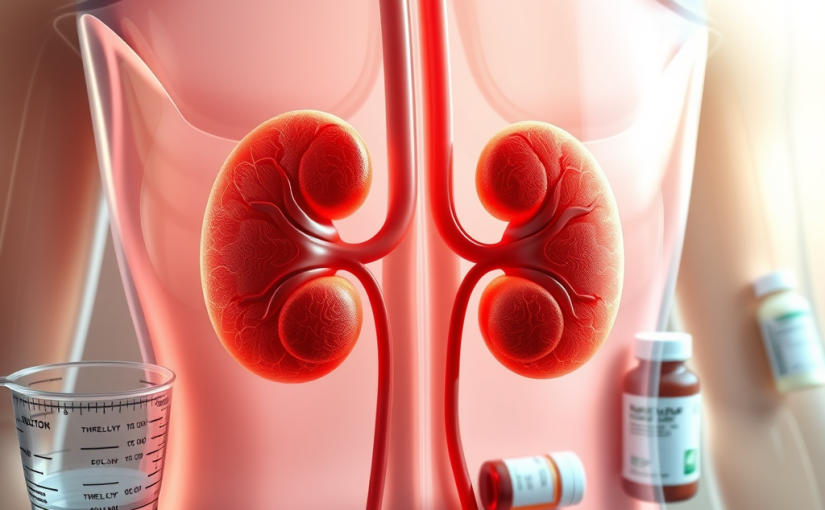
Chronic Kidney Disease: Understanding, Managing, and Living with Kidney Disease (A Complete Guide)

If you’re living with chronic kidney disease (CKD), you know it’s often called the “silent killer” because symptoms may not appear until significant damage has occurred. You might have discovered your diagnosis through routine blood work, feeling shocked that something so serious was happening without obvious warning signs. If you love someone with kidney disease, understanding that this condition affects every aspect of daily life – from what they can eat and drink to their energy levels and future planning – can help you provide meaningful support. Chronic kidney disease affects 37 million Americans, with millions more at risk, yet it remains one of the most misunderstood chronic conditions. Whether you’re newly diagnosed, managing advanced kidney disease, or supporting someone on this journey, this guide will provide the comprehensive information you need.

Living with chronic kidney disease means learning to think about your body in entirely new ways. Your kidneys, which you probably never thought about before, now require daily attention and careful management. It’s measuring fluid intake, reading every food label for hidden phosphorus, and taking handfuls of medications that protect your remaining kidney function. It’s the fatigue that feels different from just being tired, and the realization that your future may include dialysis or transplant – words that once seemed relevant only to other people.

Understanding Chronic Kidney Disease: The Silent Progression

What Are the Kidneys and What Do They Do?

Your kidneys are two bean-shaped organs, each about the size of a fist, located on either side of your spine below your ribcage. Most people are born with two kidneys, though you can live normally with one healthy kidney.

Essential kidney functions:

  • Filter waste and excess water from your blood to create urine
  • Balance electrolytes (sodium, potassium, phosphorus) in your body
  • Regulate blood pressure by controlling fluid balance and producing hormones
  • Produce red blood cells by making a hormone called erythropoietin (EPO)
  • Maintain bone health by activating vitamin D
  • Balance pH levels to keep your blood from becoming too acidic or basic

When kidneys don’t work properly, all of these functions are affected, which explains why kidney disease impacts so many aspects of health.

What Is Chronic Kidney Disease?

Chronic kidney disease (CKD) is the gradual loss of kidney function over months or years. Unlike acute kidney injury, which happens suddenly and may be reversible, CKD involves permanent damage that typically gets worse over time.

CKD is measured by estimated glomerular filtration rate (eGFR), which indicates how well your kidneys are filtering waste from your blood. Normal eGFR is 90 or higher.

The Five Stages of Chronic Kidney Disease

Stage 1 (eGFR 90+): Kidney damage with normal or high function

  • Often no symptoms
  • May have protein in urine or other signs of kidney damage
  • Focus on treating underlying causes and preventing progression

Stage 2 (eGFR 60-89): Kidney damage with mild decrease in function

  • Usually no symptoms
  • May have subtle changes in blood tests
  • Emphasis on slowing progression

Stage 3a (eGFR 45-59): Mild to moderate decrease in function Stage 3b (eGFR 30-44): Moderate to severe decrease in function

  • May start experiencing symptoms like fatigue
  • Complications like anemia and bone disease may begin
  • Preparation for potential need for kidney replacement therapy

Stage 4 (eGFR 15-29): Severe decrease in function

  • Symptoms become more noticeable
  • Preparation for dialysis or transplant becomes urgent
  • Specialist care is essential

Stage 5 (eGFR less than 15): Kidney failure

  • Kidneys function at less than 15% of normal
  • Dialysis or transplant needed to sustain life
  • Symptoms significantly impact quality of life

Common Causes of Chronic Kidney Disease

Diabetes: The leading cause of CKD, responsible for about 38% of cases

  • High blood sugar damages the small blood vessels in the kidneys
  • Can develop even with well-controlled diabetes
  • Both Type 1 and Type 2 diabetes can cause kidney disease

High blood pressure: The second leading cause, responsible for about 26% of cases

  • High pressure damages blood vessels throughout the kidneys
  • Can be both a cause and consequence of kidney disease
  • Often called “the silent killer” because it has no symptoms

Polycystic kidney disease: Inherited condition causing cysts to grow in kidneys

  • Most common genetic cause of kidney disease
  • Often runs in families
  • May not cause symptoms until middle age

Glomerulonephritis: Inflammation of the kidney’s filtering units

  • Can be caused by infections, autoimmune diseases, or other conditions
  • May develop suddenly or gradually over time

Other causes:

  • Autoimmune diseases like lupus
  • Certain medications taken long-term
  • Urinary tract problems present from birth
  • Kidney stones or repeated infections
  • Cancer treatments

The Reality: What Chronic Kidney Disease Actually Feels Like

The Physical Experience

Kidney disease symptoms often develop gradually and can be subtle:

Fatigue and weakness: This isn’t just being tired – it’s a bone-deep exhaustion that doesn’t improve with rest. As your kidneys fail to produce enough EPO, you become anemic, making you feel weak and short of breath during normal activities.

Swelling (edema): Fluid retention causes swelling in your feet, ankles, legs, or around your eyes. Your shoes might feel tight, rings might not fit, or you might notice your weight increasing rapidly over a few days.

Changes in urination: You might urinate more often, especially at night, or notice foam or bubbles in your urine (indicating protein). Some people urinate less frequently as kidney function declines.

Shortness of breath: This can happen from fluid buildup in your lungs or from anemia reducing your blood’s ability to carry oxygen.

Skin problems: Itching can be intense and persistent as waste products build up in your blood. Your skin might look pale from anemia or have a yellowish tint.

Taste changes: Food might taste metallic or lose its appeal entirely. You might develop persistent bad breath or a metallic taste in your mouth.

Nausea and vomiting: As toxins build up in your blood, you might feel nauseated, lose your appetite, or vomit.

Muscle cramps: Electrolyte imbalances can cause painful cramping, especially in your legs.

Sleep problems: You might have trouble falling asleep, staying asleep, or experience restless leg syndrome.

The Dietary Reality

Living with kidney disease means completely relearning how to eat:

Protein restrictions: While protein is essential, too much can burden damaged kidneys. You need to find the right balance – enough for health but not so much that it worsens kidney function.

Phosphorus limitations: Most foods contain phosphorus, but kidneys can’t remove excess when they’re damaged. High phosphorus levels can cause bone problems and calcium deposits in blood vessels.

Potassium restrictions: Damaged kidneys can’t remove excess potassium, which can cause dangerous heart rhythm problems. Many healthy foods like bananas, oranges, and potatoes become limited.

Sodium restrictions: Too much sodium causes fluid retention and raises blood pressure, both harmful to kidneys.

Fluid restrictions: In advanced kidney disease, you might need to limit all fluids – water, coffee, soup, ice cream – to prevent dangerous fluid overload.

The emotional impact of dietary restrictions: Food is social, cultural, and comforting. Having to avoid many favorite foods or eat smaller portions can feel isolating and depressing.

The Medication Complexity

Kidney disease often requires multiple medications:

  • Blood pressure medications to protect remaining kidney function
  • Phosphorus binders taken with meals to prevent mineral imbalances
  • Iron supplements or injections for anemia
  • Vitamin D supplements since kidneys can’t activate vitamin D properly
  • Medications to protect bones since kidney disease affects bone health
  • Adjustments to other medications since kidneys process many drugs

The daily reality: Taking 10-15 pills per day becomes normal. Some must be taken with food, others without. Timing becomes crucial, and forgetting doses can have serious consequences.

The Emotional Experience

Kidney disease creates unique psychological challenges:

Shock at diagnosis: Many people feel fine when diagnosed with early-stage kidney disease, making it hard to accept that something serious is wrong.

Grief for dietary freedom: Having to give up favorite foods or eat in restaurants with severe restrictions can feel like losing part of your identity.

Fear of the unknown: Dialysis and transplant can seem terrifying when you don’t understand what they involve.

Loss of control: Your body feels unreliable, and your future depends on how well treatments work.

Isolation: Others might not understand why you can’t eat certain foods or why you’re so tired.

Identity changes: Moving from “healthy” to “chronically ill” affects how you see yourself and your capabilities.

The Myths vs. Reality: What Chronic Kidney Disease Actually Is

Myth: “You can feel kidney disease developing”

Reality: Kidney disease is often called “silent” because symptoms typically don’t appear until 80-90% of kidney function is lost. Many people feel completely normal until they reach advanced stages.

Myth: “Kidney disease always leads to dialysis”

Reality: Many people with kidney disease never need dialysis. Early detection and proper management can slow or even stop progression. Some people maintain stable kidney function for decades.

Myth: “Drinking more water will cure kidney disease”

Reality: While staying hydrated is important, kidney disease involves permanent damage that can’t be reversed by drinking water. In advanced stages, too much fluid can actually be dangerous.

Myth: “Kidney disease only affects older people”

Reality: While more common with age, kidney disease can affect people of all ages, including children. Diabetes and high blood pressure, major causes of kidney disease, are increasing in younger populations.

Myth: “Dialysis means your life is over”

Reality: Many people on dialysis live full, active lives for years or decades. Dialysis is life-sustaining treatment that allows people to work, travel, and maintain relationships.

Myth: “You need a family member to donate a kidney”

Reality: While living donor transplants often come from family, many successful transplants come from deceased donors or non-related living donors. Some people receive kidneys from altruistic donors.

Myth: “Kidney disease is always caused by not taking care of yourself”

Reality: While lifestyle factors matter, kidney disease often results from genetics, autoimmune conditions, or complications of other diseases that aren’t within personal control.

Daily Life with Chronic Kidney Disease: What Management Really Looks Like

Early Stage Management (Stages 1-3)

The focus is on slowing progression and managing complications:

Blood pressure control: This is crucial for protecting remaining kidney function. Target blood pressure is usually lower than for people without kidney disease (typically less than 130/80).

Blood sugar management: If you have diabetes, tight glucose control can significantly slow kidney disease progression.

Lifestyle modifications:

  • Heart-healthy diet that’s also kidney-friendly
  • Regular exercise appropriate for your fitness level
  • Smoking cessation (smoking accelerates kidney disease)
  • Maintaining healthy weight
  • Limiting alcohol intake

Regular monitoring: Blood tests every 3-6 months to track kidney function, manage complications, and adjust medications.

Medication adjustments: Many medications need dose adjustments based on kidney function to prevent accumulation and toxicity.

Advanced Stage Management (Stages 4-5)

Preparation becomes crucial as kidney replacement therapy approaches:

Dietitian consultation: Working with renal dietitians becomes essential as dietary restrictions become more complex.

Anemia management: Regular monitoring and treatment with iron supplements, EPO injections, or blood transfusions when necessary.

Bone health: Calcium, phosphorus, and vitamin D management to prevent bone disease and dangerous calcium deposits.

Access planning: If dialysis becomes likely, creating vascular access (fistula or graft) months in advance allows time for healing.

Transplant evaluation: Beginning the evaluation process early, even before dialysis is needed, provides more options.

Education about treatment options: Learning about different types of dialysis and transplant to make informed decisions.

Managing Complications

Cardiovascular disease: Kidney disease dramatically increases heart disease risk, requiring aggressive management of blood pressure, cholesterol, and other risk factors.

Bone disease: Kidney disease affects how your body handles calcium, phosphorus, and vitamin D, leading to weak bones and dangerous calcium deposits in blood vessels.

Anemia: Treating low red blood cell counts with iron supplements, EPO injections, or blood transfusions when necessary.

Electrolyte imbalances: Monitoring and managing sodium, potassium, and phosphorus levels through diet and medications.

Fluid management: Balancing adequate hydration with preventing fluid overload, especially in later stages.

Treatment Options: From Conservative Management to Replacement Therapy

Conservative Management

For early to moderate kidney disease:

  • Medications to control blood pressure and protect kidneys
  • Diabetes management to prevent further damage
  • Dietary modifications to reduce kidney workload
  • Treatment of complications like anemia and bone disease
  • Lifestyle changes to support overall health

Conservative care for advanced kidney disease:

  • Some people choose to manage symptoms without dialysis or transplant
  • Focus on comfort, quality of life, and symptom management
  • Requires close coordination with healthcare team
  • May involve palliative care services

Dialysis

Hemodialysis:

  • Uses a machine to filter blood outside the body
  • Typically done 3 times per week for 3-4 hours per session
  • Requires vascular access (fistula, graft, or catheter)
  • Usually performed at dialysis centers, though home options exist

Peritoneal dialysis:

  • Uses the lining of your abdomen to filter blood inside your body
  • Done at home, usually while sleeping (automated) or throughout the day (manual)
  • Requires a catheter placed in your abdomen
  • Offers more flexibility and independence for many people

Choosing between dialysis types:

  • Depends on your lifestyle, medical conditions, and personal preferences
  • Both are effective life-sustaining treatments
  • Your healthcare team can help you understand the options

Kidney Transplant

Living donor transplant:

  • Kidney comes from a living person (family member, friend, or altruistic donor)
  • Often the best option with shorter wait times and better outcomes
  • Donor can live normally with one healthy kidney
  • Allows for planned surgery when recipient is in optimal health

Deceased donor transplant:

  • Kidney comes from someone who died and consented to organ donation
  • Wait times vary by blood type, antibody levels, and geographic location
  • Average wait time is 3-5 years but can be much longer
  • Requires being available for surgery on short notice

Transplant evaluation process:

  • Extensive medical, psychological, and social evaluation
  • Tests to ensure you’re healthy enough for surgery and ongoing immunosuppression
  • May take several months to complete
  • Results in being placed on transplant waiting list or recommendations for optimization

Preemptive Transplant

Getting a transplant before needing dialysis:

  • Best option when possible, with better long-term outcomes
  • Requires living donor or early placement on deceased donor list
  • Allows for planned surgery when you’re healthier
  • Avoids complications and lifestyle disruption of dialysis

For Family and Friends: How to Support Someone with Kidney Disease

Understanding the Hidden Nature of Kidney Disease

What family and friends need to know:

  • Kidney disease symptoms are often invisible, especially in early stages
  • Energy levels can vary dramatically from day to day
  • Dietary restrictions are medical necessities, not lifestyle choices
  • Treatment decisions are complex and deeply personal
  • The emotional impact is significant and ongoing

What TO Do

Support dietary changes:

  • Learn about kidney-friendly cooking and meal planning
  • Offer to help with grocery shopping or meal preparation
  • Choose kidney-friendly restaurants when eating out together
  • Don’t take it personally if they can’t eat foods you’ve prepared

Help with practical tasks:

  • Offer transportation to medical appointments and dialysis sessions
  • Assist with medication organization and reminders
  • Help with research about treatment options
  • Support them in advocating for their healthcare needs

Provide emotional support:

  • Listen without trying to fix everything
  • Allow them to express fear, frustration, or sadness about their condition
  • Continue to include them in social activities with appropriate accommodations
  • Be patient with their changing energy levels and limitations

Educate yourself:

  • Learn about kidney disease and treatment options
  • Understand the side effects of medications and treatments
  • Know the signs of complications that require immediate medical attention
  • Consider becoming a living kidney donor if you’re compatible and willing

What NOT to Do

Avoid these approaches:

  • Don’t police their diet or comment on what they eat
  • Don’t suggest unproven treatments or “miracle cures”
  • Don’t assume they can’t do things without asking them first
  • Don’t take their mood changes or need for rest personally
  • Don’t pressure them to choose specific treatments
  • Don’t compare them to other people with kidney disease

Supporting Different Treatment Choices

If they choose dialysis:

  • Understand that dialysis is life-sustaining, not optional
  • Respect their schedule and need for rest after treatments
  • Offer practical support like transportation or companionship
  • Learn about their specific type of dialysis and its requirements

If they’re considering transplant:

  • Support their decision to pursue evaluation
  • Consider living donation if you’re willing and compatible
  • Understand that transplant is major surgery with ongoing requirements
  • Help them prepare for the evaluation process and potential wait

If they choose conservative management:

  • Respect their decision to focus on quality of life over quantity
  • Support their symptom management and comfort measures
  • Help them access palliative care services if appropriate
  • Continue to provide emotional and practical support

Living with Dialysis: The Reality of Kidney Replacement Therapy

Hemodialysis Experience

What hemodialysis involves:

  • Arriving at the dialysis center 3 times per week
  • Getting weighed to determine fluid removal needs
  • Having two needles placed in your access site
  • Sitting connected to the machine for 3-4 hours
  • Monitoring for complications during treatment
  • Recovery time after each session

Physical effects of hemodialysis:

  • Fatigue and weakness, especially after treatments
  • Muscle cramps during or after dialysis
  • Low blood pressure causing dizziness
  • Headaches from fluid and electrolyte shifts
  • Access site soreness or complications

Lifestyle adjustments:

  • Planning activities around dialysis schedule
  • Dietary and fluid restrictions between treatments
  • Protecting your access site from injury
  • Dealing with fatigue and recovery time
  • Managing medications around dialysis sessions

Peritoneal Dialysis Experience

What peritoneal dialysis involves:

  • Learning to perform exchanges at home
  • Maintaining sterile technique to prevent infections
  • Managing supplies and equipment
  • Following precise schedules for fluid exchanges
  • Monitoring for complications like infections

Benefits of peritoneal dialysis:

  • More flexibility in scheduling
  • Ability to travel with proper planning
  • Gentler removal of toxins and fluid
  • Preservation of remaining kidney function
  • Greater independence and control

Challenges:

  • Risk of peritonitis (infection of the abdomen lining)
  • Body image changes from having a catheter
  • Storage space needed for supplies
  • Strict adherence to sterile technique
  • Gradual decline in effectiveness over time

Working and Traveling on Dialysis

Employment considerations:

  • Many people continue working while on dialysis
  • Scheduling dialysis around work commitments
  • Accommodations for fatigue and medical appointments
  • Understanding disability benefits if unable to work
  • Communicating with employers about treatment needs

Travel possibilities:

  • Arranging guest dialysis at destination facilities
  • Planning around treatment schedules
  • Coordinating insurance coverage for out-of-area treatment
  • Peritoneal dialysis offers more travel flexibility
  • Emergency planning for unexpected situations

Kidney Transplant: The Process and Reality

Pre-Transplant Evaluation

Medical evaluation:

  • Comprehensive physical examination and testing
  • Cardiac evaluation to ensure heart can handle surgery
  • Cancer screening to rule out active malignancies
  • Infection testing and vaccination updates
  • Psychological evaluation to assess readiness

Social evaluation:

  • Assessment of support system and ability to follow complex medical regimen
  • Financial evaluation for ongoing medication costs
  • Discussion of lifestyle factors that affect transplant success
  • Education about post-transplant requirements and expectations

Living Donation Process

For potential living donors:

  • Medical evaluation to ensure one kidney can be safely removed
  • Psychological evaluation to ensure donation is voluntary
  • Education about risks and benefits of donation
  • Legal protections to prevent coercion
  • Recovery time of several weeks to months

Benefits of living donation:

  • Shorter wait times for recipients
  • Better long-term outcomes
  • Planned surgery when recipient is healthiest
  • Kidney begins working immediately in most cases

Post-Transplant Life

Immediate post-transplant period:

  • Hospital stay of several days to weeks
  • High doses of immunosuppressive medications
  • Frequent medical appointments and lab work
  • Monitoring for rejection and complications
  • Gradual return to normal activities over months

Long-term post-transplant management:

  • Lifelong immunosuppressive medications
  • Regular monitoring for rejection, infections, and medication side effects
  • Increased risk of certain cancers and infections
  • Need for ongoing follow-up care
  • Lifestyle modifications to protect transplant function

Quality of life after transplant:

  • Most people feel significantly better than on dialysis
  • Return to work, travel, and normal activities
  • Ability to eat and drink more freely
  • Improved energy levels and overall health
  • Need to balance freedom with ongoing medical responsibilities

Frequently Asked Questions

Can kidney disease be reversed? While kidney damage is usually permanent, progression can often be slowed or stopped with proper treatment. Some acute kidney injuries can be reversed, but chronic kidney disease involves permanent changes.

How long can you live on dialysis? This varies greatly by age, overall health, and other medical conditions. Some people live more than 20 years on dialysis, while others may have shorter lifespans due to complications or other health issues.

What foods should I avoid with kidney disease? This depends on your stage of kidney disease and lab values. Common restrictions include foods high in potassium, phosphorus, and sodium. Working with a renal dietitian provides personalized guidance.

Can I exercise with kidney disease? Most people with kidney disease benefit from appropriate exercise. The type and intensity depend on your stage of disease and overall health. Check with your healthcare team before starting new exercise programs.

How do I know if I need to start dialysis? The decision involves multiple factors including kidney function, symptoms, nutrition status, and quality of life. It’s not based solely on lab values but on overall assessment by your healthcare team.

What happens if I don’t want dialysis or transplant? Conservative management focusing on symptom control and quality of life is a valid choice. This requires close coordination with healthcare providers and may involve palliative care services.

Resources for Kidney Disease Support

Professional Organizations

National Kidney Foundation: kidney.org – Comprehensive kidney disease information and local resources

American Kidney Fund: kidneyfund.org – Financial assistance and educational resources

National Institute of Diabetes and Digestive and Kidney Diseases: niddk.nih.gov – Government health information and research

DaVita Kidney Care: davita.com – Dialysis provider with extensive patient education resources

Support and Advocacy

Dialysis Patient Citizens: dialysispatients.org – Patient advocacy and policy work

American Association of Kidney Patients: aakp.org – Patient support and education

National Kidney Registry: kidneyregistry.org – Facilitates kidney exchanges for incompatible donors

RSN (Renal Support Network): rsnhope.org – Peer support and education programs

Financial and Practical Support

American Kidney Fund: Provides financial assistance for treatment-related expenses

Medicare: Covers dialysis and transplant for people with kidney failure

Pharmaceutical company patient assistance programs: Help with medication costs

Social services: Hospital social workers can connect you with local resources

Online Communities

Kidney disease support groups: Both condition-specific and general chronic illness communities

IHateDialysis.com: Online forum for people on dialysis

Transplant support groups: For people waiting for or living with transplants

DaVita Village: Online community for people with kidney disease

The Bottom Line

Chronic kidney disease is a serious but manageable condition that affects millions of people. While the diagnosis can be frightening and the lifestyle changes challenging, many people with kidney disease live full, meaningful lives for decades.

Key truths about kidney disease:

  • Early detection and treatment can significantly slow progression
  • Modern treatments including dialysis and transplant are highly effective
  • Lifestyle modifications can make a substantial difference in outcomes
  • Support is available from healthcare teams, family, friends, and other patients
  • You have choices about treatment options that fit your values and lifestyle
  • Technology and treatment options continue to improve

Remember:

  • Kidney disease progression isn’t always predictable – some people maintain stable function for years
  • Treatment decisions are personal and should reflect your values and goals
  • It’s normal to feel overwhelmed by dietary restrictions and medication regimens initially
  • Many people find meaning and community through their kidney disease experience
  • Your healthcare team is there to support you through all stages of the disease
  • Taking an active role in your care can improve both outcomes and quality of life

Whether you’re newly diagnosed with early-stage kidney disease, managing advanced kidney disease, or living with dialysis or a transplant, know that you have more control over your outcomes than you might realize. The choices you make about treatment, diet, exercise, and self-care can significantly impact your quality of life and disease progression.

Kidney disease may have changed your life, but it doesn’t have to define your future. With proper medical care, lifestyle modifications, and support from others, it’s possible to live well with kidney disease at any stage.


Living with kidney disease or supporting someone who is? Share your experiences and helpful strategies in the comments below. Your insights might help others navigating their kidney health journey.

Heart Disease: Understanding, Managing, and Living with Cardiovascular Conditions (A Complete Guide)

If you live with heart disease, you know it’s not just about surviving a heart attack – it’s about the daily awareness that your heart needs careful attention, the anxiety that comes with every chest twinge, and the complex medication regimens that become part of your routine. If you love someone with heart disease, understanding that recovery is ongoing and that fear is a constant companion can help you provide meaningful support. Heart disease affects over 6.2 million Americans and is the leading cause of death globally, yet many people don’t understand what it means to live with this chronic condition day by day. Whether you’re newly diagnosed, managing heart disease long-term, or supporting someone on this journey, this guide will provide the comprehensive information you need.

Living with heart disease means every day starts with a mental check-in: How does my chest feel? Are these palpitations normal? Did I take my medications? It’s the constant awareness that your heart – the organ you never had to think about before – now requires daily attention and care. It’s learning to read your body’s signals in new ways and living with the knowledge that your heart has changed, even when you feel fine.

Understanding Heart Disease: More Than Just Heart Attacks

What Is Heart Disease?

Heart disease, also called cardiovascular disease, refers to a range of conditions that affect the heart and blood vessels. While many people think of heart disease as just heart attacks, it actually encompasses many different conditions that can affect how your heart functions over time.

Heart disease is often a chronic condition that requires ongoing management, not just a one-time event. Even after successful treatment of acute problems like heart attacks, most people continue to live with some form of cardiovascular condition that needs daily attention.

The Most Common Types of Heart Disease

Coronary Artery Disease (CAD):

  • Narrowing or blockage of the arteries that supply blood to the heart muscle
  • Most common type of heart disease
  • Can lead to chest pain (angina), heart attacks, and heart failure
  • Often managed with medications, lifestyle changes, and procedures

Heart Failure:

  • The heart can’t pump blood effectively to meet the body’s needs
  • Doesn’t mean the heart has stopped working completely
  • Can affect the left side, right side, or both sides of the heart
  • Symptoms include shortness of breath, fatigue, and fluid retention

Arrhythmias:

  • Irregular heartbeats – too fast, too slow, or irregular rhythm
  • Can range from harmless to life-threatening
  • May cause palpitations, dizziness, or fainting
  • Often managed with medications or devices like pacemakers

Heart Valve Disease:

  • Problems with one or more of the heart’s four valves
  • Valves may not open properly (stenosis) or close properly (regurgitation)
  • Can be present from birth or develop over time
  • May require monitoring or surgical repair/replacement

Cardiomyopathy:

  • Disease of the heart muscle itself
  • Can be dilated, hypertrophic, or restrictive
  • May be inherited or acquired
  • Can lead to heart failure or sudden cardiac death

Risk Factors and Causes

Non-modifiable risk factors:

  • Age (risk increases with age)
  • Gender (men at higher risk earlier; women’s risk increases after menopause)
  • Family history and genetics
  • Race and ethnicity (higher rates in some populations)

Modifiable risk factors:

  • High blood pressure
  • High cholesterol
  • Diabetes
  • Smoking
  • Obesity
  • Physical inactivity
  • Poor diet
  • Excessive alcohol use
  • Chronic stress

Understanding that heart disease often develops over many years helps explain why management becomes a lifelong process.

The Reality: What Heart Disease Actually Feels Like

The Physical Experience

Heart disease affects your body in ways that aren’t always obvious:

Chest sensations: Not all chest pain feels like the classic “elephant sitting on your chest.” It might be pressure, tightness, aching, burning, or sharp pains. Some people describe it as feeling like heartburn or muscle strain. The uncertainty about whether chest sensations are serious creates constant anxiety.

Shortness of breath: This can range from mild breathlessness during exertion to feeling winded after simple activities like walking up stairs or carrying groceries. Some people experience shortness of breath while lying flat or wake up gasping for air.

Fatigue: Heart disease fatigue is different from normal tiredness. It’s a deep exhaustion that doesn’t improve with rest. Simple activities that used to be easy become overwhelming. You might feel tired even after sleeping all night.

Palpitations: Feeling your heartbeat when you normally wouldn’t notice it. It might feel like your heart is racing, skipping beats, fluttering, or pounding. While often harmless, they can be frightening when you have heart disease.

Swelling: Fluid retention in legs, ankles, feet, or abdomen. Your shoes might feel tight, or you might notice your weight increasing rapidly over a few days.

Other symptoms: Dizziness, lightheadedness, nausea, cold sweats, or pain that radiates to the arms, neck, jaw, or back.

The Emotional Experience

Living with heart disease creates unique psychological challenges:

Health anxiety: Every chest twinge becomes a potential emergency. You might find yourself constantly monitoring your heart rate, blood pressure, or symptoms. The fear of another cardiac event can be overwhelming.

Hypervigilance: Becoming extremely aware of every sensation in your body. Normal variations in heart rate or minor aches become sources of worry.

Loss of confidence: Feeling like your body has betrayed you. The heart, which worked reliably for years without thought, now feels unreliable and fragile.

Identity changes: Shifting from seeing yourself as healthy to identifying as someone with a serious medical condition. This can affect how you view your capabilities and future.

Anticipatory anxiety: Worrying about future cardiac events, especially during physical activity, stress, or when symptoms occur.

The Social and Lifestyle Impact

Heart disease affects every aspect of daily life:

Activity limitations: You might need to modify exercise routines, avoid certain activities, or take more breaks during physical tasks. This can affect work, hobbies, and social activities.

Medication schedules: Taking multiple medications at specific times becomes part of your daily routine. Some medications have side effects that affect how you feel.

Dietary changes: Following heart-healthy diets often means giving up favorite foods or learning new ways of cooking and eating.

Sleep changes: Some people sleep with their head elevated to help with breathing, or wake up frequently to check symptoms.

Travel considerations: Planning around medication schedules, ensuring access to medical care, and managing anxiety about being away from familiar healthcare providers.

The Myths vs. Reality: What Heart Disease Actually Is

Myth: “Heart disease only affects older men”

Reality: Heart disease affects people of all ages and genders. Women’s symptoms are often different and may be overlooked. Young people can have heart disease, especially with certain conditions or risk factors.

Myth: “If you survive a heart attack, you’re cured”

Reality: Most people who have heart attacks continue to live with coronary artery disease that requires ongoing management. The underlying condition that caused the heart attack usually still needs treatment.

Myth: “Heart disease means you can’t exercise or be active”

Reality: Most people with heart disease benefit from appropriate exercise. Cardiac rehabilitation programs help people safely return to physical activity. The key is finding the right type and amount of exercise for your condition.

Myth: “Heart disease is just about diet and lifestyle”

Reality: While lifestyle factors are important, heart disease often involves genetics, age, and other factors beyond personal control. Some people develop heart disease despite healthy lifestyles.

Myth: “All chest pain in people with heart disease is a heart attack”

Reality: People with heart disease can have chest pain from many causes – muscle strain, anxiety, acid reflux, or stable angina that doesn’t indicate a heart attack. Learning to distinguish different types of chest discomfort is part of management.

Myth: “Heart medications are dangerous and should be avoided”

Reality: Modern heart medications are generally safe and have been proven to save lives and improve quality of life. The risks of untreated heart disease usually far outweigh medication risks.

Myth: “People with heart disease should avoid stress completely”

Reality: While managing stress is important, completely avoiding stress is impossible and can actually increase anxiety. Learning healthy stress management techniques is more beneficial than stress avoidance.

Heart Disease and Other Chronic Conditions

The Connection with Other Health Problems

Heart disease rarely exists in isolation:

Diabetes: Significantly increases heart disease risk and complicates management. Blood sugar control becomes crucial for heart health.

High blood pressure: Often called the “silent killer” because it has no symptoms but damages arteries over time. Managing blood pressure is critical for heart disease prevention and treatment.

High cholesterol: Contributes to plaque buildup in arteries. Often requires both medication and lifestyle changes to control.

Kidney disease: The heart and kidneys work closely together. Heart disease can affect kidney function, and kidney disease can worsen heart problems.

Sleep apnea: Common in people with heart disease and can worsen cardiovascular conditions. Treatment often improves both sleep and heart health.

Depression and anxiety: Very common in people with heart disease. The relationship is bidirectional – heart disease increases risk of depression, and depression can worsen heart disease outcomes.

Managing Multiple Conditions

The complexity of multiple chronic conditions:

  • Multiple medications that may interact with each other
  • Different specialists who may not always communicate
  • Competing dietary recommendations
  • Overlapping symptoms that make it hard to know what’s causing what
  • Insurance and healthcare coordination challenges

Daily Life with Heart Disease: What Management Really Looks Like

Morning Routines

Living with heart disease often changes how you start your day:

  • Taking medications at specific times, often before eating
  • Checking weight daily (sudden weight gain can indicate fluid retention)
  • Monitoring blood pressure or heart rate if recommended
  • Assessing how you’re feeling and planning the day accordingly
  • Taking medications that may affect energy levels or mood

Medication Management

Heart disease often requires multiple medications:

Common types of heart medications:

  • Blood thinners to prevent clots
  • Blood pressure medications to reduce strain on the heart
  • Cholesterol medications to prevent further artery damage
  • Heart rhythm medications to control irregular heartbeats
  • Diuretics to prevent fluid buildup

Daily medication reality:

  • Taking pills multiple times per day
  • Managing side effects like dizziness, fatigue, or digestive issues
  • Regular blood tests to monitor medication levels and effects
  • Coordinating with pharmacies for refills and insurance coverage
  • Carrying medications when traveling or away from home

Activity and Exercise

Finding the right balance:

  • Learning which activities are safe and beneficial
  • Recognizing warning signs that mean you should stop exercising
  • Participating in cardiac rehabilitation programs when appropriate
  • Modifying favorite activities to make them heart-safe
  • Dealing with frustration when you can’t do things you used to do

Exercise considerations:

  • Starting slowly and gradually increasing intensity
  • Monitoring heart rate during activity
  • Knowing when to rest and when to push a little
  • Having emergency plans during exercise
  • Finding activities you enjoy that are also heart-healthy

Dietary Changes

Heart-healthy eating often requires significant changes:

  • Reducing sodium to help control blood pressure and fluid retention
  • Limiting saturated and trans fats
  • Eating more fruits, vegetables, and whole grains
  • Managing portion sizes
  • Reading food labels carefully
  • Planning meals and snacks
  • Navigating social eating situations
  • Dealing with cravings for foods you’re supposed to limit

Sleep and Rest

Heart disease can affect sleep in various ways:

  • Some people need to sleep with their head elevated
  • Medications may affect sleep quality
  • Anxiety about heart symptoms can interfere with sleep
  • Sleep apnea treatment may be necessary
  • Balancing rest needs with staying active

Work and Career

Heart disease can impact professional life:

  • Taking time off for medical appointments and procedures
  • Managing fatigue during work hours
  • Requesting accommodations like flexible schedules or reduced physical demands
  • Dealing with stress at work when stress management is crucial for heart health
  • Navigating disability benefits if work capacity is significantly affected

Treatment Options: A Comprehensive Approach

Lifestyle Modifications

The foundation of heart disease management:

Dietary changes:

  • Following heart-healthy eating patterns like the Mediterranean diet
  • Working with registered dietitians for personalized meal planning
  • Learning to cook in new ways that reduce sodium and unhealthy fats
  • Managing weight if recommended by healthcare providers

Physical activity:

  • Participating in cardiac rehabilitation programs
  • Starting with supervised exercise and gradually increasing independence
  • Finding activities that are enjoyable and sustainable
  • Learning to monitor intensity and recognize warning signs

Stress management:

  • Learning relaxation techniques like deep breathing and meditation
  • Participating in counseling or therapy to address anxiety and depression
  • Building social support networks
  • Making lifestyle changes to reduce unnecessary stressors

Smoking cessation:

  • Using medications, counseling, or other proven methods to quit smoking
  • Avoiding secondhand smoke
  • Understanding that quitting smoking is one of the most important things you can do for heart health

Medications

Different classes of medications target different aspects of heart disease:

Antiplatelet agents (blood thinners):

  • Aspirin, clopidogrel (Plavix), or other medications to prevent blood clots
  • Regular monitoring to balance clot prevention with bleeding risk

ACE inhibitors and ARBs:

  • Help relax blood vessels and reduce blood pressure
  • Protect the heart muscle and kidneys
  • Common examples: lisinopril, metoprolol, losartan

Beta-blockers:

  • Slow heart rate and reduce blood pressure
  • Help the heart work more efficiently
  • May cause fatigue but significantly improve outcomes

Statins:

  • Lower cholesterol and stabilize plaque in arteries
  • Examples: atorvastatin (Lipitor), simvastatin (Zocor)
  • Regular blood tests to monitor liver function

Diuretics:

  • Help remove excess fluid from the body
  • Reduce swelling and shortness of breath
  • May require monitoring of kidney function and electrolytes

Procedures and Interventions

When medications and lifestyle changes aren’t enough:

Angioplasty and stenting:

  • Opening blocked arteries with a balloon and placing a small mesh tube (stent)
  • Usually done as an outpatient procedure
  • Requires blood thinners and follow-up care

Bypass surgery:

  • Creating new routes for blood to flow around blocked arteries
  • Major surgery requiring weeks of recovery
  • Very effective for certain types of blockages

Device implantation:

  • Pacemakers for slow heart rhythms
  • Defibrillators for dangerous fast rhythms
  • Heart failure devices to help the heart pump more effectively

Valve repair or replacement:

  • Fixing or replacing damaged heart valves
  • Can often be done with less invasive techniques now

Cardiac Rehabilitation

Structured programs to help recovery and long-term management:

  • Supervised exercise training
  • Education about heart disease and risk factors
  • Nutritional counseling
  • Stress management techniques
  • Support from others with heart disease
  • Monitoring by healthcare professionals during exercise

Emergency Situations: When to Seek Immediate Help

Recognizing Heart Attack Symptoms

Classic symptoms:

  • Chest pain or pressure that lasts more than a few minutes
  • Pain that spreads to arms, neck, jaw, or back
  • Shortness of breath
  • Cold sweats, nausea, or lightheadedness

Atypical symptoms (especially common in women):

  • Unusual fatigue
  • Nausea or vomiting
  • Back or jaw pain
  • Shortness of breath without chest pain
  • Feeling of impending doom

When in doubt, call 911: It’s better to be checked and find out it’s not a heart attack than to ignore symptoms and have a heart attack go untreated.

Other Emergency Situations

When to seek immediate medical attention:

  • Severe chest pain that doesn’t improve with rest or medications
  • Sudden, severe shortness of breath
  • Fainting or near-fainting episodes
  • Rapid weight gain (more than 3 pounds in a day or 5 pounds in a week)
  • Severe swelling in legs, ankles, or abdomen
  • Heart rate over 100 or under 60 (unless normal for you)

Emergency Preparedness

Being prepared for cardiac emergencies:

  • Keeping emergency contact information readily available
  • Having a list of current medications and medical conditions
  • Knowing the location of the nearest emergency room
  • Carrying emergency medications if prescribed
  • Wearing medical alert jewelry
  • Teaching family members about your condition and warning signs

For Family and Friends: How to Support Someone with Heart Disease

Understanding the Reality

What family and friends need to know:

  • Heart disease is often a chronic condition requiring ongoing management
  • Recovery from cardiac events can take months, not weeks
  • Anxiety about heart symptoms is normal and understandable
  • Lifestyle changes affect the whole family, not just the patient
  • Support and encouragement make a significant difference in outcomes

What TO Do

Provide emotional support:

  • Listen to their fears and concerns without minimizing them
  • Learn about their specific type of heart disease
  • Attend medical appointments when invited
  • Encourage them to follow their treatment plan
  • Be patient with their recovery process

Support lifestyle changes:

  • Make dietary changes as a family when possible
  • Find heart-healthy activities you can do together
  • Help create a low-stress environment at home
  • Support their exercise routine without being pushy
  • Help them remember medications and appointments

Be prepared for emergencies:

  • Learn the signs of heart attack and other cardiac emergencies
  • Know how to call for help and what information to provide
  • Keep emergency contact information easily accessible
  • Learn CPR if appropriate
  • Know the location of their medications and medical information

What NOT to Do

Avoid these approaches:

  • Don’t minimize their symptoms or tell them they’re overreacting
  • Don’t pressure them to “get back to normal” before they’re ready
  • Don’t make their heart disease about your fears and anxieties
  • Don’t police their diet or exercise in a controlling way
  • Don’t assume they can’t do things without asking them first
  • Don’t take their mood changes or limitations personally

Supporting Different Aspects of Recovery

For physical recovery:

  • Understand that fatigue is real and may last months
  • Help with household tasks without taking over completely
  • Encourage gradual return to activities
  • Support their participation in cardiac rehabilitation

For emotional adjustment:

  • Acknowledge that heart disease can be traumatic
  • Support counseling or therapy if they’re interested
  • Be patient with anxiety about symptoms
  • Help them maintain social connections and activities they enjoy

For lifestyle changes:

  • Make heart-healthy changes together when possible
  • Support their dietary restrictions without making them feel deprived
  • Find new activities and hobbies that are heart-safe
  • Help them manage stress and avoid unnecessary stressors

Living Well with Heart Disease: Long-Term Management

Building Your Healthcare Team

Key members of your heart disease management team:

  • Primary care physician for overall health management
  • Cardiologist for specialized heart care
  • Cardiac rehabilitation team for exercise and education
  • Pharmacist for medication management
  • Registered dietitian for nutrition guidance
  • Mental health counselor for emotional support
  • Other specialists as needed (endocrinologist for diabetes, etc.)

Developing Self-Management Skills

Learning to manage your condition effectively:

  • Understanding your specific type of heart disease
  • Learning to recognize your symptoms and when they’re concerning
  • Developing medication routines that work with your lifestyle
  • Creating exercise habits that are safe and enjoyable
  • Building stress management techniques into daily life
  • Monitoring important numbers like weight, blood pressure, and heart rate

Medication Adherence

Making medications part of your routine:

  • Using pill organizers or medication apps
  • Setting reminders on your phone
  • Understanding why each medication is important
  • Communicating with your healthcare team about side effects
  • Never stopping medications without medical supervision
  • Planning ahead for refills and insurance issues

Regular Monitoring and Follow-up

Staying on top of your heart health:

  • Keeping all scheduled appointments with healthcare providers
  • Getting recommended blood tests and imaging studies
  • Tracking important measurements at home when advised
  • Reporting new or worsening symptoms promptly
  • Participating in recommended screening for other conditions

Building a Support Network

Creating comprehensive support:

  • Family and friends who understand your condition
  • Healthcare providers you trust and communicate well with
  • Support groups for people with heart disease
  • Community resources for heart-healthy activities
  • Online communities for education and connection

Frequently Asked Questions

Will I ever feel normal again after a heart attack or heart surgery? Many people do return to feeling well, but it takes time – often months. Your “new normal” may be different from before, but most people can live full, active lives with proper treatment and lifestyle changes.

Can I exercise if I have heart disease? Most people with heart disease benefit from appropriate exercise. The key is working with your healthcare team to determine what’s safe for your specific condition and starting gradually.

Will I need to take heart medications for the rest of my life? This depends on your specific condition, but many people with heart disease do take medications long-term. These medications have been proven to prevent future cardiac events and improve quality of life.

How do I know if chest pain is serious? When in doubt, seek medical attention. Learn the characteristics of your typical chest discomfort versus new or different pain. Any severe, prolonged, or concerning chest pain should be evaluated promptly.

Can stress really affect my heart? Yes, chronic stress can worsen heart disease and acute stress can trigger cardiac events in susceptible people. Learning stress management techniques is an important part of heart disease treatment.

Is it safe to travel with heart disease? Most people with stable heart disease can travel safely with proper planning. Discuss travel plans with your healthcare provider, especially for long trips or international travel.

Resources for Heart Disease Support

Professional Organizations

American Heart Association: heart.org – Comprehensive heart disease information, local resources, and support groups

American College of Cardiology: cardiosmart.org – Patient education materials and tools for heart health

National Heart, Lung, and Blood Institute: nhlbi.nih.gov – Government health information and research updates

Support and Education

WomenHeart: womenheart.org – Support network for women with heart disease

Mended Hearts: mendedhearts.org – Peer support groups across the country

CardioSmart: Patient education platform with tools and resources

Local cardiac rehabilitation programs: Ask your cardiologist for referrals

Emergency Resources

Emergency services: Call 911 for any suspected cardiac emergency

American Red Cross: redcross.org – CPR and first aid training

Heart attack action plan: Work with your healthcare team to create a personalized emergency plan

Apps and Tools

Heart disease management apps: For tracking medications, symptoms, and vital signs

Nutrition apps: For following heart-healthy eating plans

Exercise apps: For cardiac rehabilitation and heart-safe fitness routines

The Bottom Line

Living with heart disease is challenging, but millions of people manage their condition successfully and live full, meaningful lives. Heart disease is often a chronic condition that requires ongoing attention, but it doesn’t have to define or limit your entire existence.

Key truths about heart disease:

  • It’s often manageable with proper treatment and lifestyle changes
  • Recovery and adjustment take time – be patient with yourself
  • You’re not alone – support is available from healthcare providers, family, friends, and other people with heart disease
  • Small changes in lifestyle can make big differences in outcomes
  • Modern treatments are very effective at preventing future cardiac events
  • Many people live for decades after heart attack or heart surgery

Remember:

  • Your symptoms and concerns are valid – always seek help when worried
  • Taking medications and following treatment plans can save your life
  • Lifestyle changes may feel overwhelming at first, but they become easier over time
  • It’s normal to feel anxious about your heart – this often improves with time and support
  • You can still pursue your goals and dreams with heart disease
  • Each day you take care of your heart is an investment in your future

Heart disease may have changed your life, but it doesn’t have to end your hopes and dreams. With proper treatment, support, and self-care, most people with heart disease can continue to work, travel, exercise, and enjoy time with loved ones.

Whether you’re newly diagnosed, recovering from a cardiac event, or managing heart disease long-term, remember that you have more control over your outcomes than you might think. The choices you make each day about medications, diet, exercise, and stress management can significantly impact your quality of life and long-term prognosis.

You’re stronger than you know, and with the right support and treatment, you can thrive with heart disease.


Living with heart disease or supporting someone who is? Share your experiences and helpful strategies in the comments below. Your insights might help others navigating their own heart health journey.

Type 1 Diabetes: What You Really Need to Know (And What Your Family Should Understand)

Living with Type 1 diabetes means your pancreas has stopped producing insulin – period. There’s no “managing it with diet” or “reversing it naturally.” It’s a 24/7 balancing act that requires constant vigilance, multiple daily injections or an insulin pump, and split-second decisions about food, exercise, and medication. Whether you’ve just been diagnosed, have been living with T1D for years, or love someone with Type 1 diabetes, this guide will give you the complete picture of what this autoimmune condition really means.

What Is Type 1 Diabetes? (The Real Story)

Type 1 diabetes is an autoimmune condition where your body’s immune system mistakenly attacks and destroys the beta cells in your pancreas that produce insulin. Without these cells, your body produces little to no insulin, which is essential for survival.

Think of insulin as the key that unlocks your cells so glucose can enter and provide energy. Without insulin, glucose builds up in your blood while your cells literally starve for energy. This is why people with Type 1 diabetes must take insulin every single day – it’s not optional, it’s life-sustaining medication.

Key Facts:

  • Type 1 diabetes affects about 1.9 million Americans, including 244,000 children and adolescents
  • It accounts for 5-10% of all diabetes cases
  • It can be diagnosed at any age, but peaks in childhood and early adulthood
  • It’s completely different from Type 2 diabetes and cannot be prevented or reversed
  • Without insulin, Type 1 diabetes is fatal

The Myths vs. Reality: What Type 1 Diabetes Actually Is

Myth: “Type 1 diabetes is caused by eating too much sugar”

Reality: Type 1 diabetes is an autoimmune condition triggered by a combination of genetic predisposition and environmental factors (possibly viruses). Diet has nothing to do with causing it.

Myth: “Type 1 diabetes only affects children”

Reality: While often diagnosed in childhood (hence the old name “juvenile diabetes”), Type 1 can develop at any age. About 25% of people with Type 1 are diagnosed as adults.

Myth: “People with Type 1 diabetes can’t eat sugar or carbs”

Reality: People with Type 1 diabetes can eat anything, including sweets and carbohydrates. They just need to match their insulin dose to what they’re eating.

Myth: “Type 1 diabetes isn’t as serious because you just take insulin”

Reality: Type 1 diabetes is extremely serious and complex to manage. Taking insulin isn’t like taking a vitamin – it requires precise dosing, timing, and constant monitoring to avoid life-threatening complications.

Myth: “If you take good care of yourself, you won’t have complications”

Reality: While excellent management significantly reduces risk, complications can still occur even with perfect care. The unpredictable nature of Type 1 diabetes means blood sugars can fluctuate despite doing everything right.

Myth: “Insulin cures diabetes”

Reality: Insulin is life-sustaining treatment, not a cure. People with Type 1 diabetes will need insulin for their entire lives unless a cure is found.

What Type 1 Diabetes Symptoms Actually Feel Like

The onset of Type 1 diabetes is often rapid and dramatic, especially in children. Here’s what those textbook symptoms actually feel like:

Extreme thirst (polydipsia): Imagine the most intense thirst you’ve ever experienced after being in the desert or working out hard – then multiply that by ten. No amount of water satisfies it. You might drink gallons of fluid and still feel parched.

Frequent urination (polyuria): You’re urinating every 15-30 minutes, including waking up multiple times at night. The volume is enormous – not just frequent trips, but large amounts each time.

Rapid weight loss: Losing 10-20+ pounds in a matter of weeks despite eating normally or even more than usual. Your clothes suddenly don’t fit, and people comment on how thin you look.

Extreme fatigue: This isn’t normal tiredness. It’s bone-deep exhaustion where you can barely keep your eyes open, struggle to concentrate, and feel like you’re moving through thick fog.

Fruity breath odor: A sweet, nail polish remover-like smell on the breath caused by ketones (a dangerous sign that requires immediate medical attention).

Nausea and vomiting: Especially as ketones build up, leading to diabetic ketoacidosis (DKA), a life-threatening emergency.

Blurred vision: Objects appear fuzzy or out of focus due to glucose affecting the lens of the eye.

Unlike Type 2 diabetes, these symptoms develop quickly – often over days or weeks rather than months or years.

How Type 1 Diabetes Is Diagnosed

Blood Tests:

Random blood glucose: A level over 200 mg/dL with symptoms indicates diabetes.

A1C test: Shows average blood glucose over 2-3 months. An A1C of 6.5% or higher indicates diabetes.

Fasting blood glucose: After not eating for 8+ hours, a level of 126 mg/dL or higher indicates diabetes.

Autoantibody Tests:

These help distinguish Type 1 from Type 2 diabetes by detecting antibodies that attack pancreatic beta cells:

  • GAD antibodies
  • IA-2 antibodies
  • ZnT8 antibodies
  • Insulin autoantibodies

C-peptide Test:

Measures how much insulin your pancreas produces. Low or absent C-peptide confirms Type 1 diabetes.

Ketone Testing:

Checks for ketones in blood or urine. High ketones indicate diabetic ketoacidosis, a medical emergency requiring immediate hospitalization.

Daily Life with Type 1 Diabetes: What Management Really Looks Like

Living with Type 1 diabetes means making complex medical decisions dozens of times every day that most people never have to think about.

Insulin Management

Multiple Daily Injections (MDI): Taking 4-6+ insulin shots daily:

  • Long-acting insulin (once or twice daily) for baseline coverage
  • Rapid-acting insulin before each meal and snack
  • Correction doses when blood sugar is high
  • Learning to rotate injection sites to prevent lipodystrophy

Insulin Pump Therapy: A small device that delivers insulin continuously through a thin tube inserted under the skin:

  • Programming different basal (background) insulin rates for different times of day
  • Calculating and delivering bolus doses for meals
  • Changing infusion sites every 2-3 days
  • Troubleshooting pump malfunctions and having backup supplies

Blood Sugar Monitoring

Traditional Glucose Meters: Pricking fingers 6-10+ times daily:

  • Before each meal and snack
  • 2 hours after eating
  • Before bed
  • Middle of the night (especially for children)
  • Anytime you feel “off” or suspect high/low blood sugar
  • Before, during, and after exercise

Continuous Glucose Monitors (CGMs): Sensors that check glucose every few minutes:

  • Real-time glucose readings on a receiver or smartphone
  • Alerts for high and low blood sugars
  • Trend arrows showing if glucose is rising, falling, or stable
  • Still requires finger stick calibrations and confirmations

Carbohydrate Counting and Dosing

Every meal requires mathematical calculations:

  • Reading nutrition labels and measuring portions precisely
  • Calculating total carbohydrates in the meal
  • Determining insulin-to-carb ratio (varies by person and time of day)
  • Accounting for protein and fat that can affect blood sugar hours later
  • Adjusting for exercise, illness, stress, hormones, and sleep

Exercise Management

Physical activity dramatically affects blood sugar, requiring careful planning:

  • Checking blood sugar before, during, and after exercise
  • Adjusting insulin doses or eating extra carbs to prevent dangerous lows
  • Carrying glucose tablets and emergency supplies during activities
  • Learning how different types of exercise affect your blood sugar differently
  • Managing post-exercise blood sugar spikes or drops hours later

Treatment Options: More Complex Than Just Insulin

Insulin Types and Regimens

Rapid-acting insulin: Humalog, Novolog, Apidra – works within 15 minutes, peaks in 1-2 hours

Short-acting insulin: Regular insulin – works within 30 minutes, peaks in 2-4 hours

Intermediate-acting insulin: NPH – works within 2-4 hours, peaks in 4-12 hours

Long-acting insulin: Lantus, Levemir, Basaglar – provides 24-hour coverage with minimal peaks

Ultra-long-acting insulin: Tresiba, Toujeo – can last over 24 hours for more stable coverage

Delivery Methods

Insulin pens: Pre-filled, convenient, and portable with replaceable needles

Traditional syringes: Drawing insulin from vials, less expensive but less convenient

Insulin pumps: Continuous subcutaneous insulin infusion for precise dosing

Insulin patches and inhalable insulin: Newer options for specific situations

Technology Integration

Continuous Glucose Monitors (CGMs): Real-time glucose monitoring with smartphone integration

Insulin pumps with CGM integration: Semi-automated systems that adjust insulin based on glucose readings

Diabetes management apps: For logging food, insulin, exercise, and blood sugars

Smart insulin pens: Track doses and timing automatically

Other Medications

Pramlintide (Symlin): Injectable medication that slows digestion and helps with post-meal blood sugar spikes

Blood pressure and cholesterol medications: Often prescribed due to increased cardiovascular risk

Glucagon emergency kits: Life-saving medication for severe hypoglycemia

Potential Complications: Why Precision Matters

Type 1 diabetes can affect nearly every organ system, especially when blood sugars run high over time:

Acute Complications

Diabetic Ketoacidosis (DKA): Life-threatening condition when blood sugar and ketones are extremely high. Requires immediate emergency treatment.

Severe Hypoglycemia: Blood sugar drops so low that the person becomes confused, unconscious, or has seizures. Can be fatal without treatment.

Long-term Complications

Cardiovascular disease: Heart attack and stroke risk increases significantly with diabetes.

Diabetic nephropathy: Kidney damage that can progress to kidney failure requiring dialysis or transplant.

Diabetic retinopathy: Eye damage that can lead to vision loss or blindness.

Diabetic neuropathy: Nerve damage causing pain, numbness, or loss of sensation, especially in feet and hands.

Gastroparesis: Delayed stomach emptying that makes blood sugar management extremely difficult.

Skin conditions: Higher risk of infections and slow-healing wounds.

The reality: Even with excellent management, people with Type 1 diabetes face higher risks of complications. However, tight blood sugar control dramatically reduces these risks.

Emergency Situations: What Everyone Should Know

Severe Hypoglycemia (Low Blood Sugar)

Signs: Confusion, slurred speech, loss of coordination, unconsciousness, seizures

Treatment:

  • If conscious: Give 15-20g fast-acting carbs (glucose tablets, juice, regular soda)
  • If unconscious: Give glucagon injection and call 911
  • Never put food or liquid in an unconscious person’s mouth

Diabetic Ketoacidosis (DKA)

Signs: Fruity breath, nausea/vomiting, rapid breathing, extreme thirst, confusion

Treatment: This is a medical emergency requiring immediate hospital treatment. Call 911.

Sick Day Management

The challenge: Illness raises blood sugar and increases ketone production, even when not eating

Key points:

  • Never stop taking insulin, even when vomiting
  • Check blood sugar and ketones more frequently
  • Stay hydrated
  • Contact healthcare provider for guidance
  • Know when to go to the emergency room

For Family and Friends: How to Really Help

What TO Do:

Learn the basics: Understand the difference between high and low blood sugar and how to help in emergencies

Respect their expertise: They know their body and diabetes better than anyone else

Keep emergency supplies: Know where glucose tablets and glucagon are located

Be flexible with timing: Blood sugar management may require schedule adjustments

Ask before helping: “What can I do to help?” rather than taking over

Include them normally: Don’t assume they can’t participate in activities or travel

Support their management: Understand that checking blood sugar and taking insulin isn’t optional

What NOT to Do:

Don’t police their food choices: Comments like “Should you be eating that?” are harmful and inaccurate

Don’t panic during blood sugar episodes: Stay calm and follow their instructions or emergency plans

Don’t suggest “natural remedies”: Type 1 diabetes cannot be cured with diet, herbs, or alternative treatments

Don’t make assumptions about their abilities: People with T1D can do almost anything with proper planning

Don’t take their mood swings personally: Blood sugar fluctuations can affect emotions and thinking

Don’t share horror stories: Every person’s diabetes journey is different

Understanding Blood Sugar Emergencies

Low blood sugar (hypoglycemia): Learn to recognize symptoms and how to treat them

High blood sugar: Understand that this requires insulin, not just avoiding food

When to call 911: Unconsciousness, seizures, persistent vomiting, signs of DKA

Living Well with Type 1 Diabetes: The Reality

Having Type 1 diabetes means living with a complex medical condition that never takes a break. There are no “diabetes vacations” – it requires 24/7 management and attention.

The mental health impact is significant: Diabetes burnout, anxiety about complications, and the stress of constant management are real and valid challenges.

Technology helps, but it’s not perfect: CGMs and pumps make management easier but don’t eliminate the daily burden of decision-making.

Every day is different: What works today might not work tomorrow. Hormones, stress, illness, weather, and countless other factors affect blood sugar.

The diabetes community is invaluable: Connecting with others who understand the daily reality provides support that family and friends, despite their best efforts, cannot fully provide.

People with T1D live full, successful lives: With proper management, people with Type 1 diabetes become doctors, athletes, parents, teachers, and everything else they dream of being.

It’s okay to struggle: Some days are harder than others, and that doesn’t mean you’re failing at diabetes management.

Frequently Asked Questions

Will there be a cure for Type 1 diabetes? Research is ongoing with promising developments in beta cell replacement, immunotherapy, and artificial pancreas technology. However, there’s no definitive timeline for a cure.

Can people with Type 1 diabetes have children? Yes! With proper planning and management, people with Type 1 diabetes can have healthy pregnancies and children.

How long do people with Type 1 diabetes live? With modern management, people with Type 1 diabetes can live nearly as long as those without diabetes. Life expectancy continues to improve with advancing technology and treatment options.

Is Type 1 diabetes hereditary? There’s a genetic component, but it’s complex. Having a parent with Type 1 diabetes increases risk, but most people with Type 1 don’t have family members with the condition.

Can you develop Type 1 diabetes as an adult? Yes! About 25% of Type 1 diagnoses occur in adults. This is sometimes called LADA (Latent Autoimmune Diabetes in Adults) when it develops more slowly.

Do people with Type 1 diabetes need to follow a special diet? No special diet is required, but understanding how different foods affect blood sugar helps with insulin dosing. Many people with T1D follow flexible eating plans that allow for variety while maintaining good blood sugar control.

Resources and Support

Juvenile Diabetes Research Foundation (JDRF): jdrf.org – Leading Type 1 diabetes research and advocacy organization

American Diabetes Association: diabetes.org – Comprehensive diabetes information and resources

Type 1 Diabetes Exchange: t1dexchange.org – Research registry and online community

Diabetes Online Community: #DOC on social media platforms for peer support

Local support groups: Many hospitals and diabetes centers offer in-person support groups

Diabetes camps: Summer camps specifically for children and teens with Type 1 diabetes

Apps for management: MySugr, Glucose Buddy, Diabetes:M, Carb Manager

Emergency ID: Medical alert bracelets or apps that provide critical information to first responders

The Bottom Line

Type 1 diabetes is a serious, complex autoimmune condition that requires intensive daily management. It’s not caused by lifestyle choices, cannot be reversed with diet, and requires lifelong insulin therapy. However, with proper education, support, and access to technology and supplies, people with Type 1 diabetes can live full, healthy, successful lives.

If you’ve been recently diagnosed, know that the learning curve is steep and overwhelming at first, but it gets easier with time and practice. If you’re supporting someone with Type 1 diabetes, your understanding and practical help make an enormous difference. And if you’ve been living with Type 1 diabetes for years, remember that you’re managing something incredibly complex every single day – give yourself credit for the tremendous effort that requires.

The diabetes community often says “Type 1 diabetes makes you stronger than you know you can be” – and while no one would choose this condition, the resilience, problem-solving skills, and appreciation for life that often develop are remarkable.

Remember: This information is educational and should not replace advice from your healthcare provider. Always consult with your endocrinologist or diabetes care team for personalized Type 1 diabetes management plans.


Living with Type 1 diabetes or supporting someone who is? Share your experiences and tips in the comments below. Your insights might help others navigating this journey.

Type 2 Diabetes: What You Really Need to Know (And What Your Family Should Understand)

Living with Type 2 diabetes isn’t just about checking blood sugar – it’s a complete lifestyle that affects every decision, every meal, and every day. Whether you’ve just been diagnosed, have been managing it for years, or love someone with Type 2 diabetes, this guide will give you the real picture of what this condition means.

What Is Type 2 Diabetes? (Beyond the Basic Definition)

Type 2 diabetes occurs when your body becomes resistant to insulin or doesn’t produce enough insulin to maintain normal blood glucose levels. But here’s what that actually means for daily life: your body’s system for processing the energy from food stops working efficiently.

Think of insulin as a key that unlocks your cells so glucose (sugar) can enter and provide energy. With Type 2 diabetes, either there aren’t enough keys, or the locks on your cells have changed and the keys don’t work as well. This leaves glucose floating around in your bloodstream instead of powering your body.

Key Facts:

  • Type 2 diabetes affects over 37 million Americans
  • It accounts for 90-95% of all diabetes cases
  • It typically develops after age 45, but increasingly affects younger people
  • Unlike Type 1, it develops gradually and can sometimes be prevented or reversed

The Myths vs. Reality: What Type 2 Diabetes Actually Is

Myth: “You got diabetes because you ate too much sugar”

Reality: While diet plays a role, Type 2 diabetes is caused by a combination of genetics, age, weight, activity level, and other health conditions. Many thin, healthy-eating people develop Type 2 diabetes due to genetic predisposition.

Myth: “Type 2 diabetes isn’t as serious as Type 1”

Reality: All diabetes is serious. Type 2 diabetes can lead to the same complications: heart disease, stroke, kidney disease, nerve damage, and vision problems.

Myth: “You can control it with diet alone”

Reality: While lifestyle changes are crucial, many people with Type 2 diabetes also need medication. This isn’t a personal failure. This is how the condition typically progresses for many people.

Myth: “People with diabetes can’t eat sugar or carbs”

Reality: People with diabetes can eat most foods, including carbohydrates and occasional sweets. It’s about portion control, timing, and balancing with other foods and medication.

What Type 2 Diabetes Symptoms Actually Feel Like

The textbook symptoms include increased thirst, frequent urination, fatigue, and blurred vision. But here’s what those symptoms actually feel like in real life:

Extreme thirst and frequent urination: Imagine feeling like you’ve been walking in the desert, no matter how much water you drink. You’re constantly thirsty, drinking large amounts of fluid, then needing to urinate every 30-60 minutes, including multiple times during the night.

Fatigue: This isn’t just being tired after a long day. It’s bone-deep exhaustion that makes simple tasks feel overwhelming. You might feel like you’re moving through thick mud, even after a full night’s sleep.

Blurred vision: Text might appear fuzzy, or you might have trouble focusing on objects. Some people describe it as looking through a dirty window.

Slow-healing wounds: Small cuts or bruises that normally heal in days might take weeks or months to fully heal.

Frequent infections: Particularly yeast infections, urinary tract infections, or skin infections that keep coming back.

Many people have no symptoms initially – Type 2 diabetes can develop silently over years.

How Type 2 Diabetes Is Diagnosed

Healthcare providers use several tests:

A1C Test: Measures average blood glucose over 2-3 months. An A1C of 6.5% or higher indicates diabetes.

Fasting Blood Glucose: After not eating for 8+ hours, a level of 126 mg/dL or higher indicates diabetes.

Oral Glucose Tolerance Test: Blood sugar is measured before and 2 hours after drinking a glucose solution. A level of 200 mg/dL or higher indicates diabetes.

Random Blood Glucose: A level of 200 mg/dL or higher, along with symptoms, indicates diabetes.

Daily Life with Type 2 Diabetes: What Management Really Looks Like

Living with Type 2 diabetes means making dozens of small decisions throughout the day that other people never have to think about.

Blood Sugar Monitoring

Many people check their blood glucose 2-4 times daily using a glucose meter or continuous glucose monitor. This involves:

  • Pricking your finger with a lancet (yes, it hurts a little, every time)
  • Placing a drop of blood on a test strip
  • Recording and interpreting the numbers
  • Adjusting food, activity, or medication based on results

Meal Planning and Carbohydrate Counting

Every meal requires consideration:

  • Reading nutrition labels to count carbohydrates
  • Measuring portions (not just eyeballing them)
  • Timing meals consistently
  • Balancing protein, carbs, and healthy fats
  • Planning for social events, travel, and eating out

Medication Management

Many people take multiple medications:

  • Pills that might need to be taken at specific times with or without food
  • Injectable medications like insulin, which requires learning proper injection techniques
  • Managing side effects like nausea, low blood sugar, or weight changes
  • Keeping track of prescription refills and insurance coverage

Physical Activity

Exercise helps control blood sugar, but it requires planning:

  • Checking blood sugar before and after exercise
  • Carrying glucose tablets in case of low blood sugar
  • Adjusting medication or food intake around physical activity
  • Finding activities that work with other health conditions

Treatment Options: More Than Just “Diet and Exercise”

Lifestyle Modifications

  • Nutrition therapy: Working with a dietitian to create a sustainable eating plan
  • Regular physical activity: At least 150 minutes of moderate activity per week
  • Weight management: Even a 5-10% weight loss can significantly improve blood sugar control
  • Stress management: Chronic stress can raise blood glucose levels

Medications

Metformin: Usually the first medication prescribed, helps reduce glucose production in the liver and improves insulin sensitivity.

Other oral medications: Including sulfonylureas, SGLT2 inhibitors, and DPP-4 inhibitors, each working differently to control blood sugar.

Injectable medications: Including insulin and newer medications like GLP-1 receptor agonists.

Blood pressure and cholesterol medications: Often prescribed because diabetes increases cardiovascular risk.

Medical Monitoring

Regular appointments include:

  • A1C tests every 3-6 months
  • Annual eye exams to check for diabetic retinopathy
  • Foot exams to check for nerve damage
  • Kidney function tests
  • Blood pressure and cholesterol monitoring

Potential Complications: Why Management Matters

Type 2 diabetes can affect nearly every organ system when not well-managed:

Cardiovascular disease: Heart attack and stroke risk doubles with diabetes.

Kidney damage (diabetic nephropathy): High blood sugar can damage the kidneys’ filtering system.

Nerve damage (diabetic neuropathy): Can cause pain, tingling, or numbness, especially in feet and hands.

Eye damage (diabetic retinopathy): Can lead to vision loss or blindness.

Foot problems: Poor circulation and nerve damage can lead to serious infections.

Skin conditions: Higher risk of bacterial and fungal infections.

The good news: Excellent blood sugar control can prevent or delay most complications.

For Family and Friends: How to Really Help

What TO Do:

  • Learn about the condition: Understanding helps you be supportive rather than judgmental
  • Respect their food choices: Don’t police what they eat or make comments about their plate
  • Be flexible with plans: Blood sugar fluctuations can affect energy and mood
  • Keep glucose tablets handy: Learn to recognize signs of low blood sugar
  • Ask how you can help: Rather than assuming what they need
  • Include them in activities: Don’t assume they can’t participate in events or travel

What NOT to Do:

  • Don’t become the food police: Comments like “Should you be eating that?” are not helpful
  • Don’t assume all symptoms are diabetes-related: They can get sick with other things too
  • Don’t share horror stories: Everyone’s experience with diabetes is different
  • Don’t suggest miracle cures: If there was a simple cure, everyone would use it
  • Don’t make it about weight: Diabetes management is about much more than losing weight

Understanding Low Blood Sugar Emergencies

Learn the signs of severe hypoglycemia:

  • Confusion or unusual behavior
  • Difficulty speaking
  • Loss of coordination
  • Unconsciousness

Know what to do: Give glucose tablets, glucose gel, or sugary drinks if they’re conscious. Call 911 if they’re unconscious or can’t swallow safely.

Living Well with Type 2 Diabetes: Real Talk

Having Type 2 diabetes doesn’t mean your life is over, but it does mean your life is different. Many people with diabetes live full, active, healthy lives – but it requires consistent attention and self-care.

The mental health component is real: Managing a chronic condition is emotionally exhausting. Diabetes distress and burnout are common and valid experiences.

It’s okay to have bad days: Blood sugars don’t always cooperate, even when you do everything “right.” This doesn’t mean you’re failing.

Community matters: Connecting with others who understand the daily reality of diabetes can provide invaluable support.

Technology helps: Apps for tracking, continuous glucose monitors, and insulin pumps can make management easier.

Your diabetes may change over time: What works now might not work in five years, and that’s normal. Treatment plans evolve.

Frequently Asked Questions

Can Type 2 diabetes be cured? Type 2 diabetes can sometimes be put into remission with significant lifestyle changes, particularly weight loss. However, it requires ongoing management to maintain remission.

Will I need insulin eventually? Not everyone with Type 2 diabetes needs insulin, but some people do as the condition progresses. Needing insulin doesn’t mean you’ve failed at managing your diabetes.

Can I still eat my favorite foods? Most foods can be incorporated into a diabetes meal plan with proper portion control and timing. Working with a dietitian can help you learn how to include foods you enjoy.

How often should I check my blood sugar? This varies by individual and treatment plan. Your healthcare provider will recommend a testing schedule that’s right for you, typically ranging from a few times per week to several times per day.

Can I exercise with diabetes? Yes! Exercise is beneficial for blood sugar control. You may need to monitor blood sugar before and after exercise and adjust food or medication accordingly.

Resources and Support

  • American Diabetes Association: diabetes.org
  • Diabetes Self-Management Education and Support (DSMES) programs: Ask your healthcare provider for local programs
  • Diabetes support groups: Both in-person and online communities
  • Apps for diabetes management: MyFitnessPal, Glucose Buddy, Diabetes:M
  • Continuous Glucose Monitor options: Dexcom, FreeStyle Libre, Medtronic

The Bottom Line

Type 2 diabetes is a serious but manageable condition that affects millions of people. It requires daily attention and lifestyle adjustments, but it doesn’t have to define or limit your life. With proper management, education, and support, people with Type 2 diabetes can live healthy, fulfilling lives.

If you’ve been recently diagnosed, know that the learning curve is steep but manageable. If you’re supporting someone with diabetes, your understanding and patience make a real difference. And if you’ve been living with diabetes for years, remember that you’re managing something complex every single day – give yourself credit for that effort.

Remember: This information is educational and should not replace advice from your healthcare provider. Always consult with your medical team for personalized diabetes management plans.


Have questions about living with Type 2 diabetes? Share your experiences in the comments below. Your story might help someone else navigating this journey.