

Rheumatoid Arthritis: What You Really Need to Know (And What Your Family Should Understand)

Living with rheumatoid arthritis means waking up with joints so stiff and painful that simple tasks like opening a jar or brushing your teeth become challenges. It’s the exhaustion that goes beyond tired – a bone-deep fatigue that makes you feel like you’re moving through thick fog. It’s planning your life around unpredictable flares, managing a complex medication regimen, and dealing with an immune system that has turned against your own body. Whether you’ve recently been diagnosed, have been managing RA for years, or love someone navigating this autoimmune condition, this guide will give you the complete picture of what rheumatoid arthritis really means.

What Is Rheumatoid Arthritis? (It’s Not Just Joint Pain)

Rheumatoid arthritis (RA) is a chronic autoimmune disease where your body’s immune system mistakenly attacks your own tissues, primarily targeting the synovium – the lining of the membranes that surround your joints. Unlike osteoarthritis, which is mechanical “wear and tear,” RA is your immune system essentially declaring war on your joints.

Think of healthy joints as having a smooth, thin lining that produces lubricating fluid. With RA, your immune system attacks this lining, causing it to become inflamed and thickened. This inflamed tissue then releases enzymes that damage cartilage and bone, leading to joint deformity and disability if left untreated.

But RA isn’t just a joint disease. Because it’s systemic, it can affect:

  • Multiple organ systems throughout the body
  • Blood vessels (causing cardiovascular complications)
  • Lungs (causing scarring or nodules)
  • Eyes (causing dryness or inflammation)
  • Skin (causing nodules or rashes)
  • Heart (increasing cardiovascular risk)

Key Facts:

  • RA affects approximately 1.3 million Americans
  • About 75% of people with RA are women
  • It can develop at any age, but most commonly begins between ages 30-60
  • Early diagnosis and treatment can prevent or slow joint damage
  • It’s completely different from osteoarthritis despite both being called “arthritis”

The Myths vs. Reality: What Rheumatoid Arthritis Actually Is

Myth: “Rheumatoid arthritis is the same as osteoarthritis, just more severe”

Reality: RA and osteoarthritis are completely different diseases with different causes, symptoms, and treatments. RA is autoimmune; osteoarthritis is mechanical wear and tear.

Myth: “Only elderly people get rheumatoid arthritis”

Reality: RA can develop at any age, including in children (juvenile idiopathic arthritis). Many people are diagnosed in their 30s, 40s, and 50s.

Myth: “Rheumatoid arthritis only affects your joints”

Reality: RA is a systemic disease that can affect organs throughout the body, including the heart, lungs, eyes, and blood vessels.

Myth: “If you have rheumatoid arthritis, you’ll end up in a wheelchair”

Reality: With modern treatments, most people with RA can maintain active, independent lives. Early, aggressive treatment can prevent severe joint damage.

Myth: “Rheumatoid arthritis is caused by diet or lifestyle”

Reality: RA is an autoimmune condition likely triggered by a combination of genetic susceptibility and environmental factors. It’s not caused by poor diet or lifestyle choices.

Myth: “People with RA should avoid exercise”

Reality: Regular, appropriate exercise is crucial for maintaining joint function and overall health in people with RA.

Myth: “Natural remedies can cure rheumatoid arthritis”

Reality: While some complementary therapies may help with symptoms, RA requires medical treatment to prevent joint damage. There is no cure, but the disease can be controlled.

What Rheumatoid Arthritis Symptoms Actually Feel Like

The textbook symptoms include joint pain, swelling, and morning stiffness. But here’s what those symptoms actually feel like in daily life:

Morning stiffness: Imagine waking up feeling like your joints have been encased in concrete overnight. This isn’t the brief stiffness of osteoarthritis – it can last hours. Your hands might be so stiff you can’t make a fist, your knees so rigid you can’t bend them to get out of bed.

Joint pain and swelling: The pain is often described as deep, aching, and throbbing. Unlike osteoarthritis pain that worsens with activity, RA pain may actually improve with gentle movement. Joints become visibly swollen, warm to the touch, and tender.

Symmetrical joint involvement: RA typically affects the same joints on both sides of your body. If your right wrist hurts, your left probably does too. This symmetrical pattern helps distinguish RA from other types of arthritis.

Fatigue: This isn’t just being tired – it’s profound exhaustion that feels like your energy has been completely drained. You might feel like you need a nap after simple activities like taking a shower or making breakfast.

Flu-like symptoms: During flares, you might feel like you’re coming down with the flu – achy, weak, and generally unwell, even without fever.

Joint deformity: In advanced or poorly controlled RA, joints can become permanently deformed. Fingers might drift toward the pinky side, or develop swan-neck or boutonniere deformities.

Rheumatoid nodules: Firm lumps under the skin, usually near joints, that develop in about 20% of people with RA.

Systemic symptoms: Dry eyes and mouth, lung problems, heart complications, or blood vessel inflammation.

How Rheumatoid Arthritis Is Diagnosed

RA diagnosis involves multiple components since no single test definitively diagnoses the condition.

Clinical Assessment

Physical examination: Checking for:

  • Joint swelling, warmth, and tenderness
  • Range of motion limitations
  • Symmetrical joint involvement
  • Rheumatoid nodules
  • Overall health assessment

Medical history: Including:

  • Pattern and timing of symptoms
  • Family history of autoimmune diseases
  • Response to previous treatments
  • Impact on daily activities

Laboratory Tests

Rheumatoid Factor (RF): Antibodies present in about 70-80% of people with RA

Anti-CCP (Anti-Cyclic Citrullinated Peptide) antibodies: More specific for RA than RF, present in about 60-70% of people with RA

Inflammatory markers:

  • ESR (Erythrocyte Sedimentation Rate): Measures inflammation
  • CRP (C-Reactive Protein): Another inflammation marker

Complete Blood Count: To check for anemia or other blood abnormalities

Comprehensive Metabolic Panel: To assess overall health and organ function

Imaging Studies

X-rays: Show joint damage, but changes may not appear until disease has progressed

Ultrasound: Can detect inflammation and early joint damage before it’s visible on X-rays

MRI: Provides detailed images of soft tissues and can detect very early joint changes

Diagnostic Criteria

The American College of Rheumatology/European League Against Rheumatism uses a point system based on:

  • Joint involvement (which and how many joints)
  • Blood test results (RF and anti-CCP)
  • Inflammatory markers (ESR and CRP)
  • Duration of symptoms (more or less than 6 weeks)

A score of 6 or higher indicates definite RA.

Daily Life with Rheumatoid Arthritis: What Management Really Looks Like

Living with RA means balancing medication management, symptom monitoring, and lifestyle adaptations while trying to maintain as normal a life as possible.

Medication Management

Disease-Modifying Antirheumatic Drugs (DMARDs): The cornerstone of RA treatment

  • Traditional DMARDs like methotrexate, sulfasalazine, hydroxychloroquine
  • Biologic DMARDs like adalimumab (Humira), etanercept (Enbrel), infliximab (Remicade)
  • JAK inhibitors like tofacitinib (Xeljanz), baricitinib (Olumiant)

Corticosteroids: For short-term inflammation control during flares

Pain management: NSAIDs, topical treatments, sometimes low-dose opioids for severe pain

Medication monitoring: Regular blood tests to monitor for side effects and adjust dosing

Morning Routine Adaptations

  • Taking medications at consistent times
  • Gentle stretching or movement to reduce stiffness
  • Warm shower or bath to loosen joints
  • Using assistive devices for daily tasks
  • Planning extra time for morning activities

Activity and Exercise Management

Low-impact aerobic exercise: Swimming, walking, cycling to maintain cardiovascular health

Range of motion exercises: Daily gentle stretching to maintain joint flexibility

Strength training: Building muscle to support and protect joints

Balance training: Preventing falls, especially important if joints are unstable

Rest during flares: Knowing when to reduce activity to prevent worsening inflammation

Work and Career Considerations

  • Discussing accommodations with employers (ergonomic equipment, flexible scheduling)
  • Managing fatigue that can affect concentration and productivity
  • Planning around medical appointments and infusion schedules
  • Understanding disability rights and protections

Social and Emotional Management

  • Communicating needs clearly to family and friends
  • Dealing with the unpredictability of flares
  • Managing anxiety about disease progression
  • Maintaining social connections despite limitations

Treatment Options: A Comprehensive Approach

RA treatment has evolved dramatically over the past few decades, with the goal of achieving remission or low disease activity.

Disease-Modifying Antirheumatic Drugs (DMARDs)

Traditional (Conventional) DMARDs:

  • Methotrexate: The gold standard first-line treatment, taken weekly
  • Sulfasalazine: Often used in combination with other DMARDs
  • Hydroxychloroquine: Originally an antimalarial drug, mild DMARD option
  • Leflunomide: Alternative for people who can’t take methotrexate

Biologic DMARDs: Target specific parts of the immune system

  • TNF inhibitors: Adalimumab (Humira), etanercept (Enbrel), infliximab (Remicade)
  • IL-6 inhibitors: Tocilizumab (Actemra), sarilumab (Kevzara)
  • B-cell depletion: Rituximab (Rituxan)
  • T-cell costimulation blocker: Abatacept (Orencia)

JAK (Janus Kinase) Inhibitors: Newer oral medications

  • Tofacitinib (Xeljanz), baricitinib (Olumiant), upadacitinib (Rinvoq)

Supportive Treatments

Corticosteroids: Prednisone for short-term inflammation control

NSAIDs: For pain and inflammation relief

Physical therapy: To maintain joint function and muscle strength

Occupational therapy: To learn joint protection techniques and use assistive devices

Monitoring and Follow-up

Regular blood tests: Monitoring for medication side effects and disease activity

Disease activity assessments: Using standardized measures to track progress

Imaging studies: Periodic X-rays or other imaging to monitor joint damage

Screening for complications: Regular eye exams, cardiovascular assessments, bone density tests

Surgical Options

When medication and conservative treatments aren’t sufficient:

Synovectomy: Removing inflamed joint lining

Joint fusion: Fusing bones together for stability

Joint replacement: Total replacement of severely damaged joints

Tendon repair: Fixing tendons damaged by RA

Potential Complications: Why Early Treatment Matters

RA can cause serious complications if not properly treated, which is why early, aggressive treatment is crucial.

Joint-Related Complications

Progressive joint damage: Cartilage and bone destruction leading to deformity and disability

Joint instability: Ligament and tendon damage causing joints to become unstable

Reduced range of motion: Permanent limitation in joint movement

Cervical spine involvement: Potentially dangerous instability in the neck

Systemic Complications

Cardiovascular disease: RA doubles the risk of heart attack and stroke

Lung problems:

  • Interstitial lung disease (scarring)
  • Pleural effusions (fluid around lungs)
  • Rheumatoid nodules in lungs

Eye complications:

  • Sjögren’s syndrome (dry eyes and mouth)
  • Scleritis (inflammation of the white of the eye)
  • Increased glaucoma risk

Skin manifestations:

  • Rheumatoid nodules
  • Vasculitis (blood vessel inflammation)
  • Increased infection risk

Bone problems:

  • Osteoporosis from inflammation and steroid use
  • Increased fracture risk

Medication-Related Complications

Infection risk: Immunosuppressive medications increase susceptibility to infections

Liver toxicity: Regular monitoring required for drugs like methotrexate

Blood count changes: Some medications can affect white blood cells or platelets

Cancer risk: Small increased risk with some biologic medications

For Family and Friends: How to Really Help

What TO Do:

Understand the autoimmune nature: RA isn’t just joint pain – it’s a systemic disease that affects the whole body

Learn about flares: Understand that symptoms can change rapidly and unpredictably

Be flexible with plans: RA symptoms can worsen suddenly, requiring plan changes

Offer practical support: Help with tasks that stress painful joints during flares

Support medication adherence: Understand that medications are necessary to prevent joint damage

Encourage appropriate activity: Support their exercise routine and physical therapy

Be patient with fatigue: Understand that RA fatigue is different from normal tiredness

What NOT to Do:

Don’t suggest stopping medications: “Natural” alternatives cannot replace DMARDs for preventing joint damage

Don’t minimize systemic symptoms: Understand that RA affects more than just joints

Don’t take mood changes personally: Chronic pain and medication side effects can affect emotions

Don’t assume they can’t do things: Ask what they’re capable of rather than taking over

Don’t compare to osteoarthritis: These are completely different conditions

Don’t suggest it’s “just stress”: While stress can worsen symptoms, RA is a medical condition requiring treatment

Understanding Disease Activity

Recognize flare signs: Increased joint swelling, pain, stiffness, and fatigue

Know when to seek help: Fever with flare symptoms may indicate infection

Support medication schedules: Help remember injection dates or infusion appointments

Understand good days and bad days: Symptoms can vary significantly from day to day

Living Well with Rheumatoid Arthritis: Real Strategies

Having RA means learning to manage a complex, chronic condition while maintaining as much normalcy as possible.

Early treatment is crucial: Starting DMARDs quickly can prevent irreversible joint damage

Medication compliance matters: Skipping doses can lead to flares and progressive damage

Regular monitoring is essential: Blood tests and check-ups help catch problems early

Exercise is medicine: Regular, appropriate activity helps maintain joint function and overall health

Stress management helps: Stress can trigger flares, so developing coping strategies is important

Sleep quality affects symptoms: Poor sleep can worsen pain and fatigue

Community support is valuable: Connecting with others who understand RA provides emotional support

Self-advocacy is necessary: Learning to communicate effectively with healthcare providers

Flexibility is key: Adapting plans and expectations based on disease activity

Hope is realistic: With modern treatments, most people with RA can live full, active lives

Frequently Asked Questions

Will I need to take medication for the rest of my life? Most people with RA require ongoing medication to prevent joint damage. Some may achieve drug-free remission, but this is uncommon and requires careful medical supervision.

Can RA go into remission? Yes! With modern treatments, many people achieve remission (minimal or no disease activity). However, this usually requires continuing medication.

Will I be able to have children with RA? Yes, most people with RA can have healthy pregnancies. Some medications need to be adjusted, so planning with your rheumatologist is important.

Is RA hereditary? There’s a genetic component, but having a family member with RA doesn’t mean you’ll definitely develop it. Multiple factors contribute to RA development.

Can diet affect my RA? While no specific diet cures RA, anti-inflammatory diets may help with overall health. Some people find certain foods trigger symptoms.

How quickly does RA progress? With early, appropriate treatment, joint damage can often be prevented or significantly slowed. Untreated RA typically progresses more rapidly.

Resources and Support

Arthritis Foundation: arthritis.org – Comprehensive RA information and local support resources

American College of Rheumatology: rheumatology.org – Professional medical information and provider directory

CreakyJoints: creakyjoints.org – Patient-centered arthritis information and community

Rheumatoid Patient Foundation: rheum4us.org – RA-specific patient advocacy and education

RA Warrior: rawarrior.com – Patient perspective blog and resources

Local support groups: Many hospitals and arthritis foundations offer RA support groups

Online communities: Facebook groups, Reddit communities for peer support

Apps for management: ArthritisPower, MyRA, RheumaTrack for tracking symptoms and medications

Financial assistance programs: Many pharmaceutical companies offer patient assistance programs for expensive RA medications

The Bottom Line

Rheumatoid arthritis is a serious autoimmune condition that requires prompt, ongoing medical treatment to prevent joint damage and complications. While there’s no cure, modern treatments can control the disease effectively, allowing most people with RA to live full, active lives.

If you’ve been recently diagnosed, know that RA treatment has improved dramatically over the past few decades. Early, aggressive treatment can prevent the joint deformities and disabilities that were once common with RA. If you’re supporting someone with RA, your understanding of the systemic nature of this disease and the importance of consistent treatment makes an enormous difference.

The RA community often emphasizes that “you’re stronger than you think” – managing an autoimmune condition requires tremendous resilience, but with proper treatment and support, people with RA continue to pursue their dreams, careers, and relationships successfully.

Remember: This information is educational and should not replace advice from your healthcare provider. Always consult with your rheumatologist for personalized RA management plans.


Living with rheumatoid arthritis or supporting someone who is? Share your experiences and helpful strategies in the comments below. Your insights might help others navigating this autoimmune journey.
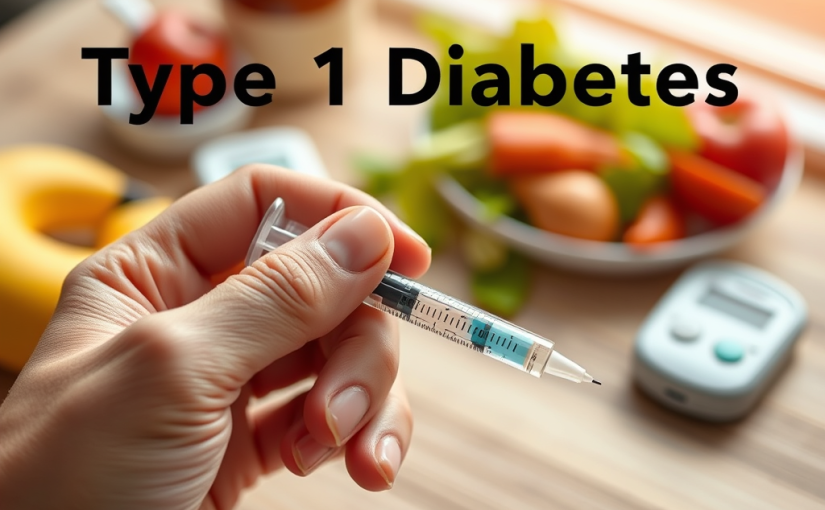
Type 1 Diabetes: What You Really Need to Know (And What Your Family Should Understand)

Living with Type 1 diabetes means your pancreas has stopped producing insulin – period. There’s no “managing it with diet” or “reversing it naturally.” It’s a 24/7 balancing act that requires constant vigilance, multiple daily injections or an insulin pump, and split-second decisions about food, exercise, and medication. Whether you’ve just been diagnosed, have been living with T1D for years, or love someone with Type 1 diabetes, this guide will give you the complete picture of what this autoimmune condition really means.

What Is Type 1 Diabetes? (The Real Story)

Type 1 diabetes is an autoimmune condition where your body’s immune system mistakenly attacks and destroys the beta cells in your pancreas that produce insulin. Without these cells, your body produces little to no insulin, which is essential for survival.

Think of insulin as the key that unlocks your cells so glucose can enter and provide energy. Without insulin, glucose builds up in your blood while your cells literally starve for energy. This is why people with Type 1 diabetes must take insulin every single day – it’s not optional, it’s life-sustaining medication.

Key Facts:

  • Type 1 diabetes affects about 1.9 million Americans, including 244,000 children and adolescents
  • It accounts for 5-10% of all diabetes cases
  • It can be diagnosed at any age, but peaks in childhood and early adulthood
  • It’s completely different from Type 2 diabetes and cannot be prevented or reversed
  • Without insulin, Type 1 diabetes is fatal

The Myths vs. Reality: What Type 1 Diabetes Actually Is

Myth: “Type 1 diabetes is caused by eating too much sugar”

Reality: Type 1 diabetes is an autoimmune condition triggered by a combination of genetic predisposition and environmental factors (possibly viruses). Diet has nothing to do with causing it.

Myth: “Type 1 diabetes only affects children”

Reality: While often diagnosed in childhood (hence the old name “juvenile diabetes”), Type 1 can develop at any age. About 25% of people with Type 1 are diagnosed as adults.

Myth: “People with Type 1 diabetes can’t eat sugar or carbs”

Reality: People with Type 1 diabetes can eat anything, including sweets and carbohydrates. They just need to match their insulin dose to what they’re eating.

Myth: “Type 1 diabetes isn’t as serious because you just take insulin”

Reality: Type 1 diabetes is extremely serious and complex to manage. Taking insulin isn’t like taking a vitamin – it requires precise dosing, timing, and constant monitoring to avoid life-threatening complications.

Myth: “If you take good care of yourself, you won’t have complications”

Reality: While excellent management significantly reduces risk, complications can still occur even with perfect care. The unpredictable nature of Type 1 diabetes means blood sugars can fluctuate despite doing everything right.

Myth: “Insulin cures diabetes”

Reality: Insulin is life-sustaining treatment, not a cure. People with Type 1 diabetes will need insulin for their entire lives unless a cure is found.

What Type 1 Diabetes Symptoms Actually Feel Like

The onset of Type 1 diabetes is often rapid and dramatic, especially in children. Here’s what those textbook symptoms actually feel like:

Extreme thirst (polydipsia): Imagine the most intense thirst you’ve ever experienced after being in the desert or working out hard – then multiply that by ten. No amount of water satisfies it. You might drink gallons of fluid and still feel parched.

Frequent urination (polyuria): You’re urinating every 15-30 minutes, including waking up multiple times at night. The volume is enormous – not just frequent trips, but large amounts each time.

Rapid weight loss: Losing 10-20+ pounds in a matter of weeks despite eating normally or even more than usual. Your clothes suddenly don’t fit, and people comment on how thin you look.

Extreme fatigue: This isn’t normal tiredness. It’s bone-deep exhaustion where you can barely keep your eyes open, struggle to concentrate, and feel like you’re moving through thick fog.

Fruity breath odor: A sweet, nail polish remover-like smell on the breath caused by ketones (a dangerous sign that requires immediate medical attention).

Nausea and vomiting: Especially as ketones build up, leading to diabetic ketoacidosis (DKA), a life-threatening emergency.

Blurred vision: Objects appear fuzzy or out of focus due to glucose affecting the lens of the eye.

Unlike Type 2 diabetes, these symptoms develop quickly – often over days or weeks rather than months or years.

How Type 1 Diabetes Is Diagnosed

Blood Tests:

Random blood glucose: A level over 200 mg/dL with symptoms indicates diabetes.

A1C test: Shows average blood glucose over 2-3 months. An A1C of 6.5% or higher indicates diabetes.

Fasting blood glucose: After not eating for 8+ hours, a level of 126 mg/dL or higher indicates diabetes.

Autoantibody Tests:

These help distinguish Type 1 from Type 2 diabetes by detecting antibodies that attack pancreatic beta cells:

  • GAD antibodies
  • IA-2 antibodies
  • ZnT8 antibodies
  • Insulin autoantibodies

C-peptide Test:

Measures how much insulin your pancreas produces. Low or absent C-peptide confirms Type 1 diabetes.

Ketone Testing:

Checks for ketones in blood or urine. High ketones indicate diabetic ketoacidosis, a medical emergency requiring immediate hospitalization.

Daily Life with Type 1 Diabetes: What Management Really Looks Like

Living with Type 1 diabetes means making complex medical decisions dozens of times every day that most people never have to think about.

Insulin Management

Multiple Daily Injections (MDI): Taking 4-6+ insulin shots daily:

  • Long-acting insulin (once or twice daily) for baseline coverage
  • Rapid-acting insulin before each meal and snack
  • Correction doses when blood sugar is high
  • Learning to rotate injection sites to prevent lipodystrophy

Insulin Pump Therapy: A small device that delivers insulin continuously through a thin tube inserted under the skin:

  • Programming different basal (background) insulin rates for different times of day
  • Calculating and delivering bolus doses for meals
  • Changing infusion sites every 2-3 days
  • Troubleshooting pump malfunctions and having backup supplies

Blood Sugar Monitoring

Traditional Glucose Meters: Pricking fingers 6-10+ times daily:

  • Before each meal and snack
  • 2 hours after eating
  • Before bed
  • Middle of the night (especially for children)
  • Anytime you feel “off” or suspect high/low blood sugar
  • Before, during, and after exercise

Continuous Glucose Monitors (CGMs): Sensors that check glucose every few minutes:

  • Real-time glucose readings on a receiver or smartphone
  • Alerts for high and low blood sugars
  • Trend arrows showing if glucose is rising, falling, or stable
  • Still requires finger stick calibrations and confirmations

Carbohydrate Counting and Dosing

Every meal requires mathematical calculations:

  • Reading nutrition labels and measuring portions precisely
  • Calculating total carbohydrates in the meal
  • Determining insulin-to-carb ratio (varies by person and time of day)
  • Accounting for protein and fat that can affect blood sugar hours later
  • Adjusting for exercise, illness, stress, hormones, and sleep

Exercise Management

Physical activity dramatically affects blood sugar, requiring careful planning:

  • Checking blood sugar before, during, and after exercise
  • Adjusting insulin doses or eating extra carbs to prevent dangerous lows
  • Carrying glucose tablets and emergency supplies during activities
  • Learning how different types of exercise affect your blood sugar differently
  • Managing post-exercise blood sugar spikes or drops hours later

Treatment Options: More Complex Than Just Insulin

Insulin Types and Regimens

Rapid-acting insulin: Humalog, Novolog, Apidra – works within 15 minutes, peaks in 1-2 hours

Short-acting insulin: Regular insulin – works within 30 minutes, peaks in 2-4 hours

Intermediate-acting insulin: NPH – works within 2-4 hours, peaks in 4-12 hours

Long-acting insulin: Lantus, Levemir, Basaglar – provides 24-hour coverage with minimal peaks

Ultra-long-acting insulin: Tresiba, Toujeo – can last over 24 hours for more stable coverage

Delivery Methods

Insulin pens: Pre-filled, convenient, and portable with replaceable needles

Traditional syringes: Drawing insulin from vials, less expensive but less convenient

Insulin pumps: Continuous subcutaneous insulin infusion for precise dosing

Insulin patches and inhalable insulin: Newer options for specific situations

Technology Integration

Continuous Glucose Monitors (CGMs): Real-time glucose monitoring with smartphone integration

Insulin pumps with CGM integration: Semi-automated systems that adjust insulin based on glucose readings

Diabetes management apps: For logging food, insulin, exercise, and blood sugars

Smart insulin pens: Track doses and timing automatically

Other Medications

Pramlintide (Symlin): Injectable medication that slows digestion and helps with post-meal blood sugar spikes

Blood pressure and cholesterol medications: Often prescribed due to increased cardiovascular risk

Glucagon emergency kits: Life-saving medication for severe hypoglycemia

Potential Complications: Why Precision Matters

Type 1 diabetes can affect nearly every organ system, especially when blood sugars run high over time:

Acute Complications

Diabetic Ketoacidosis (DKA): Life-threatening condition when blood sugar and ketones are extremely high. Requires immediate emergency treatment.

Severe Hypoglycemia: Blood sugar drops so low that the person becomes confused, unconscious, or has seizures. Can be fatal without treatment.

Long-term Complications

Cardiovascular disease: Heart attack and stroke risk increases significantly with diabetes.

Diabetic nephropathy: Kidney damage that can progress to kidney failure requiring dialysis or transplant.

Diabetic retinopathy: Eye damage that can lead to vision loss or blindness.

Diabetic neuropathy: Nerve damage causing pain, numbness, or loss of sensation, especially in feet and hands.

Gastroparesis: Delayed stomach emptying that makes blood sugar management extremely difficult.

Skin conditions: Higher risk of infections and slow-healing wounds.

The reality: Even with excellent management, people with Type 1 diabetes face higher risks of complications. However, tight blood sugar control dramatically reduces these risks.

Emergency Situations: What Everyone Should Know

Severe Hypoglycemia (Low Blood Sugar)

Signs: Confusion, slurred speech, loss of coordination, unconsciousness, seizures

Treatment:

  • If conscious: Give 15-20g fast-acting carbs (glucose tablets, juice, regular soda)
  • If unconscious: Give glucagon injection and call 911
  • Never put food or liquid in an unconscious person’s mouth

Diabetic Ketoacidosis (DKA)

Signs: Fruity breath, nausea/vomiting, rapid breathing, extreme thirst, confusion

Treatment: This is a medical emergency requiring immediate hospital treatment. Call 911.

Sick Day Management

The challenge: Illness raises blood sugar and increases ketone production, even when not eating

Key points:

  • Never stop taking insulin, even when vomiting
  • Check blood sugar and ketones more frequently
  • Stay hydrated
  • Contact healthcare provider for guidance
  • Know when to go to the emergency room

For Family and Friends: How to Really Help

What TO Do:

Learn the basics: Understand the difference between high and low blood sugar and how to help in emergencies

Respect their expertise: They know their body and diabetes better than anyone else

Keep emergency supplies: Know where glucose tablets and glucagon are located

Be flexible with timing: Blood sugar management may require schedule adjustments

Ask before helping: “What can I do to help?” rather than taking over

Include them normally: Don’t assume they can’t participate in activities or travel

Support their management: Understand that checking blood sugar and taking insulin isn’t optional

What NOT to Do:

Don’t police their food choices: Comments like “Should you be eating that?” are harmful and inaccurate

Don’t panic during blood sugar episodes: Stay calm and follow their instructions or emergency plans

Don’t suggest “natural remedies”: Type 1 diabetes cannot be cured with diet, herbs, or alternative treatments

Don’t make assumptions about their abilities: People with T1D can do almost anything with proper planning

Don’t take their mood swings personally: Blood sugar fluctuations can affect emotions and thinking

Don’t share horror stories: Every person’s diabetes journey is different

Understanding Blood Sugar Emergencies

Low blood sugar (hypoglycemia): Learn to recognize symptoms and how to treat them

High blood sugar: Understand that this requires insulin, not just avoiding food

When to call 911: Unconsciousness, seizures, persistent vomiting, signs of DKA

Living Well with Type 1 Diabetes: The Reality

Having Type 1 diabetes means living with a complex medical condition that never takes a break. There are no “diabetes vacations” – it requires 24/7 management and attention.

The mental health impact is significant: Diabetes burnout, anxiety about complications, and the stress of constant management are real and valid challenges.

Technology helps, but it’s not perfect: CGMs and pumps make management easier but don’t eliminate the daily burden of decision-making.

Every day is different: What works today might not work tomorrow. Hormones, stress, illness, weather, and countless other factors affect blood sugar.

The diabetes community is invaluable: Connecting with others who understand the daily reality provides support that family and friends, despite their best efforts, cannot fully provide.

People with T1D live full, successful lives: With proper management, people with Type 1 diabetes become doctors, athletes, parents, teachers, and everything else they dream of being.

It’s okay to struggle: Some days are harder than others, and that doesn’t mean you’re failing at diabetes management.

Frequently Asked Questions

Will there be a cure for Type 1 diabetes? Research is ongoing with promising developments in beta cell replacement, immunotherapy, and artificial pancreas technology. However, there’s no definitive timeline for a cure.

Can people with Type 1 diabetes have children? Yes! With proper planning and management, people with Type 1 diabetes can have healthy pregnancies and children.

How long do people with Type 1 diabetes live? With modern management, people with Type 1 diabetes can live nearly as long as those without diabetes. Life expectancy continues to improve with advancing technology and treatment options.

Is Type 1 diabetes hereditary? There’s a genetic component, but it’s complex. Having a parent with Type 1 diabetes increases risk, but most people with Type 1 don’t have family members with the condition.

Can you develop Type 1 diabetes as an adult? Yes! About 25% of Type 1 diagnoses occur in adults. This is sometimes called LADA (Latent Autoimmune Diabetes in Adults) when it develops more slowly.

Do people with Type 1 diabetes need to follow a special diet? No special diet is required, but understanding how different foods affect blood sugar helps with insulin dosing. Many people with T1D follow flexible eating plans that allow for variety while maintaining good blood sugar control.

Resources and Support

Juvenile Diabetes Research Foundation (JDRF): jdrf.org – Leading Type 1 diabetes research and advocacy organization

American Diabetes Association: diabetes.org – Comprehensive diabetes information and resources

Type 1 Diabetes Exchange: t1dexchange.org – Research registry and online community

Diabetes Online Community: #DOC on social media platforms for peer support

Local support groups: Many hospitals and diabetes centers offer in-person support groups

Diabetes camps: Summer camps specifically for children and teens with Type 1 diabetes

Apps for management: MySugr, Glucose Buddy, Diabetes:M, Carb Manager

Emergency ID: Medical alert bracelets or apps that provide critical information to first responders

The Bottom Line

Type 1 diabetes is a serious, complex autoimmune condition that requires intensive daily management. It’s not caused by lifestyle choices, cannot be reversed with diet, and requires lifelong insulin therapy. However, with proper education, support, and access to technology and supplies, people with Type 1 diabetes can live full, healthy, successful lives.

If you’ve been recently diagnosed, know that the learning curve is steep and overwhelming at first, but it gets easier with time and practice. If you’re supporting someone with Type 1 diabetes, your understanding and practical help make an enormous difference. And if you’ve been living with Type 1 diabetes for years, remember that you’re managing something incredibly complex every single day – give yourself credit for the tremendous effort that requires.

The diabetes community often says “Type 1 diabetes makes you stronger than you know you can be” – and while no one would choose this condition, the resilience, problem-solving skills, and appreciation for life that often develop are remarkable.

Remember: This information is educational and should not replace advice from your healthcare provider. Always consult with your endocrinologist or diabetes care team for personalized Type 1 diabetes management plans.


Living with Type 1 diabetes or supporting someone who is? Share your experiences and tips in the comments below. Your insights might help others navigating this journey.

Type 2 Diabetes: What You Really Need to Know (And What Your Family Should Understand)

Living with Type 2 diabetes isn’t just about checking blood sugar – it’s a complete lifestyle that affects every decision, every meal, and every day. Whether you’ve just been diagnosed, have been managing it for years, or love someone with Type 2 diabetes, this guide will give you the real picture of what this condition means.

What Is Type 2 Diabetes? (Beyond the Basic Definition)

Type 2 diabetes occurs when your body becomes resistant to insulin or doesn’t produce enough insulin to maintain normal blood glucose levels. But here’s what that actually means for daily life: your body’s system for processing the energy from food stops working efficiently.

Think of insulin as a key that unlocks your cells so glucose (sugar) can enter and provide energy. With Type 2 diabetes, either there aren’t enough keys, or the locks on your cells have changed and the keys don’t work as well. This leaves glucose floating around in your bloodstream instead of powering your body.

Key Facts:

  • Type 2 diabetes affects over 37 million Americans
  • It accounts for 90-95% of all diabetes cases
  • It typically develops after age 45, but increasingly affects younger people
  • Unlike Type 1, it develops gradually and can sometimes be prevented or reversed

The Myths vs. Reality: What Type 2 Diabetes Actually Is

Myth: “You got diabetes because you ate too much sugar”

Reality: While diet plays a role, Type 2 diabetes is caused by a combination of genetics, age, weight, activity level, and other health conditions. Many thin, healthy-eating people develop Type 2 diabetes due to genetic predisposition.

Myth: “Type 2 diabetes isn’t as serious as Type 1”

Reality: All diabetes is serious. Type 2 diabetes can lead to the same complications: heart disease, stroke, kidney disease, nerve damage, and vision problems.

Myth: “You can control it with diet alone”

Reality: While lifestyle changes are crucial, many people with Type 2 diabetes also need medication. This isn’t a personal failure. This is how the condition typically progresses for many people.

Myth: “People with diabetes can’t eat sugar or carbs”

Reality: People with diabetes can eat most foods, including carbohydrates and occasional sweets. It’s about portion control, timing, and balancing with other foods and medication.

What Type 2 Diabetes Symptoms Actually Feel Like

The textbook symptoms include increased thirst, frequent urination, fatigue, and blurred vision. But here’s what those symptoms actually feel like in real life:

Extreme thirst and frequent urination: Imagine feeling like you’ve been walking in the desert, no matter how much water you drink. You’re constantly thirsty, drinking large amounts of fluid, then needing to urinate every 30-60 minutes, including multiple times during the night.

Fatigue: This isn’t just being tired after a long day. It’s bone-deep exhaustion that makes simple tasks feel overwhelming. You might feel like you’re moving through thick mud, even after a full night’s sleep.

Blurred vision: Text might appear fuzzy, or you might have trouble focusing on objects. Some people describe it as looking through a dirty window.

Slow-healing wounds: Small cuts or bruises that normally heal in days might take weeks or months to fully heal.

Frequent infections: Particularly yeast infections, urinary tract infections, or skin infections that keep coming back.

Many people have no symptoms initially – Type 2 diabetes can develop silently over years.

How Type 2 Diabetes Is Diagnosed

Healthcare providers use several tests:

A1C Test: Measures average blood glucose over 2-3 months. An A1C of 6.5% or higher indicates diabetes.

Fasting Blood Glucose: After not eating for 8+ hours, a level of 126 mg/dL or higher indicates diabetes.

Oral Glucose Tolerance Test: Blood sugar is measured before and 2 hours after drinking a glucose solution. A level of 200 mg/dL or higher indicates diabetes.

Random Blood Glucose: A level of 200 mg/dL or higher, along with symptoms, indicates diabetes.

Daily Life with Type 2 Diabetes: What Management Really Looks Like

Living with Type 2 diabetes means making dozens of small decisions throughout the day that other people never have to think about.

Blood Sugar Monitoring

Many people check their blood glucose 2-4 times daily using a glucose meter or continuous glucose monitor. This involves:

  • Pricking your finger with a lancet (yes, it hurts a little, every time)
  • Placing a drop of blood on a test strip
  • Recording and interpreting the numbers
  • Adjusting food, activity, or medication based on results

Meal Planning and Carbohydrate Counting

Every meal requires consideration:

  • Reading nutrition labels to count carbohydrates
  • Measuring portions (not just eyeballing them)
  • Timing meals consistently
  • Balancing protein, carbs, and healthy fats
  • Planning for social events, travel, and eating out

Medication Management

Many people take multiple medications:

  • Pills that might need to be taken at specific times with or without food
  • Injectable medications like insulin, which requires learning proper injection techniques
  • Managing side effects like nausea, low blood sugar, or weight changes
  • Keeping track of prescription refills and insurance coverage

Physical Activity

Exercise helps control blood sugar, but it requires planning:

  • Checking blood sugar before and after exercise
  • Carrying glucose tablets in case of low blood sugar
  • Adjusting medication or food intake around physical activity
  • Finding activities that work with other health conditions

Treatment Options: More Than Just “Diet and Exercise”

Lifestyle Modifications

  • Nutrition therapy: Working with a dietitian to create a sustainable eating plan
  • Regular physical activity: At least 150 minutes of moderate activity per week
  • Weight management: Even a 5-10% weight loss can significantly improve blood sugar control
  • Stress management: Chronic stress can raise blood glucose levels

Medications

Metformin: Usually the first medication prescribed, helps reduce glucose production in the liver and improves insulin sensitivity.

Other oral medications: Including sulfonylureas, SGLT2 inhibitors, and DPP-4 inhibitors, each working differently to control blood sugar.

Injectable medications: Including insulin and newer medications like GLP-1 receptor agonists.

Blood pressure and cholesterol medications: Often prescribed because diabetes increases cardiovascular risk.

Medical Monitoring

Regular appointments include:

  • A1C tests every 3-6 months
  • Annual eye exams to check for diabetic retinopathy
  • Foot exams to check for nerve damage
  • Kidney function tests
  • Blood pressure and cholesterol monitoring

Potential Complications: Why Management Matters

Type 2 diabetes can affect nearly every organ system when not well-managed:

Cardiovascular disease: Heart attack and stroke risk doubles with diabetes.

Kidney damage (diabetic nephropathy): High blood sugar can damage the kidneys’ filtering system.

Nerve damage (diabetic neuropathy): Can cause pain, tingling, or numbness, especially in feet and hands.

Eye damage (diabetic retinopathy): Can lead to vision loss or blindness.

Foot problems: Poor circulation and nerve damage can lead to serious infections.

Skin conditions: Higher risk of bacterial and fungal infections.

The good news: Excellent blood sugar control can prevent or delay most complications.

For Family and Friends: How to Really Help

What TO Do:

  • Learn about the condition: Understanding helps you be supportive rather than judgmental
  • Respect their food choices: Don’t police what they eat or make comments about their plate
  • Be flexible with plans: Blood sugar fluctuations can affect energy and mood
  • Keep glucose tablets handy: Learn to recognize signs of low blood sugar
  • Ask how you can help: Rather than assuming what they need
  • Include them in activities: Don’t assume they can’t participate in events or travel

What NOT to Do:

  • Don’t become the food police: Comments like “Should you be eating that?” are not helpful
  • Don’t assume all symptoms are diabetes-related: They can get sick with other things too
  • Don’t share horror stories: Everyone’s experience with diabetes is different
  • Don’t suggest miracle cures: If there was a simple cure, everyone would use it
  • Don’t make it about weight: Diabetes management is about much more than losing weight

Understanding Low Blood Sugar Emergencies

Learn the signs of severe hypoglycemia:

  • Confusion or unusual behavior
  • Difficulty speaking
  • Loss of coordination
  • Unconsciousness

Know what to do: Give glucose tablets, glucose gel, or sugary drinks if they’re conscious. Call 911 if they’re unconscious or can’t swallow safely.

Living Well with Type 2 Diabetes: Real Talk

Having Type 2 diabetes doesn’t mean your life is over, but it does mean your life is different. Many people with diabetes live full, active, healthy lives – but it requires consistent attention and self-care.

The mental health component is real: Managing a chronic condition is emotionally exhausting. Diabetes distress and burnout are common and valid experiences.

It’s okay to have bad days: Blood sugars don’t always cooperate, even when you do everything “right.” This doesn’t mean you’re failing.

Community matters: Connecting with others who understand the daily reality of diabetes can provide invaluable support.

Technology helps: Apps for tracking, continuous glucose monitors, and insulin pumps can make management easier.

Your diabetes may change over time: What works now might not work in five years, and that’s normal. Treatment plans evolve.

Frequently Asked Questions

Can Type 2 diabetes be cured? Type 2 diabetes can sometimes be put into remission with significant lifestyle changes, particularly weight loss. However, it requires ongoing management to maintain remission.

Will I need insulin eventually? Not everyone with Type 2 diabetes needs insulin, but some people do as the condition progresses. Needing insulin doesn’t mean you’ve failed at managing your diabetes.

Can I still eat my favorite foods? Most foods can be incorporated into a diabetes meal plan with proper portion control and timing. Working with a dietitian can help you learn how to include foods you enjoy.

How often should I check my blood sugar? This varies by individual and treatment plan. Your healthcare provider will recommend a testing schedule that’s right for you, typically ranging from a few times per week to several times per day.

Can I exercise with diabetes? Yes! Exercise is beneficial for blood sugar control. You may need to monitor blood sugar before and after exercise and adjust food or medication accordingly.

Resources and Support

  • American Diabetes Association: diabetes.org
  • Diabetes Self-Management Education and Support (DSMES) programs: Ask your healthcare provider for local programs
  • Diabetes support groups: Both in-person and online communities
  • Apps for diabetes management: MyFitnessPal, Glucose Buddy, Diabetes:M
  • Continuous Glucose Monitor options: Dexcom, FreeStyle Libre, Medtronic

The Bottom Line

Type 2 diabetes is a serious but manageable condition that affects millions of people. It requires daily attention and lifestyle adjustments, but it doesn’t have to define or limit your life. With proper management, education, and support, people with Type 2 diabetes can live healthy, fulfilling lives.

If you’ve been recently diagnosed, know that the learning curve is steep but manageable. If you’re supporting someone with diabetes, your understanding and patience make a real difference. And if you’ve been living with diabetes for years, remember that you’re managing something complex every single day – give yourself credit for that effort.

Remember: This information is educational and should not replace advice from your healthcare provider. Always consult with your medical team for personalized diabetes management plans.


Have questions about living with Type 2 diabetes? Share your experiences in the comments below. Your story might help someone else navigating this journey.