
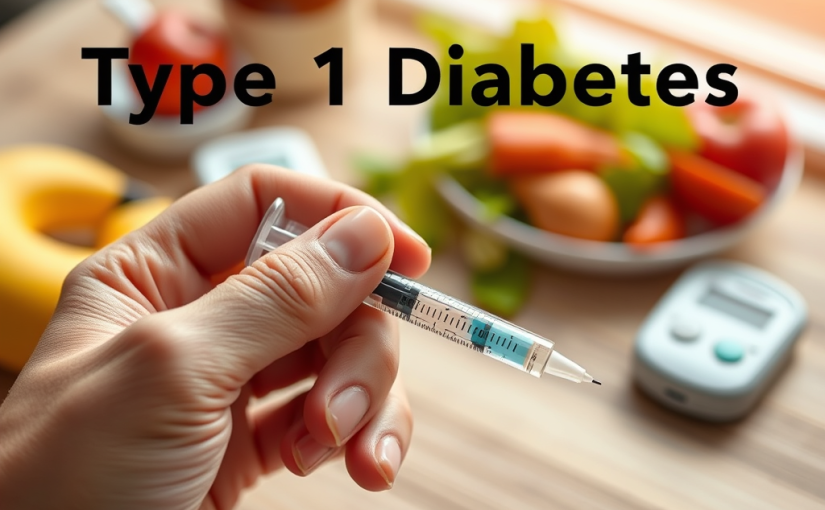
Living with Type 1 diabetes means your pancreas has stopped producing insulin – period. There’s no “managing it with diet” or “reversing it naturally.” It’s a 24/7 balancing act that requires constant vigilance, multiple daily injections or an insulin pump, and split-second decisions about food, exercise, and medication. Whether you’ve just been diagnosed, have been living with T1D for years, or love someone with Type 1 diabetes, this guide will give you the complete picture of what this autoimmune condition really means.
What Is Type 1 Diabetes? (The Real Story)
Type 1 diabetes is an autoimmune condition where your body’s immune system mistakenly attacks and destroys the beta cells in your pancreas that produce insulin. Without these cells, your body produces little to no insulin, which is essential for survival.
Think of insulin as the key that unlocks your cells so glucose can enter and provide energy. Without insulin, glucose builds up in your blood while your cells literally starve for energy. This is why people with Type 1 diabetes must take insulin every single day – it’s not optional, it’s life-sustaining medication.
Key Facts:
- Type 1 diabetes affects about 1.9 million Americans, including 244,000 children and adolescents
- It accounts for 5-10% of all diabetes cases
- It can be diagnosed at any age, but peaks in childhood and early adulthood
- It’s completely different from Type 2 diabetes and cannot be prevented or reversed
- Without insulin, Type 1 diabetes is fatal
The Myths vs. Reality: What Type 1 Diabetes Actually Is
Myth: “Type 1 diabetes is caused by eating too much sugar”
Reality: Type 1 diabetes is an autoimmune condition triggered by a combination of genetic predisposition and environmental factors (possibly viruses). Diet has nothing to do with causing it.
Myth: “Type 1 diabetes only affects children”
Reality: While often diagnosed in childhood (hence the old name “juvenile diabetes”), Type 1 can develop at any age. About 25% of people with Type 1 are diagnosed as adults.
Myth: “People with Type 1 diabetes can’t eat sugar or carbs”
Reality: People with Type 1 diabetes can eat anything, including sweets and carbohydrates. They just need to match their insulin dose to what they’re eating.
Myth: “Type 1 diabetes isn’t as serious because you just take insulin”
Reality: Type 1 diabetes is extremely serious and complex to manage. Taking insulin isn’t like taking a vitamin – it requires precise dosing, timing, and constant monitoring to avoid life-threatening complications.
Myth: “If you take good care of yourself, you won’t have complications”
Reality: While excellent management significantly reduces risk, complications can still occur even with perfect care. The unpredictable nature of Type 1 diabetes means blood sugars can fluctuate despite doing everything right.
Myth: “Insulin cures diabetes”
Reality: Insulin is life-sustaining treatment, not a cure. People with Type 1 diabetes will need insulin for their entire lives unless a cure is found.
What Type 1 Diabetes Symptoms Actually Feel Like
The onset of Type 1 diabetes is often rapid and dramatic, especially in children. Here’s what those textbook symptoms actually feel like:
Extreme thirst (polydipsia): Imagine the most intense thirst you’ve ever experienced after being in the desert or working out hard – then multiply that by ten. No amount of water satisfies it. You might drink gallons of fluid and still feel parched.
Frequent urination (polyuria): You’re urinating every 15-30 minutes, including waking up multiple times at night. The volume is enormous – not just frequent trips, but large amounts each time.
Rapid weight loss: Losing 10-20+ pounds in a matter of weeks despite eating normally or even more than usual. Your clothes suddenly don’t fit, and people comment on how thin you look.
Extreme fatigue: This isn’t normal tiredness. It’s bone-deep exhaustion where you can barely keep your eyes open, struggle to concentrate, and feel like you’re moving through thick fog.
Fruity breath odor: A sweet, nail polish remover-like smell on the breath caused by ketones (a dangerous sign that requires immediate medical attention).
Nausea and vomiting: Especially as ketones build up, leading to diabetic ketoacidosis (DKA), a life-threatening emergency.
Blurred vision: Objects appear fuzzy or out of focus due to glucose affecting the lens of the eye.
Unlike Type 2 diabetes, these symptoms develop quickly – often over days or weeks rather than months or years.
How Type 1 Diabetes Is Diagnosed
Blood Tests:
Random blood glucose: A level over 200 mg/dL with symptoms indicates diabetes.
A1C test: Shows average blood glucose over 2-3 months. An A1C of 6.5% or higher indicates diabetes.
Fasting blood glucose: After not eating for 8+ hours, a level of 126 mg/dL or higher indicates diabetes.
Autoantibody Tests:
These help distinguish Type 1 from Type 2 diabetes by detecting antibodies that attack pancreatic beta cells:
- GAD antibodies
- IA-2 antibodies
- ZnT8 antibodies
- Insulin autoantibodies
C-peptide Test:
Measures how much insulin your pancreas produces. Low or absent C-peptide confirms Type 1 diabetes.
Ketone Testing:
Checks for ketones in blood or urine. High ketones indicate diabetic ketoacidosis, a medical emergency requiring immediate hospitalization.
Daily Life with Type 1 Diabetes: What Management Really Looks Like
Living with Type 1 diabetes means making complex medical decisions dozens of times every day that most people never have to think about.
Insulin Management
Multiple Daily Injections (MDI): Taking 4-6+ insulin shots daily:
- Long-acting insulin (once or twice daily) for baseline coverage
- Rapid-acting insulin before each meal and snack
- Correction doses when blood sugar is high
- Learning to rotate injection sites to prevent lipodystrophy
Insulin Pump Therapy: A small device that delivers insulin continuously through a thin tube inserted under the skin:
- Programming different basal (background) insulin rates for different times of day
- Calculating and delivering bolus doses for meals
- Changing infusion sites every 2-3 days
- Troubleshooting pump malfunctions and having backup supplies
Blood Sugar Monitoring
Traditional Glucose Meters: Pricking fingers 6-10+ times daily:
- Before each meal and snack
- 2 hours after eating
- Before bed
- Middle of the night (especially for children)
- Anytime you feel “off” or suspect high/low blood sugar
- Before, during, and after exercise
Continuous Glucose Monitors (CGMs): Sensors that check glucose every few minutes:
- Real-time glucose readings on a receiver or smartphone
- Alerts for high and low blood sugars
- Trend arrows showing if glucose is rising, falling, or stable
- Still requires finger stick calibrations and confirmations
Carbohydrate Counting and Dosing
Every meal requires mathematical calculations:
- Reading nutrition labels and measuring portions precisely
- Calculating total carbohydrates in the meal
- Determining insulin-to-carb ratio (varies by person and time of day)
- Accounting for protein and fat that can affect blood sugar hours later
- Adjusting for exercise, illness, stress, hormones, and sleep
Exercise Management
Physical activity dramatically affects blood sugar, requiring careful planning:
- Checking blood sugar before, during, and after exercise
- Adjusting insulin doses or eating extra carbs to prevent dangerous lows
- Carrying glucose tablets and emergency supplies during activities
- Learning how different types of exercise affect your blood sugar differently
- Managing post-exercise blood sugar spikes or drops hours later
Treatment Options: More Complex Than Just Insulin
Insulin Types and Regimens
Rapid-acting insulin: Humalog, Novolog, Apidra – works within 15 minutes, peaks in 1-2 hours
Short-acting insulin: Regular insulin – works within 30 minutes, peaks in 2-4 hours
Intermediate-acting insulin: NPH – works within 2-4 hours, peaks in 4-12 hours
Long-acting insulin: Lantus, Levemir, Basaglar – provides 24-hour coverage with minimal peaks
Ultra-long-acting insulin: Tresiba, Toujeo – can last over 24 hours for more stable coverage
Delivery Methods
Insulin pens: Pre-filled, convenient, and portable with replaceable needles
Traditional syringes: Drawing insulin from vials, less expensive but less convenient
Insulin pumps: Continuous subcutaneous insulin infusion for precise dosing
Insulin patches and inhalable insulin: Newer options for specific situations
Technology Integration
Continuous Glucose Monitors (CGMs): Real-time glucose monitoring with smartphone integration
Insulin pumps with CGM integration: Semi-automated systems that adjust insulin based on glucose readings
Diabetes management apps: For logging food, insulin, exercise, and blood sugars
Smart insulin pens: Track doses and timing automatically
Other Medications
Pramlintide (Symlin): Injectable medication that slows digestion and helps with post-meal blood sugar spikes
Blood pressure and cholesterol medications: Often prescribed due to increased cardiovascular risk
Glucagon emergency kits: Life-saving medication for severe hypoglycemia
Potential Complications: Why Precision Matters
Type 1 diabetes can affect nearly every organ system, especially when blood sugars run high over time:
Acute Complications
Diabetic Ketoacidosis (DKA): Life-threatening condition when blood sugar and ketones are extremely high. Requires immediate emergency treatment.
Severe Hypoglycemia: Blood sugar drops so low that the person becomes confused, unconscious, or has seizures. Can be fatal without treatment.
Long-term Complications
Cardiovascular disease: Heart attack and stroke risk increases significantly with diabetes.
Diabetic nephropathy: Kidney damage that can progress to kidney failure requiring dialysis or transplant.
Diabetic retinopathy: Eye damage that can lead to vision loss or blindness.
Diabetic neuropathy: Nerve damage causing pain, numbness, or loss of sensation, especially in feet and hands.
Gastroparesis: Delayed stomach emptying that makes blood sugar management extremely difficult.
Skin conditions: Higher risk of infections and slow-healing wounds.
The reality: Even with excellent management, people with Type 1 diabetes face higher risks of complications. However, tight blood sugar control dramatically reduces these risks.
Emergency Situations: What Everyone Should Know
Severe Hypoglycemia (Low Blood Sugar)
Signs: Confusion, slurred speech, loss of coordination, unconsciousness, seizures
Treatment:
- If conscious: Give 15-20g fast-acting carbs (glucose tablets, juice, regular soda)
- If unconscious: Give glucagon injection and call 911
- Never put food or liquid in an unconscious person’s mouth
Diabetic Ketoacidosis (DKA)
Signs: Fruity breath, nausea/vomiting, rapid breathing, extreme thirst, confusion
Treatment: This is a medical emergency requiring immediate hospital treatment. Call 911.
Sick Day Management
The challenge: Illness raises blood sugar and increases ketone production, even when not eating
Key points:
- Never stop taking insulin, even when vomiting
- Check blood sugar and ketones more frequently
- Stay hydrated
- Contact healthcare provider for guidance
- Know when to go to the emergency room
For Family and Friends: How to Really Help
What TO Do:
Learn the basics: Understand the difference between high and low blood sugar and how to help in emergencies
Respect their expertise: They know their body and diabetes better than anyone else
Keep emergency supplies: Know where glucose tablets and glucagon are located
Be flexible with timing: Blood sugar management may require schedule adjustments
Ask before helping: “What can I do to help?” rather than taking over
Include them normally: Don’t assume they can’t participate in activities or travel
Support their management: Understand that checking blood sugar and taking insulin isn’t optional
What NOT to Do:
Don’t police their food choices: Comments like “Should you be eating that?” are harmful and inaccurate
Don’t panic during blood sugar episodes: Stay calm and follow their instructions or emergency plans
Don’t suggest “natural remedies”: Type 1 diabetes cannot be cured with diet, herbs, or alternative treatments
Don’t make assumptions about their abilities: People with T1D can do almost anything with proper planning
Don’t take their mood swings personally: Blood sugar fluctuations can affect emotions and thinking
Don’t share horror stories: Every person’s diabetes journey is different
Understanding Blood Sugar Emergencies
Low blood sugar (hypoglycemia): Learn to recognize symptoms and how to treat them
High blood sugar: Understand that this requires insulin, not just avoiding food
When to call 911: Unconsciousness, seizures, persistent vomiting, signs of DKA
Living Well with Type 1 Diabetes: The Reality
Having Type 1 diabetes means living with a complex medical condition that never takes a break. There are no “diabetes vacations” – it requires 24/7 management and attention.
The mental health impact is significant: Diabetes burnout, anxiety about complications, and the stress of constant management are real and valid challenges.
Technology helps, but it’s not perfect: CGMs and pumps make management easier but don’t eliminate the daily burden of decision-making.
Every day is different: What works today might not work tomorrow. Hormones, stress, illness, weather, and countless other factors affect blood sugar.
The diabetes community is invaluable: Connecting with others who understand the daily reality provides support that family and friends, despite their best efforts, cannot fully provide.
People with T1D live full, successful lives: With proper management, people with Type 1 diabetes become doctors, athletes, parents, teachers, and everything else they dream of being.
It’s okay to struggle: Some days are harder than others, and that doesn’t mean you’re failing at diabetes management.
Frequently Asked Questions
Will there be a cure for Type 1 diabetes? Research is ongoing with promising developments in beta cell replacement, immunotherapy, and artificial pancreas technology. However, there’s no definitive timeline for a cure.
Can people with Type 1 diabetes have children? Yes! With proper planning and management, people with Type 1 diabetes can have healthy pregnancies and children.
How long do people with Type 1 diabetes live? With modern management, people with Type 1 diabetes can live nearly as long as those without diabetes. Life expectancy continues to improve with advancing technology and treatment options.
Is Type 1 diabetes hereditary? There’s a genetic component, but it’s complex. Having a parent with Type 1 diabetes increases risk, but most people with Type 1 don’t have family members with the condition.
Can you develop Type 1 diabetes as an adult? Yes! About 25% of Type 1 diagnoses occur in adults. This is sometimes called LADA (Latent Autoimmune Diabetes in Adults) when it develops more slowly.
Do people with Type 1 diabetes need to follow a special diet? No special diet is required, but understanding how different foods affect blood sugar helps with insulin dosing. Many people with T1D follow flexible eating plans that allow for variety while maintaining good blood sugar control.
Resources and Support
Juvenile Diabetes Research Foundation (JDRF): jdrf.org – Leading Type 1 diabetes research and advocacy organization
American Diabetes Association: diabetes.org – Comprehensive diabetes information and resources
Type 1 Diabetes Exchange: t1dexchange.org – Research registry and online community
Diabetes Online Community: #DOC on social media platforms for peer support
Local support groups: Many hospitals and diabetes centers offer in-person support groups
Diabetes camps: Summer camps specifically for children and teens with Type 1 diabetes
Apps for management: MySugr, Glucose Buddy, Diabetes:M, Carb Manager
Emergency ID: Medical alert bracelets or apps that provide critical information to first responders
The Bottom Line
Type 1 diabetes is a serious, complex autoimmune condition that requires intensive daily management. It’s not caused by lifestyle choices, cannot be reversed with diet, and requires lifelong insulin therapy. However, with proper education, support, and access to technology and supplies, people with Type 1 diabetes can live full, healthy, successful lives.
If you’ve been recently diagnosed, know that the learning curve is steep and overwhelming at first, but it gets easier with time and practice. If you’re supporting someone with Type 1 diabetes, your understanding and practical help make an enormous difference. And if you’ve been living with Type 1 diabetes for years, remember that you’re managing something incredibly complex every single day – give yourself credit for the tremendous effort that requires.
The diabetes community often says “Type 1 diabetes makes you stronger than you know you can be” – and while no one would choose this condition, the resilience, problem-solving skills, and appreciation for life that often develop are remarkable.
Remember: This information is educational and should not replace advice from your healthcare provider. Always consult with your endocrinologist or diabetes care team for personalized Type 1 diabetes management plans.
Living with Type 1 diabetes or supporting someone who is? Share your experiences and tips in the comments below. Your insights might help others navigating this journey.
 Chronically Hustling