

Living with rheumatoid arthritis means waking up with joints so stiff and painful that simple tasks like opening a jar or brushing your teeth become challenges. It’s the exhaustion that goes beyond tired – a bone-deep fatigue that makes you feel like you’re moving through thick fog. It’s planning your life around unpredictable flares, managing a complex medication regimen, and dealing with an immune system that has turned against your own body. Whether you’ve recently been diagnosed, have been managing RA for years, or love someone navigating this autoimmune condition, this guide will give you the complete picture of what rheumatoid arthritis really means.
What Is Rheumatoid Arthritis? (It’s Not Just Joint Pain)
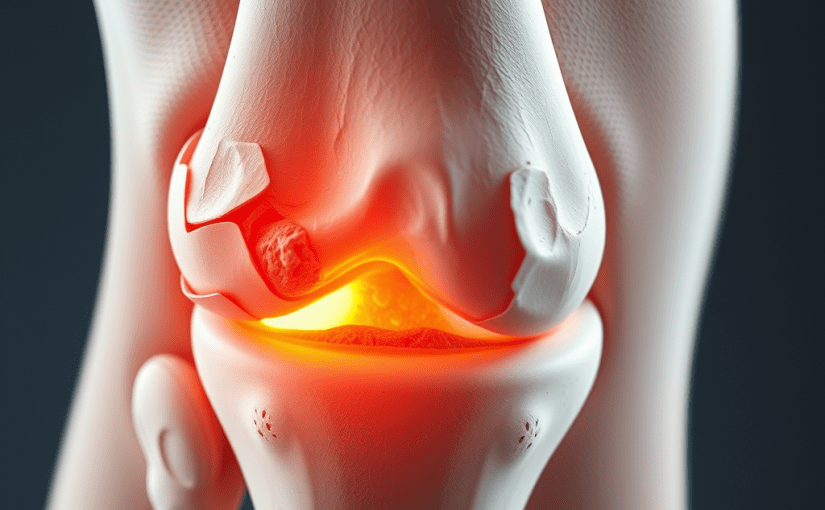
Rheumatoid arthritis (RA) is a chronic autoimmune disease where your body’s immune system mistakenly attacks your own tissues, primarily targeting the synovium – the lining of the membranes that surround your joints. Unlike osteoarthritis, which is mechanical “wear and tear,” RA is your immune system essentially declaring war on your joints.
Think of healthy joints as having a smooth, thin lining that produces lubricating fluid. With RA, your immune system attacks this lining, causing it to become inflamed and thickened. This inflamed tissue then releases enzymes that damage cartilage and bone, leading to joint deformity and disability if left untreated.
But RA isn’t just a joint disease. Because it’s systemic, it can affect:
- Multiple organ systems throughout the body
- Blood vessels (causing cardiovascular complications)
- Lungs (causing scarring or nodules)
- Eyes (causing dryness or inflammation)
- Skin (causing nodules or rashes)
- Heart (increasing cardiovascular risk)
Key Facts:
- RA affects approximately 1.3 million Americans
- About 75% of people with RA are women
- It can develop at any age, but most commonly begins between ages 30-60
- Early diagnosis and treatment can prevent or slow joint damage
- It’s completely different from osteoarthritis despite both being called “arthritis”
The Myths vs. Reality: What Rheumatoid Arthritis Actually Is
Myth: “Rheumatoid arthritis is the same as osteoarthritis, just more severe”
Reality: RA and osteoarthritis are completely different diseases with different causes, symptoms, and treatments. RA is autoimmune; osteoarthritis is mechanical wear and tear.
Myth: “Only elderly people get rheumatoid arthritis”
Reality: RA can develop at any age, including in children (juvenile idiopathic arthritis). Many people are diagnosed in their 30s, 40s, and 50s.
Myth: “Rheumatoid arthritis only affects your joints”
Reality: RA is a systemic disease that can affect organs throughout the body, including the heart, lungs, eyes, and blood vessels.
Myth: “If you have rheumatoid arthritis, you’ll end up in a wheelchair”
Reality: With modern treatments, most people with RA can maintain active, independent lives. Early, aggressive treatment can prevent severe joint damage.
Myth: “Rheumatoid arthritis is caused by diet or lifestyle”
Reality: RA is an autoimmune condition likely triggered by a combination of genetic susceptibility and environmental factors. It’s not caused by poor diet or lifestyle choices.
Myth: “People with RA should avoid exercise”
Reality: Regular, appropriate exercise is crucial for maintaining joint function and overall health in people with RA.
Myth: “Natural remedies can cure rheumatoid arthritis”
Reality: While some complementary therapies may help with symptoms, RA requires medical treatment to prevent joint damage. There is no cure, but the disease can be controlled.
What Rheumatoid Arthritis Symptoms Actually Feel Like
The textbook symptoms include joint pain, swelling, and morning stiffness. But here’s what those symptoms actually feel like in daily life:
Morning stiffness: Imagine waking up feeling like your joints have been encased in concrete overnight. This isn’t the brief stiffness of osteoarthritis – it can last hours. Your hands might be so stiff you can’t make a fist, your knees so rigid you can’t bend them to get out of bed.
Joint pain and swelling: The pain is often described as deep, aching, and throbbing. Unlike osteoarthritis pain that worsens with activity, RA pain may actually improve with gentle movement. Joints become visibly swollen, warm to the touch, and tender.
Symmetrical joint involvement: RA typically affects the same joints on both sides of your body. If your right wrist hurts, your left probably does too. This symmetrical pattern helps distinguish RA from other types of arthritis.
Fatigue: This isn’t just being tired – it’s profound exhaustion that feels like your energy has been completely drained. You might feel like you need a nap after simple activities like taking a shower or making breakfast.
Flu-like symptoms: During flares, you might feel like you’re coming down with the flu – achy, weak, and generally unwell, even without fever.
Joint deformity: In advanced or poorly controlled RA, joints can become permanently deformed. Fingers might drift toward the pinky side, or develop swan-neck or boutonniere deformities.
Rheumatoid nodules: Firm lumps under the skin, usually near joints, that develop in about 20% of people with RA.
Systemic symptoms: Dry eyes and mouth, lung problems, heart complications, or blood vessel inflammation.
How Rheumatoid Arthritis Is Diagnosed
RA diagnosis involves multiple components since no single test definitively diagnoses the condition.
Clinical Assessment
Physical examination: Checking for:
- Joint swelling, warmth, and tenderness
- Range of motion limitations
- Symmetrical joint involvement
- Rheumatoid nodules
- Overall health assessment
Medical history: Including:
- Pattern and timing of symptoms
- Family history of autoimmune diseases
- Response to previous treatments
- Impact on daily activities
Laboratory Tests
Rheumatoid Factor (RF): Antibodies present in about 70-80% of people with RA
Anti-CCP (Anti-Cyclic Citrullinated Peptide) antibodies: More specific for RA than RF, present in about 60-70% of people with RA
Inflammatory markers:
- ESR (Erythrocyte Sedimentation Rate): Measures inflammation
- CRP (C-Reactive Protein): Another inflammation marker
Complete Blood Count: To check for anemia or other blood abnormalities
Comprehensive Metabolic Panel: To assess overall health and organ function
Imaging Studies
X-rays: Show joint damage, but changes may not appear until disease has progressed
Ultrasound: Can detect inflammation and early joint damage before it’s visible on X-rays
MRI: Provides detailed images of soft tissues and can detect very early joint changes
Diagnostic Criteria
The American College of Rheumatology/European League Against Rheumatism uses a point system based on:
- Joint involvement (which and how many joints)
- Blood test results (RF and anti-CCP)
- Inflammatory markers (ESR and CRP)
- Duration of symptoms (more or less than 6 weeks)
A score of 6 or higher indicates definite RA.
Daily Life with Rheumatoid Arthritis: What Management Really Looks Like
Living with RA means balancing medication management, symptom monitoring, and lifestyle adaptations while trying to maintain as normal a life as possible.
Medication Management
Disease-Modifying Antirheumatic Drugs (DMARDs): The cornerstone of RA treatment
- Traditional DMARDs like methotrexate, sulfasalazine, hydroxychloroquine
- Biologic DMARDs like adalimumab (Humira), etanercept (Enbrel), infliximab (Remicade)
- JAK inhibitors like tofacitinib (Xeljanz), baricitinib (Olumiant)
Corticosteroids: For short-term inflammation control during flares
Pain management: NSAIDs, topical treatments, sometimes low-dose opioids for severe pain
Medication monitoring: Regular blood tests to monitor for side effects and adjust dosing
Morning Routine Adaptations
- Taking medications at consistent times
- Gentle stretching or movement to reduce stiffness
- Warm shower or bath to loosen joints
- Using assistive devices for daily tasks
- Planning extra time for morning activities
Activity and Exercise Management
Low-impact aerobic exercise: Swimming, walking, cycling to maintain cardiovascular health
Range of motion exercises: Daily gentle stretching to maintain joint flexibility
Strength training: Building muscle to support and protect joints
Balance training: Preventing falls, especially important if joints are unstable
Rest during flares: Knowing when to reduce activity to prevent worsening inflammation
Work and Career Considerations
- Discussing accommodations with employers (ergonomic equipment, flexible scheduling)
- Managing fatigue that can affect concentration and productivity
- Planning around medical appointments and infusion schedules
- Understanding disability rights and protections
Social and Emotional Management
- Communicating needs clearly to family and friends
- Dealing with the unpredictability of flares
- Managing anxiety about disease progression
- Maintaining social connections despite limitations
Treatment Options: A Comprehensive Approach
RA treatment has evolved dramatically over the past few decades, with the goal of achieving remission or low disease activity.
Disease-Modifying Antirheumatic Drugs (DMARDs)
Traditional (Conventional) DMARDs:
- Methotrexate: The gold standard first-line treatment, taken weekly
- Sulfasalazine: Often used in combination with other DMARDs
- Hydroxychloroquine: Originally an antimalarial drug, mild DMARD option
- Leflunomide: Alternative for people who can’t take methotrexate
Biologic DMARDs: Target specific parts of the immune system
- TNF inhibitors: Adalimumab (Humira), etanercept (Enbrel), infliximab (Remicade)
- IL-6 inhibitors: Tocilizumab (Actemra), sarilumab (Kevzara)
- B-cell depletion: Rituximab (Rituxan)
- T-cell costimulation blocker: Abatacept (Orencia)
JAK (Janus Kinase) Inhibitors: Newer oral medications
- Tofacitinib (Xeljanz), baricitinib (Olumiant), upadacitinib (Rinvoq)
Supportive Treatments
Corticosteroids: Prednisone for short-term inflammation control
NSAIDs: For pain and inflammation relief
Physical therapy: To maintain joint function and muscle strength
Occupational therapy: To learn joint protection techniques and use assistive devices
Monitoring and Follow-up
Regular blood tests: Monitoring for medication side effects and disease activity
Disease activity assessments: Using standardized measures to track progress
Imaging studies: Periodic X-rays or other imaging to monitor joint damage
Screening for complications: Regular eye exams, cardiovascular assessments, bone density tests
Surgical Options
When medication and conservative treatments aren’t sufficient:
Synovectomy: Removing inflamed joint lining
Joint fusion: Fusing bones together for stability
Joint replacement: Total replacement of severely damaged joints
Tendon repair: Fixing tendons damaged by RA
Potential Complications: Why Early Treatment Matters
RA can cause serious complications if not properly treated, which is why early, aggressive treatment is crucial.
Joint-Related Complications
Progressive joint damage: Cartilage and bone destruction leading to deformity and disability
Joint instability: Ligament and tendon damage causing joints to become unstable
Reduced range of motion: Permanent limitation in joint movement
Cervical spine involvement: Potentially dangerous instability in the neck
Systemic Complications
Cardiovascular disease: RA doubles the risk of heart attack and stroke
Lung problems:
- Interstitial lung disease (scarring)
- Pleural effusions (fluid around lungs)
- Rheumatoid nodules in lungs
Eye complications:
- Sjögren’s syndrome (dry eyes and mouth)
- Scleritis (inflammation of the white of the eye)
- Increased glaucoma risk
Skin manifestations:
- Rheumatoid nodules
- Vasculitis (blood vessel inflammation)
- Increased infection risk
Bone problems:
- Osteoporosis from inflammation and steroid use
- Increased fracture risk
Medication-Related Complications
Infection risk: Immunosuppressive medications increase susceptibility to infections
Liver toxicity: Regular monitoring required for drugs like methotrexate
Blood count changes: Some medications can affect white blood cells or platelets
Cancer risk: Small increased risk with some biologic medications
For Family and Friends: How to Really Help
What TO Do:
Understand the autoimmune nature: RA isn’t just joint pain – it’s a systemic disease that affects the whole body
Learn about flares: Understand that symptoms can change rapidly and unpredictably
Be flexible with plans: RA symptoms can worsen suddenly, requiring plan changes
Offer practical support: Help with tasks that stress painful joints during flares
Support medication adherence: Understand that medications are necessary to prevent joint damage
Encourage appropriate activity: Support their exercise routine and physical therapy
Be patient with fatigue: Understand that RA fatigue is different from normal tiredness
What NOT to Do:
Don’t suggest stopping medications: “Natural” alternatives cannot replace DMARDs for preventing joint damage
Don’t minimize systemic symptoms: Understand that RA affects more than just joints
Don’t take mood changes personally: Chronic pain and medication side effects can affect emotions
Don’t assume they can’t do things: Ask what they’re capable of rather than taking over
Don’t compare to osteoarthritis: These are completely different conditions
Don’t suggest it’s “just stress”: While stress can worsen symptoms, RA is a medical condition requiring treatment
Understanding Disease Activity
Recognize flare signs: Increased joint swelling, pain, stiffness, and fatigue
Know when to seek help: Fever with flare symptoms may indicate infection
Support medication schedules: Help remember injection dates or infusion appointments
Understand good days and bad days: Symptoms can vary significantly from day to day
Living Well with Rheumatoid Arthritis: Real Strategies
Having RA means learning to manage a complex, chronic condition while maintaining as much normalcy as possible.
Early treatment is crucial: Starting DMARDs quickly can prevent irreversible joint damage
Medication compliance matters: Skipping doses can lead to flares and progressive damage
Regular monitoring is essential: Blood tests and check-ups help catch problems early
Exercise is medicine: Regular, appropriate activity helps maintain joint function and overall health
Stress management helps: Stress can trigger flares, so developing coping strategies is important
Sleep quality affects symptoms: Poor sleep can worsen pain and fatigue
Community support is valuable: Connecting with others who understand RA provides emotional support
Self-advocacy is necessary: Learning to communicate effectively with healthcare providers
Flexibility is key: Adapting plans and expectations based on disease activity
Hope is realistic: With modern treatments, most people with RA can live full, active lives
Frequently Asked Questions
Will I need to take medication for the rest of my life? Most people with RA require ongoing medication to prevent joint damage. Some may achieve drug-free remission, but this is uncommon and requires careful medical supervision.
Can RA go into remission? Yes! With modern treatments, many people achieve remission (minimal or no disease activity). However, this usually requires continuing medication.
Will I be able to have children with RA? Yes, most people with RA can have healthy pregnancies. Some medications need to be adjusted, so planning with your rheumatologist is important.
Is RA hereditary? There’s a genetic component, but having a family member with RA doesn’t mean you’ll definitely develop it. Multiple factors contribute to RA development.
Can diet affect my RA? While no specific diet cures RA, anti-inflammatory diets may help with overall health. Some people find certain foods trigger symptoms.
How quickly does RA progress? With early, appropriate treatment, joint damage can often be prevented or significantly slowed. Untreated RA typically progresses more rapidly.
Resources and Support
Arthritis Foundation: arthritis.org – Comprehensive RA information and local support resources
American College of Rheumatology: rheumatology.org – Professional medical information and provider directory
CreakyJoints: creakyjoints.org – Patient-centered arthritis information and community
Rheumatoid Patient Foundation: rheum4us.org – RA-specific patient advocacy and education
RA Warrior: rawarrior.com – Patient perspective blog and resources
Local support groups: Many hospitals and arthritis foundations offer RA support groups
Online communities: Facebook groups, Reddit communities for peer support
Apps for management: ArthritisPower, MyRA, RheumaTrack for tracking symptoms and medications
Financial assistance programs: Many pharmaceutical companies offer patient assistance programs for expensive RA medications
The Bottom Line
Rheumatoid arthritis is a serious autoimmune condition that requires prompt, ongoing medical treatment to prevent joint damage and complications. While there’s no cure, modern treatments can control the disease effectively, allowing most people with RA to live full, active lives.
If you’ve been recently diagnosed, know that RA treatment has improved dramatically over the past few decades. Early, aggressive treatment can prevent the joint deformities and disabilities that were once common with RA. If you’re supporting someone with RA, your understanding of the systemic nature of this disease and the importance of consistent treatment makes an enormous difference.
The RA community often emphasizes that “you’re stronger than you think” – managing an autoimmune condition requires tremendous resilience, but with proper treatment and support, people with RA continue to pursue their dreams, careers, and relationships successfully.
Remember: This information is educational and should not replace advice from your healthcare provider. Always consult with your rheumatologist for personalized RA management plans.
Living with rheumatoid arthritis or supporting someone who is? Share your experiences and helpful strategies in the comments below. Your insights might help others navigating this autoimmune journey.
 Chronically Hustling