

If you live with depression, you know it’s not just about feeling sad or having a bad day – it’s like living under a heavy blanket that muffles everything good about life while amplifying everything difficult. If you love someone with depression, understanding that it’s a real medical condition that affects thinking, feeling, and physical functioning can help you provide meaningful support. Depression is one of the most common mental health conditions worldwide, yet it remains shrouded in stigma and misunderstanding. Whether you’re newly diagnosed, have been managing depression for years, or are trying to understand how it connects with chronic illness, this guide will provide the comprehensive information and validation you deserve.
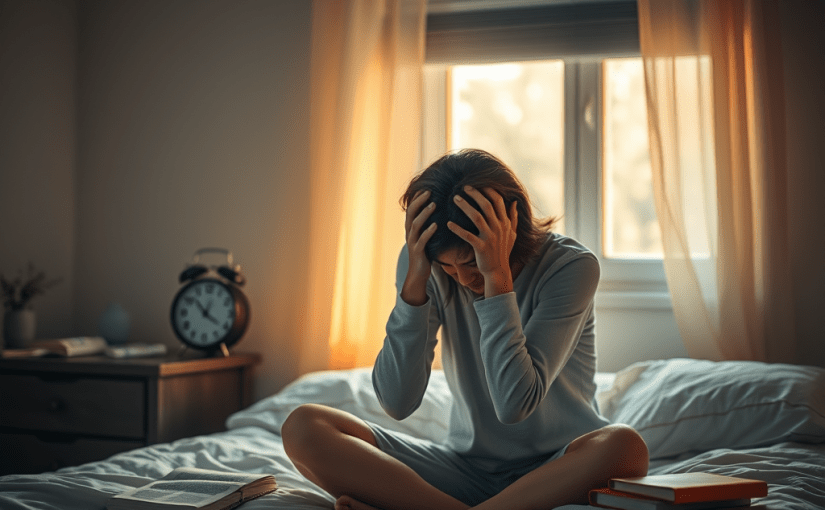
Living with depression isn’t just about feeling sad. It’s waking up exhausted even after sleeping for ten hours. It’s losing interest in things that used to bring you joy. It’s feeling like you’re moving through thick fog where everything takes tremendous effort. It’s the physical weight in your chest that makes even breathing feel difficult. It’s knowing logically that you have things to be grateful for, but being unable to feel that gratitude. It’s the guilt that comes with struggling when you “should” be able to function normally.
Understanding Depression: More Than Just Sadness
What Is Depression?
Depression, clinically known as Major Depressive Disorder (MDD), is a serious mental health condition that affects how you feel, think, and handle daily activities. Unlike normal sadness or grief, which are natural responses to life events, depression involves persistent symptoms that significantly impair your ability to function in daily life.
Key characteristics of depression:
- Symptoms that persist for at least two weeks
- Significant impact on work, relationships, or daily functioning
- Physical symptoms that feel very real and concerning
- Changes in sleep, appetite, energy, and concentration
- Feelings of hopelessness or worthlessness that feel overwhelming
The Different Types of Depression
Major Depressive Disorder (MDD):
- The most common form of depression
- Episodes lasting weeks, months, or longer
- Can be mild, moderate, or severe
- May occur once or recur throughout life
Persistent Depressive Disorder (Dysthymia):
- Chronic, lower-grade depression lasting at least two years
- Symptoms may be less severe but more consistent
- Often described as feeling like “this is just how I am”
- Can have major depressive episodes on top of baseline symptoms
Seasonal Affective Disorder (SAD):
- Depression that occurs at specific times of year, usually winter
- Related to reduced sunlight exposure
- Symptoms typically improve in spring and summer
- More common in northern climates
Postpartum Depression:
- Depression that occurs after childbirth
- More severe than “baby blues”
- Can significantly impact ability to care for baby and self
- Requires professional treatment
Depression with Chronic Illness:
- Depression that develops in response to or alongside medical conditions
- Can be reactive (response to illness) or biological (caused by illness/medications)
- Often overlooked or attributed solely to “being sick”
- Requires treatment of both depression and underlying condition
The Biology of Depression
Depression involves real changes in brain chemistry and function:
- Altered levels of neurotransmitters (serotonin, dopamine, norepinephrine)
- Changes in brain structure and activity
- Disrupted sleep and circadian rhythms
- Altered stress hormone (cortisol) production
- Inflammation that affects brain function
This is why depression isn’t something you can simply “think your way out of” – it involves physical changes that require proper treatment.
The Reality: What Depression Actually Feels Like
The Emotional Experience
Depression affects emotions in complex ways:
Persistent sadness: Not just feeling sad about something specific, but a deep, pervasive sadness that colors everything. It’s like looking at the world through gray-tinted glasses where nothing seems bright or hopeful.
Emotional numbness: Sometimes it’s not sadness but feeling nothing at all. You might watch a funny movie and realize you haven’t laughed. You see beautiful scenery and feel nothing. It’s like your emotional responses have been turned off.
Hopelessness: The crushing feeling that things will never get better, that this is just how life will always be. Future plans seem pointless because you can’t imagine feeling different than you do now.
Guilt and worthlessness: Feeling like you’re a burden on others, that you’re not contributing enough, that you’re fundamentally flawed. Every mistake feels like proof that you’re not good enough.
Irritability: Sometimes depression doesn’t look like sadness – it looks like being easily frustrated, snapping at people you love, or feeling angry about things that wouldn’t normally bother you.
The Physical Experience
Depression isn’t just “mental” – it creates real physical symptoms:
Fatigue: Bone-deep exhaustion that sleep doesn’t fix. Simple tasks like taking a shower or making breakfast feel overwhelming. You might sleep for 12 hours and still wake up tired. (Yes!)
Physical pain: Headaches, back pain, muscle aches that seem to have no clear cause. Depression can literally make your body hurt. (Again, yes!)
Sleep disturbances: Either sleeping too much (hypersomnia) or too little (insomnia). Even when you sleep, it’s often not restful. You might wake up frequently or have trouble falling asleep due to racing thoughts. (Yep, this is me too)
Appetite changes: Either losing interest in food completely or using food for comfort. Weight loss or gain that happens without intentional changes to diet.
Concentration problems: Difficulty focusing on tasks, making decisions, or remembering things. Reading becomes difficult because you can’t retain information. Work tasks that used to be easy become overwhelming.
Psychomotor changes: Either feeling slowed down (like moving through thick mud) or agitated (restless, unable to sit still).
The Cognitive Experience
Depression changes how you think:
Negative thought patterns: Your brain becomes really good at noticing everything that’s wrong while filtering out anything positive. It’s like having a critic in your head that provides constant commentary on your failures.
Difficulty making decisions: Even simple choices become overwhelming. What to wear, what to eat, whether to answer a text message – everything feels too difficult to decide.
Memory problems: Forgetting appointments, conversations, or tasks. This isn’t just being forgetful – depression can significantly impact memory formation and recall. (This is a huge problem for me)
Rumination: Getting stuck in cycles of negative thinking, replaying past mistakes or worrying about future problems without being able to solve them or move on.
Catastrophic thinking: Small problems feel enormous. Missing a deadline becomes “I’m going to get fired and lose everything.” A friend not texting back becomes “Everyone hates me and I have no one.”
The Social Experience
How depression affects relationships and social functioning:
Social withdrawal: Canceling plans, avoiding phone calls, isolating yourself from friends and family. Social interactions feel exhausting even when you love the people involved.
Communication changes: Difficulty expressing yourself, feeling like you have nothing interesting to say, or worry that you’re bringing others down with your problems.
Relationship strain: Partners, friends, and family may not understand why you can’t “just cheer up” or why you seem different than before.
Work and school impacts: Difficulty meeting deadlines, calling in sick more often, struggling with tasks that used to be routine.
Loss of interest: Activities you used to enjoy feel meaningless or overwhelming. Hobbies are abandoned, social invitations are declined, and life becomes very small.
The Myths vs. Reality: What Depression Actually Is
Myth: “Depression is just sadness or having a bad attitude”
Reality: Depression is a medical condition involving changes in brain chemistry, structure, and function. It’s not a choice, character flaw, or attitude problem.
Myth: “People with depression should just think positive or try harder”
Reality: Depression affects the ability to think positively or summon motivation. Telling someone with depression to “think positive” is like telling someone with a broken leg to “just walk normally.”
Myth: “Depression is a sign of weakness or personal failure”
Reality: Depression can affect anyone regardless of strength, intelligence, or character. Many successful, accomplished people live with depression.
Myth: “Antidepressants are a quick fix or cure for depression”
Reality: Antidepressants are tools that can help manage symptoms, but they’re not instant fixes. They work best combined with therapy and lifestyle changes, and finding the right medication often takes time.
Myth: “If you have depression, you’ll always be depressed”
Reality: Depression is highly treatable. Many people recover completely, while others learn to manage symptoms effectively and live full, meaningful lives.
Myth: “Depression only affects mood and emotions”
Reality: Depression affects thinking, physical health, behavior, and social functioning. It’s a whole-body condition that impacts every aspect of life.
Myth: “People with depression are always sad or crying”
Reality: Depression can look like irritability, anger, numbness, or appearing completely normal on the outside. Many people with depression become very good at hiding their symptoms.
Depression and Chronic Illness: The Complex Connection
Why Depression and Chronic Illness Often Occur Together
The relationship is both biological and psychological:
Biological connections: Many chronic illnesses involve inflammation, which can directly affect brain chemistry and contribute to depression. Additionally, medications used to treat chronic conditions can have depression as a side effect.
Psychological factors: Chronic illness involves ongoing stress, loss of function, changed identity, and uncertainty about the future – all of which can contribute to depression.
Lifestyle factors: Chronic illness may limit activities, social connections, and independence, creating conditions that foster depression.
Sleep and pain: Chronic pain and sleep disruption (common in many chronic conditions) are both strong risk factors for depression.
The Double Burden
Having both depression and chronic illness creates unique challenges:
Symptom overlap: Fatigue, pain, concentration problems, and sleep issues occur in both depression and many chronic conditions, making it difficult to know what’s causing what.
Treatment complications: Some treatments for chronic illness can worsen depression, while some depression treatments may affect chronic conditions.
Motivation challenges: Depression affects motivation and self-care, which can worsen chronic illness management. Poor chronic illness management can then worsen depression.
Healthcare complexity: Managing multiple conditions requires coordinating care between different providers who may not communicate well with each other.
Social isolation: Both conditions can lead to social withdrawal, compounding the isolation and lack of support.
Breaking the Cycle
Integrated treatment is often most effective:
- Treating depression can improve chronic illness management
- Better chronic illness control can reduce depression risk
- Addressing both simultaneously prevents each from undermining the other
- Working with healthcare providers who understand both conditions
- Building support systems that address both physical and mental health needs
Daily Life with Depression: What Management Really Looks Like
Morning Challenges
Depression often makes mornings particularly difficult:
- Overwhelming dread about facing the day
- Physical heaviness that makes getting out of bed feel impossible
- Decision paralysis about simple choices (what to wear, what to eat)
- Guilt about not being productive or “wasting” time in bed
- Anxiety about tasks that need to be accomplished
Morning management strategies:
- Simplifying morning routines to reduce decision-making
- Setting very small, achievable goals for the morning
- Having a consistent wake-up time even when motivation is low
- Preparing things the night before when possible
- Using light therapy for seasonal depression or morning energy
Work and Professional Life
How depression affects work functioning:
- Difficulty concentrating during meetings or while reading
- Procrastination due to feeling overwhelmed by tasks
- Calling in sick more frequently due to mental health symptoms
- Decreased productivity and efficiency
- Difficulty with interpersonal interactions at work
- Imposter syndrome and fear of being “found out”
Workplace strategies:
- Breaking large tasks into smaller, manageable steps
- Using calendars and reminders for important deadlines
- Taking regular breaks to prevent overwhelm
- Communicating with supervisors about accommodation needs when appropriate
- Seeking Employee Assistance Programs if available
Relationships and Social Life
Depression’s impact on relationships:
- Withdrawing from friends and family
- Difficulty maintaining conversations or showing interest in others
- Feeling like a burden on loved ones
- Canceling plans or declining invitations
- Irritability that strains relationships
- Difficulty expressing affection or appreciation
Relationship maintenance strategies:
- Communicating honestly about your struggles when appropriate
- Setting realistic expectations for social interaction
- Scheduling low-energy activities with loved ones
- Asking for specific support rather than suffering in silence
- Maintaining some social connections even when motivation is low
Self-Care and Daily Tasks
How depression affects basic self-care:
- Difficulty with personal hygiene (showering, brushing teeth)
- Neglecting household tasks (cleaning, laundry, dishes)
- Poor nutrition due to lack of appetite or energy to cook
- Avoiding medical appointments or self-care activities
- Letting bills or important tasks pile up
Self-care strategies:
- Setting very low bars for “good enough” on difficult days
- Preparing easy meal options for low-energy periods
- Automating bills and other recurring tasks when possible
- Having a “depression kit” with easy comfort items
- Celebrating small accomplishments without judgment
Treatment Options: A Comprehensive Approach
Therapy and Counseling
Cognitive Behavioral Therapy (CBT):
- Identifying and changing negative thought patterns
- Learning coping strategies for depression symptoms
- Behavioral activation to increase pleasant activities
- Problem-solving skills for daily challenges
Interpersonal Therapy (IPT):
- Focusing on relationship patterns and communication
- Addressing grief, role transitions, and interpersonal conflicts
- Improving social support and connection
- Particularly effective for depression related to relationship issues
Dialectical Behavior Therapy (DBT):
- Distress tolerance skills for managing intense emotions
- Emotion regulation techniques
- Mindfulness practices for present-moment awareness
- Interpersonal effectiveness skills
Psychodynamic Therapy:
- Exploring unconscious patterns and past experiences
- Understanding how early relationships affect current ones
- Developing insight into recurring themes in life
- Longer-term approach focusing on personality and relationship patterns
Medication Options
Selective Serotonin Reuptake Inhibitors (SSRIs):
- First-line treatment for most types of depression
- Examples: sertraline (Zoloft), escitalopram (Lexapro), fluoxetine (Prozac)
- Generally well-tolerated with manageable side effects
- Take 4-6 weeks to show full effects
Serotonin-Norepinephrine Reuptake Inhibitors (SNRIs):
- Examples: venlafaxine (Effexor), duloxetine (Cymbalta)
- Effective for depression, especially with anxiety or chronic pain
- May help with physical symptoms of depression
Atypical Antidepressants:
- Examples: bupropion (Wellbutrin), mirtazapine (Remeron)
- Different mechanisms of action than SSRIs/SNRIs
- May be helpful when other medications haven’t worked
- Can address specific symptoms like low energy or sleep problems
Tricyclic Antidepressants:
- Older class of antidepressants, still effective
- Examples: amitriptyline, nortriptyline
- More side effects than newer medications
- Sometimes used when other treatments haven’t worked
Mood Stabilizers:
- Examples: lithium, lamotrigine
- Used for bipolar depression or treatment-resistant depression
- Require regular blood monitoring
- Can be very effective for specific types of depression
Alternative and Complementary Treatments
Electroconvulsive Therapy (ECT):
- Highly effective for severe, treatment-resistant depression
- Involves controlled electrical stimulation of the brain
- Requires anesthesia and has temporary memory side effects
- Often considered when other treatments haven’t worked
Transcranial Magnetic Stimulation (TMS):
- Non-invasive brain stimulation therapy
- Uses magnetic fields to stimulate specific brain areas
- Fewer side effects than ECT
- Option for treatment-resistant depression
Light Therapy:
- Particularly effective for seasonal affective disorder
- Involves exposure to bright light, usually in the morning
- Can help regulate circadian rhythms
- May be helpful for other types of depression as well
Exercise and Physical Activity:
- Regular exercise can be as effective as medication for mild to moderate depression
- Releases endorphins and other mood-boosting chemicals
- Improves sleep and energy levels
- Social aspects of group exercise provide additional benefits
Lifestyle and Self-Management Approaches
Sleep Hygiene:
- Consistent sleep schedule and bedtime routine
- Creating a comfortable sleep environment
- Limiting screen time before bed
- Addressing sleep disorders that may worsen depression
Nutrition and Depression:
- Balanced diet with regular meals
- Omega-3 fatty acids for brain health
- Limiting alcohol and substances that worsen depression
- Staying hydrated and avoiding excessive caffeine
Mindfulness and Meditation:
- Present-moment awareness to interrupt rumination
- Self-compassion practices for self-criticism
- Body-based practices for physical symptoms
- Apps like Headspace, Calm, or Insight Timer
Social Connection:
- Maintaining relationships even when motivation is low
- Joining support groups for depression or chronic illness
- Volunteering or helping others when possible
- Participating in community activities or hobbies
Crisis Management: When Depression Becomes Dangerous
Recognizing Warning Signs
Signs that indicate need for immediate help:
- Thoughts of death or suicide
- Specific plans for self-harm
- Giving away possessions or saying goodbye
- Dramatic mood changes (especially sudden improvement after severe depression)
- Increased substance use
- Complete inability to function for several days
- Psychotic symptoms (hearing voices, delusions)
Suicide Prevention
If you’re having thoughts of suicide:
- Remember that suicidal thoughts are symptoms of depression, not reality
- Reach out for help immediately – you don’t have to handle this alone
- Remove means of self-harm from your environment
- Stay with supportive people or go to a safe place
- Use crisis resources available 24/7
Crisis resources:
- National Suicide Prevention Lifeline: 988
- Crisis Text Line: Text HOME to 741741
- National Suicide Prevention Lifeline Chat: suicidepreventionlifeline.org
- Your local emergency services: 911
- Emergency room at your nearest hospital
Safety Planning
Elements of a depression safety plan:
- Warning signs that indicate worsening depression
- Coping strategies that have helped in the past
- People you can contact for support
- Healthcare provider emergency contact information
- Crisis hotline numbers
- Steps to make your environment safer during crisis
- Reasons for living and future goals
Supporting Someone in Crisis
If someone you love is in crisis:
- Take all talk of suicide seriously
- Listen without judgment
- Don’t promise to keep suicide plans secret
- Help them access professional help immediately
- Stay with them or ensure they’re not alone
- Remove potential means of self-harm if possible
- Follow up after the crisis has passed
For Family and Friends: How to Support Someone with Depression
Understanding the Reality
What family and friends need to know:
- Depression is a real medical condition, not a choice or weakness
- You can’t love someone out of depression
- Recovery takes time and often requires professional help
- Your support matters enormously, even when it doesn’t seem to help
- Taking care of yourself is important too
What TO Do
Provide emotional support:
- Listen without trying to fix or judge
- Validate their feelings and experiences
- Learn about depression to better understand what they’re going through
- Be patient with their recovery process
- Celebrate small improvements and victories
Offer practical support:
- Help with daily tasks like cooking, cleaning, or errands
- Assist with finding mental health resources
- Accompany them to appointments if they’d like support
- Help them maintain routines and structure
- Encourage (but don’t force) self-care activities
Maintain connection:
- Continue to invite them to activities, even if they often decline
- Check in regularly without being overwhelming
- Include them in family/friend gatherings in low-pressure ways
- Be consistent in your support over time
- Don’t take their symptoms personally
What NOT to Do
Avoid these harmful approaches:
- Don’t tell them to “snap out of it,” “think positive,” or “just be grateful”
- Don’t suggest that depression is a choice or that they’re not trying hard enough
- Don’t compare them to others or minimize their struggles
- Don’t take over their life or make all their decisions
- Don’t enable destructive behaviors, but don’t shame them either
- Don’t get frustrated if they don’t get better quickly
Avoid these common mistakes:
- Don’t assume you know what will help without asking
- Don’t force them to socialize or be active before they’re ready
- Don’t constantly ask how they’re feeling
- Don’t make their depression about you or your feelings
- Don’t give up on them, even when progress seems slow
Supporting Different Aspects of Depression
For severe fatigue:
- Understand that exhaustion is a real symptom, not laziness
- Help with tasks that require energy when possible
- Don’t pressure them to be more active than they can handle
- Support their need for rest without making them feel guilty
For social withdrawal:
- Continue reaching out even when they don’t respond
- Offer low-energy social options (watching movies, sitting together)
- Don’t take their need for space personally
- Include them in planning without pressuring them to participate
For negative thinking:
- Don’t argue with their negative thoughts or try to talk them out of feelings
- Provide gentle reality checks when appropriate
- Share positive observations about them without dismissing their struggles
- Encourage professional help for persistent negative thinking patterns
Living Well with Depression: Long-Term Management
Building a Support System
Creating comprehensive support:
- Healthcare team including primary care doctor, therapist, and possibly psychiatrist
- Family and friends who understand depression
- Support groups for people with depression
- Community connections through work, hobbies, or volunteering
- Professional resources for crisis situations
Developing Coping Skills
Building resilience over time:
- Learning to recognize early warning signs of depression episodes
- Developing a toolkit of coping strategies that work for you
- Practicing self-compassion during difficult periods
- Building meaning and purpose in life beyond depression management
- Creating structure and routine that supports mental health
Medication Management
Working effectively with psychiatric medications:
- Taking medications consistently as prescribed
- Communicating openly with prescribers about effects and side effects
- Understanding that finding the right medication may take time
- Not stopping medications abruptly without medical supervision
- Regular monitoring and adjustment as needed
Lifestyle as Medicine
Creating a depression-friendly lifestyle:
- Regular sleep schedule and good sleep hygiene
- Physical activity appropriate for your energy level and abilities
- Balanced nutrition that supports brain health
- Stress management techniques built into daily routine
- Social connections and meaningful relationships
- Activities that provide purpose and enjoyment
- Limiting alcohol and substances that worsen depression
Relapse Prevention
Staying well long-term:
- Continuing treatment even when feeling better
- Recognizing and addressing early warning signs
- Having a plan for managing stress and major life changes
- Maintaining healthy habits during good periods
- Building resilience through ongoing self-care
- Staying connected with support systems
Frequently Asked Questions
How long does depression last? Depression episodes can last weeks, months, or longer without treatment. With proper treatment, many people see improvement within a few months. Some people have one episode, while others experience recurring episodes throughout life.
Can depression be cured completely? While there’s no “cure” for depression in the traditional sense, it’s highly treatable. Many people recover completely and never experience another episode. Others learn to manage their condition effectively and live full, satisfying lives.
Will I need to take antidepressants forever? This varies by individual. Some people take medications short-term during episodes, while others benefit from long-term maintenance therapy. Your healthcare provider can help determine the best approach for your situation.
Can depression affect my physical health? Yes, untreated depression can contribute to physical health problems including heart disease, diabetes, chronic pain, and immune system dysfunction. Managing depression is important for overall health.
Is it normal to feel worse before feeling better with treatment? Some people experience temporary worsening of symptoms when starting new medications or therapy. This usually improves within a few weeks. Always communicate with your healthcare provider about how you’re responding to treatment.
Can children and teenagers have depression? Yes, depression can occur at any age. In young people, it may look like irritability, anger, or behavioral problems rather than obvious sadness. Professional evaluation is important for accurate diagnosis and treatment.
Resources for Depression Support
Professional Help
Finding mental health providers:
- Psychology Today provider directory
- Your primary care doctor for referrals
- Insurance company provider networks
- Community mental health centers
- National Alliance on Mental Illness (NAMI) local chapters
- Employee assistance programs through work
Types of mental health providers:
- Psychiatrists for medication management and some therapy
- Psychologists for therapy and psychological testing
- Licensed clinical social workers for therapy and case management
- Licensed professional counselors for therapy
- Psychiatric nurse practitioners for medication and some therapy
Self-Help Resources
Books about depression:
- “Feeling Good” by David D. Burns
- “The Depression Cure” by Stephen S. Ilardi
- “Mind Over Mood” by Dennis Greenberger and Christine Padesky
- “The Mindful Way Through Depression” by Williams, Teasdale, Segal, and Kabat-Zinn
Apps for depression management:
- Sanvello for mood tracking and CBT tools
- Moodpath for mood assessment and monitoring
- Talkspace or BetterHelp for online therapy
- Headspace or Calm for meditation and mindfulness
- Youper for mood tracking and emotional support
Online resources:
- National Institute of Mental Health (nimh.nih.gov)
- Depression and Bipolar Support Alliance (dbsalliance.org)
- Mental Health America (mhanational.org)
- American Psychological Association (apa.org)
Support Groups and Communities
Finding peer support:
- Depression and Bipolar Support Alliance support groups
- NAMI support groups for mental health conditions
- Online communities like 7 Cups or Mental Health America support groups
- Meetup groups for people with depression in your area
- Hospital or clinic-sponsored support groups
- Faith-based support groups if spirituality is important to you
The Bottom Line
Living with depression is one of the most challenging experiences a person can face, but it’s absolutely possible to recover and build a meaningful, fulfilling life. Depression is not a personal failing, a sign of weakness, or something you should be able to overcome through willpower alone. It’s a serious medical condition that deserves proper treatment, support, and compassion – starting with compassion for yourself.
Key truths about depression:
- It’s a real medical condition with effective treatments available
- Recovery is possible, though it often takes time and patience
- You don’t have to suffer in silence – help is available
- Small steps forward are still progress worth celebrating
- Having depression doesn’t define your worth or limit your potential
- Many people live full, successful lives while managing depression
Remember:
- Your depression symptoms are valid, even when others can’t see them
- Seeking help is a sign of strength and self-care, not weakness
- Progress isn’t always linear – setbacks are part of the process
- You deserve support, understanding, and effective treatment
- Your experiences with depression can help others feel less alone
- There is hope, even when depression makes it impossible to see
Depression may be part of your story, but it doesn’t have to be the end of your story. With proper treatment, support, and self-compassion, you can learn to manage depression while pursuing your goals, maintaining relationships, and finding joy and meaning in life.
Whether you’re in the depths of a depressive episode, working on recovery, or supporting someone you love, remember that you’re not alone in this journey. Millions of people navigate depression successfully, and with time, patience, and proper support, healing and hope are possible.
The darkness of depression is real, but it’s not permanent. There is light ahead, even when you can’t see it yet.
Living with depression or supporting someone who is? Share your experiences and sources of hope in the comments below. Your story might be exactly what someone else needs to hear today.



 Chronically Hustling