

COPD (Chronic Obstructive Pulmonary Disease): Understanding, Managing, and Living with Breathing Challenges (A Complete Guide)

If you’re living with COPD, you know it’s not just about being “short of breath” – it’s about the constant awareness of every breath, the exhaustion that comes from simple activities, and the fear that accompanies feeling like you can’t get enough air. If you love someone with COPD, understanding that breathing difficulties affect every aspect of daily life can help you provide meaningful support. COPD affects over 16 million Americans, with millions more undiagnosed, and remains one of the leading causes of death and disability. Whether you’re newly diagnosed, managing advanced COPD, or supporting someone on this journey, this guide will provide the comprehensive information and understanding you need.

Living with COPD means your relationship with breathing – something most people never think about – becomes central to every decision you make. It’s planning your day around your energy levels, carrying rescue inhalers everywhere, and learning to pace activities in ways you never had to before. It’s the frustration of looking healthy while struggling to catch your breath, and the fear that comes with knowing your breathing will likely get worse over time, not better.

Understanding COPD: When Breathing Becomes Work

What Is COPD?

Chronic Obstructive Pulmonary Disease (COPD) is a progressive lung disease that makes it difficult to breathe. COPD is actually an umbrella term for two main conditions that often occur together:

Chronic Bronchitis: Inflammation and narrowing of the airways (bronchi) that carry air to the lungs, causing persistent cough and mucus production.

Emphysema: Damage to the air sacs (alveoli) in the lungs, reducing the surface area available for oxygen exchange and making it hard to exhale completely.

Most people with COPD have both conditions to varying degrees. The disease is characterized by airflow limitation that is not fully reversible and typically gets worse over time.

How COPD Affects Your Breathing

In healthy lungs:

  • Airways are clear and elastic
  • Air sacs exchange oxygen and carbon dioxide efficiently
  • Breathing in and out happens easily and automatically

In COPD-damaged lungs:

  • Airways become inflamed, thickened, and produce excess mucus
  • Air sacs lose their elasticity and may be destroyed
  • Air gets trapped in the lungs, making exhalation difficult
  • Less oxygen reaches the bloodstream
  • Carbon dioxide builds up in the body

This creates a cascade of problems: Poor oxygen delivery makes you feel tired and weak. Trapped air makes you feel like you can’t catch your breath. Excess mucus causes persistent coughing. The extra work of breathing becomes exhausting.

Stages of COPD

COPD severity is measured using spirometry, a breathing test that measures how much air you can blow out and how fast. The stages help guide treatment:

Stage 1 (Mild COPD): FEV1 ≥ 80% of predicted

  • You may not notice symptoms yet
  • Might have occasional cough or mucus production
  • Lung function tests show some airflow limitation

Stage 2 (Moderate COPD): FEV1 50-79% of predicted

  • Symptoms become more noticeable
  • Shortness of breath during exertion
  • Persistent cough and mucus production
  • May start affecting daily activities

Stage 3 (Severe COPD): FEV1 30-49% of predicted

  • Significant shortness of breath
  • Reduced exercise tolerance
  • Frequent exacerbations (flare-ups)
  • Fatigue and reduced quality of life

Stage 4 (Very Severe COPD): FEV1 < 30% of predicted

  • Severe shortness of breath at rest
  • Significant limitation of daily activities
  • Life-threatening exacerbations
  • May require oxygen therapy

What Causes COPD?

Cigarette smoking: The leading cause, responsible for 85-90% of COPD cases

  • Includes current smokers and former smokers
  • Secondhand smoke exposure also increases risk
  • The longer and more you smoke, the higher the risk

Alpha-1 antitrypsin deficiency: Genetic condition affecting about 1-5% of COPD cases

  • Inherited disorder that reduces a protective protein in the lungs
  • Can cause COPD even in people who never smoked
  • Often develops at a younger age than smoking-related COPD

Occupational and environmental exposures:

  • Long-term exposure to dust, chemicals, or fumes at work
  • Air pollution and poor indoor air quality
  • Biomass fuel exposure (wood-burning stoves, cooking fires)
  • Coal dust, silica, cadmium, and other workplace toxins

Other factors:

  • Severe childhood respiratory infections
  • Asthma that’s poorly controlled over time
  • Rare genetic conditions affecting lung development

Important note: While smoking is the most common cause, about 25% of people with COPD never smoked. COPD can affect anyone, regardless of smoking history.

The Reality: What COPD Actually Feels Like

The Physical Experience of Breathing Difficulties

Shortness of breath (dyspnea): This isn’t just feeling winded after exercise – it’s feeling like you can’t get enough air during activities that used to be easy. Climbing stairs, carrying groceries, or even talking for extended periods can leave you gasping. As COPD progresses, you might feel short of breath even at rest.

The feeling of suffocation: During severe episodes, it can feel like you’re drowning in air – like you’re breathing through a straw while someone is sitting on your chest. This creates intense anxiety and panic, which makes breathing even harder.

Chronic cough: Often called “smoker’s cough,” this persistent cough produces thick, sometimes colored mucus. You might cough most in the morning or during weather changes. The coughing can be exhausting and disruptive to sleep and social situations.

Wheezing: A whistling or squeaky sound when breathing, especially when exhaling. Some people wheeze only during exertion or respiratory infections, while others wheeze constantly.

Chest tightness: Feeling like someone is squeezing your chest or like you’re wearing a tight band around your ribs. This can be constant or come and go.

Fatigue beyond tired: When your body isn’t getting enough oxygen, every activity becomes exhausting. Simple tasks like showering or preparing meals can leave you needing to rest for extended periods.

The Emotional and Psychological Impact

Anxiety about breathing: When breathing becomes difficult, anxiety is a natural response. This creates a vicious cycle – anxiety makes breathing worse, which increases anxiety. Many people with COPD develop panic attacks triggered by breathing difficulties.

Fear of exacerbations: COPD flare-ups can be terrifying and life-threatening. Many people live in constant fear of their next exacerbation, which can lead to avoiding activities and social isolation.

Depression: The limitations imposed by COPD, combined with poor sleep and reduced oxygen to the brain, contribute to high rates of depression among people with COPD.

Loss of independence: Gradually needing help with activities you used to do easily affects self-esteem and sense of identity.

Guilt and shame: People often blame themselves for developing COPD, especially if they smoked. This guilt can prevent them from seeking help or being honest with healthcare providers.

Grief for lost abilities: Mourning the activities, hobbies, and lifestyle you can no longer maintain due to breathing limitations.

The Social and Practical Impact

Activity limitations: COPD affects your ability to work, exercise, travel, and participate in social activities. Many people gradually reduce their activities to avoid breathlessness, leading to a smaller and smaller world.

Communication challenges: Talking can be exhausting when you’re short of breath. Phone conversations, meetings, or social gatherings become difficult when you need to pause frequently to catch your breath.

Sleep disruption: COPD symptoms often worsen at night. Lying flat can make breathing harder, and coughing can keep you and your partner awake.

Weather sensitivity: Cold air, humidity, air pollution, and weather changes can trigger symptoms or exacerbations, limiting when and where you can go outside.

Intimacy changes: Shortness of breath affects physical intimacy and can strain relationships when partners don’t understand the limitations.

The Myths vs. Reality: What COPD Actually Is

Myth: “COPD only affects smokers, so they deserve it”

Reality: While smoking is the leading cause, 25% of people with COPD never smoked. COPD can result from genetics, occupational exposures, air pollution, or childhood infections. Regardless of cause, everyone deserves compassionate care and support.

Myth: “Nothing can be done for COPD – it’s a death sentence”

Reality: While COPD is progressive and incurable, many treatments can significantly improve symptoms, slow progression, and improve quality of life. Many people live with COPD for decades with proper management.

Myth: “Exercise makes COPD worse”

Reality: Appropriate exercise is one of the most effective treatments for COPD. Pulmonary rehabilitation programs help people exercise safely and can dramatically improve symptoms and quality of life.

Myth: “Oxygen therapy means you’re dying”

Reality: Oxygen therapy helps people with COPD live longer, more active lives. It’s prescribed when oxygen levels are too low, not as a last resort. Many people use oxygen for years while maintaining active lifestyles.

Myth: “COPD medications are addictive”

Reality: COPD inhalers and medications are not addictive. They’re essential treatments that help keep airways open and reduce inflammation. Some people worry about “dependence,” but using prescribed medications as directed is necessary for managing the disease.

Myth: “If you have COPD, you should avoid all physical activity”

Reality: While you may need to modify activities and pace yourself, staying as active as possible is crucial for maintaining lung function and overall health. Complete inactivity leads to rapid deconditioning.

Myth: “COPD only affects the lungs”

Reality: COPD is a systemic disease that affects the heart, muscles, bones, and mental health. Poor oxygenation and chronic inflammation impact the entire body.

Daily Life with COPD: What Management Really Looks Like

Managing Medications and Inhalers

COPD typically requires multiple medications:

Bronchodilators: Medications that open the airways

  • Short-acting (rescue inhalers): Used for immediate relief of symptoms
  • Long-acting: Used daily to keep airways open
  • Beta-agonists and anticholinergics: Different types that work in different ways

Inhaled corticosteroids: Reduce inflammation in the airways

  • Often combined with bronchodilators in a single inhaler
  • Help prevent exacerbations
  • Don’t work like rescue medications – effects build over time

The reality of using inhalers:

  • Many people use 2-4 different inhalers daily
  • Each inhaler has specific techniques for proper use
  • Timing matters – some are taken twice daily, others as needed
  • Spacer devices may be needed for proper medication delivery
  • Regular cleaning and replacement of devices is essential

Common challenges:

  • Remembering which inhaler to use when
  • Coordinating breathing and inhaler activation
  • Keeping track of doses remaining
  • Affording multiple expensive medications
  • Managing side effects like oral thrush or hoarse voice

Oxygen Therapy Management

When oxygen is prescribed:

  • Usually when oxygen saturation falls below 88-90%
  • May be needed only during sleep, exercise, or continuously
  • Prescribed based on specific medical criteria, not just feeling short of breath

Types of oxygen delivery:

  • Oxygen concentrators: Plug-in machines for home use
  • Portable oxygen concentrators: Battery-powered for mobility
  • Compressed gas tanks: Backup or for specific situations
  • Liquid oxygen: More portable but requires special handling

Daily life with oxygen:

  • Planning activities around oxygen supply and battery life
  • Learning to travel safely with oxygen equipment
  • Managing tubing to prevent tripping or disconnection
  • Dealing with dry nasal passages from oxygen flow
  • Addressing social anxiety about using oxygen in public

Energy Conservation and Pacing

Learning to pace activities:

  • Breaking tasks into smaller segments with rest periods
  • Planning high-energy activities for times when you feel best
  • Using energy-saving techniques for daily tasks
  • Prioritizing activities that are most important to you

Activity modification techniques:

  • Sitting while doing tasks usually done standing
  • Using tools and devices that reduce effort
  • Organizing living spaces to minimize walking and reaching
  • Scheduling activities to avoid rushing

Breathing techniques:

  • Pursed lip breathing: Breathing in through nose, out through pursed lips
  • Diaphragmatic breathing: Using the diaphragm instead of chest muscles
  • Paced breathing: Coordinating breathing with activities
  • Relaxation breathing: Managing anxiety and panic

Managing Exacerbations (Flare-ups)

Recognizing exacerbation symptoms:

  • Increased shortness of breath beyond your usual level
  • Changes in mucus color, amount, or thickness
  • Increased cough or wheezing
  • Fever or feeling generally unwell
  • Swelling in legs or ankles
  • Confusion or difficulty concentrating

Exacerbation action plans:

  • Written instructions from your healthcare provider
  • When to use rescue medications
  • When to start antibiotics or steroids
  • When to call your doctor vs. go to emergency room
  • Emergency contact information readily available

Preventing exacerbations:

  • Getting annual flu shots and pneumonia vaccines
  • Avoiding crowds during flu season
  • Managing stress and getting adequate rest
  • Following medication regimens consistently
  • Recognizing and avoiding personal triggers

Treatment Options: Comprehensive COPD Management

Medications

Bronchodilators:

  • Short-acting beta-agonists (SABA): Albuterol for quick relief
  • Short-acting anticholinergics (SAMA): Ipratropium for rescue use
  • Long-acting beta-agonists (LABA): Formoterol, salmeterol for daily use
  • Long-acting anticholinergics (LAMA): Tiotropium, umeclidinium for daily use
  • Combination inhalers: Multiple medications in one device

Anti-inflammatory medications:

  • Inhaled corticosteroids: Reduce airway inflammation
  • Oral corticosteroids: For exacerbations or severe disease
  • PDE4 inhibitors: Roflumilast for severe COPD with chronic bronchitis

Other medications:

  • Mucolytics: Help thin mucus for easier clearance
  • Antibiotics: For bacterial infections causing exacerbations
  • Oxygen therapy: When blood oxygen levels are too low

Pulmonary Rehabilitation

What pulmonary rehabilitation includes:

  • Supervised exercise training tailored to your abilities
  • Education about COPD management and breathing techniques
  • Nutritional counseling and meal planning
  • Psychological support and stress management
  • Social support from others with lung disease

Benefits of pulmonary rehabilitation:

  • Improved exercise tolerance and reduced shortness of breath
  • Better quality of life and reduced anxiety/depression
  • Fewer hospitalizations and emergency room visits
  • Enhanced ability to perform daily activities
  • Increased confidence in managing COPD

Typical program structure:

  • 6-12 week programs meeting 2-3 times per week
  • Combination of aerobic exercise, strength training, and education
  • Individualized exercise prescriptions based on your capabilities
  • Ongoing support and maintenance programs after completion

Surgical Options

Lung volume reduction surgery (LVRS):

  • Removes damaged portions of lung to help healthier areas work better
  • Only appropriate for select patients with severe emphysema
  • Can improve breathing and quality of life in suitable candidates
  • Requires extensive evaluation and carries surgical risks

Lung transplantation:

  • Considered for end-stage COPD in appropriate candidates
  • Single or double lung transplant depending on individual factors
  • Requires extensive evaluation and long-term immunosuppression
  • Can dramatically improve quality of life and survival in selected patients

Bronchoscopic procedures:

  • Endobronchial valves: Block airflow to damaged lung areas
  • Bronchoscopic lung volume reduction: Less invasive than surgery
  • Bronchial thermoplasty: Reduces smooth muscle in airways
  • Newer procedures with less risk than surgery but more limited benefits

Oxygen Therapy

When oxygen is prescribed:

  • Blood oxygen saturation consistently below 88-90%
  • During exercise if levels drop significantly
  • During sleep if nocturnal desaturation occurs
  • May be temporary during illnesses or exacerbations

Benefits of oxygen therapy:

  • Improves survival in people with severe COPD
  • Reduces strain on the heart
  • Improves exercise tolerance and quality of life
  • May improve sleep quality and cognitive function

Types of oxygen systems:

  • Stationary concentrators: For home use, most economical
  • Portable concentrators: Battery-powered for mobility
  • Compressed gas cylinders: Backup or for high-flow needs
  • Liquid oxygen: Very portable but requires special delivery

Lifestyle Management and Prevention

Smoking Cessation

The most important intervention for COPD:

  • Slows disease progression more than any medication
  • Reduces risk of exacerbations and hospitalizations
  • Improves circulation and immune system function
  • Benefits begin within weeks of quitting

Quitting strategies:

  • Nicotine replacement therapy (patches, gum, lozenges)
  • Prescription medications (varenicline, bupropion)
  • Counseling and support groups
  • Gradual reduction vs. cold turkey approaches
  • Addressing triggers and developing coping strategies

Challenges of quitting with COPD:

  • Fear that symptoms will worsen initially
  • Using smoking to cope with COPD-related anxiety
  • Concerns about weight gain when breathing is already difficult
  • Breaking long-established habits and routines

Nutrition and COPD

Why nutrition matters with COPD:

  • Breathing requires significant energy, increasing caloric needs
  • Malnutrition weakens respiratory muscles
  • Excess weight strains the respiratory system
  • Proper nutrition supports immune system function

Common nutritional challenges:

  • Poor appetite due to medications or feeling unwell
  • Difficulty eating when short of breath
  • Early satiety from enlarged lungs pressing on stomach
  • Increased energy expenditure from breathing difficulties

Nutritional strategies:

  • Frequent small meals instead of large ones
  • High-calorie, nutrient-dense foods
  • Adequate protein for muscle maintenance
  • Staying hydrated to thin mucus secretions
  • Working with dietitians familiar with COPD

Exercise and Physical Activity

Benefits of exercise for COPD:

  • Improves cardiovascular fitness and muscle strength
  • Increases exercise tolerance and reduces breathlessness
  • Helps maintain independence and quality of life
  • Reduces anxiety and depression
  • May slow disease progression

Types of beneficial exercise:

  • Aerobic exercise: Walking, cycling, swimming at appropriate intensity
  • Strength training: Light weights or resistance bands for muscle maintenance
  • Flexibility exercises: Stretching and yoga for mobility
  • Breathing exercises: Specific techniques to improve breathing efficiency

Exercise safety considerations:

  • Start slowly and progress gradually
  • Monitor oxygen saturation during exercise if prescribed
  • Use supplemental oxygen during exercise if needed
  • Stop exercising if experiencing chest pain, dizziness, or severe breathlessness
  • Work with healthcare providers to develop safe exercise plans

Environmental Management

Indoor air quality:

  • Using air purifiers to remove pollutants and allergens
  • Maintaining proper humidity levels (30-50%)
  • Avoiding strong fragrances, cleaning chemicals, and smoke
  • Ensuring proper ventilation in living spaces
  • Regular cleaning to reduce dust and allergens

Outdoor considerations:

  • Monitoring air quality indexes before going outside
  • Avoiding outdoor activities during high pollution days
  • Limiting exposure during temperature extremes
  • Wearing masks in dusty or polluted environments
  • Planning activities for times when air quality is best

COPD Exacerbations: Recognition and Management

Understanding Exacerbations

What constitutes an exacerbation:

  • Worsening of symptoms beyond day-to-day variation
  • Usually involves increased dyspnea, cough, and/or sputum
  • May include changes in sputum color or consistency
  • Can be mild (managed at home) or severe (requiring hospitalization)

Common triggers:

  • Respiratory infections: Viral or bacterial infections
  • Air pollution: Smog, smoke, chemical fumes
  • Weather changes: Cold air, high humidity, barometric pressure changes
  • Allergens: Pollen, dust, pet dander
  • Stress: Physical or emotional stress can trigger symptoms
  • Medication non-adherence: Skipping or reducing prescribed medications

Managing Exacerbations at Home

Early intervention strategies:

  • Using action plans provided by healthcare providers
  • Increasing rescue inhaler use as directed
  • Starting prescribed antibiotics or steroids if indicated
  • Maintaining adequate hydration and rest
  • Using breathing techniques to manage anxiety

When to seek medical attention:

  • Severe breathlessness that doesn’t respond to rescue medications
  • Fever with worsening respiratory symptoms
  • Changes in mental status or confusion
  • Chest pain or heart palpitations
  • Inability to sleep due to breathing difficulties
  • Swelling in legs or ankles

Hospitalization for Severe Exacerbations

What to expect during hospitalization:

  • Oxygen therapy to maintain adequate blood oxygen levels
  • Intravenous or oral corticosteroids to reduce inflammation
  • Nebulized bronchodilators for maximum medication delivery
  • Antibiotics if bacterial infection is suspected
  • Monitoring for complications like respiratory failure

Discharge planning:

  • Medication adjustments based on exacerbation triggers
  • Follow-up appointments with pulmonologist or primary care
  • Referral to pulmonary rehabilitation if not previously completed
  • Review of inhaler techniques and action plan updates
  • Home oxygen evaluation if oxygen levels remain low

For Family and Friends: How to Support Someone with COPD

Understanding the Daily Impact

What family and friends need to know:

  • COPD symptoms can vary significantly from day to day
  • Simple activities can be exhausting when breathing is difficult
  • Anxiety about breathing is normal and makes symptoms worse
  • Many people with COPD feel guilty or ashamed about their condition
  • Support and understanding significantly improve quality of life

What TO Do

Provide practical support:

  • Help with household tasks that require physical exertion
  • Assist with grocery shopping and meal preparation
  • Offer transportation to medical appointments
  • Help organize medications and oxygen equipment
  • Research resources and support services in your community

Support lifestyle changes:

  • Encourage smoking cessation efforts without nagging
  • Learn about COPD-friendly foods and cooking methods
  • Find activities you can enjoy together that don’t require high exertion
  • Help create a clean, smoke-free environment
  • Support participation in pulmonary rehabilitation

Offer emotional support:

  • Listen without judgment when they express frustration or fear
  • Learn about COPD so you can understand their experience
  • Encourage them to express their feelings about living with COPD
  • Be patient with their changing energy levels and limitations
  • Help them maintain social connections and activities they enjoy

Learn emergency management:

  • Know the signs of COPD exacerbations
  • Understand when to call for medical help
  • Learn how to assist with rescue medications
  • Know the location of emergency action plans and medications
  • Practice staying calm during breathing emergencies

What NOT to Do

Avoid these approaches:

  • Don’t blame them for their condition, even if smoking-related
  • Don’t minimize their breathing difficulties or tell them to “just breathe”
  • Don’t take over all activities – encourage independence when possible
  • Don’t expose them to cigarette smoke, strong perfumes, or pollutants
  • Don’t push them to exercise or be active beyond their capabilities
  • Don’t make them feel guilty for needing help or accommodations

Supporting Specific Aspects of COPD

For oxygen users:

  • Learn how oxygen equipment works and troubleshoot basic problems
  • Help ensure adequate oxygen supplies and equipment maintenance
  • Support their use of oxygen in public without embarrassment
  • Understand oxygen safety precautions (no smoking, electrical safety)
  • Help them plan activities around oxygen needs and battery life

For medication management:

  • Learn about their specific medications and proper inhaler techniques
  • Help organize complex medication schedules
  • Assist with insurance issues or medication costs
  • Encourage consistent medication use even when feeling well
  • Support them in communicating with healthcare providers about side effects

For activity modification:

  • Help pace activities and encourage frequent rest breaks
  • Suggest energy-saving techniques for daily tasks
  • Find enjoyable activities that accommodate breathing limitations
  • Support their participation in pulmonary rehabilitation
  • Encourage realistic goal-setting for physical activities

Advanced COPD: End-Stage Management and Planning

Understanding End-Stage COPD

Characteristics of very severe COPD:

  • Severe breathlessness even at rest
  • Frequent hospitalizations for exacerbations
  • Significant limitation of daily activities
  • Poor response to standard medications
  • Consideration of lung transplant or palliative care

Treatment Options for Advanced COPD

Intensive medical management:

  • Optimizing all available medications
  • Long-term oxygen therapy
  • Non-invasive ventilation for breathing support
  • Aggressive management of comorbid conditions
  • Nutritional support and physical therapy

Palliative care:

  • Specialized care focused on comfort and quality of life
  • Can be provided alongside curative treatments
  • Addresses physical symptoms, emotional distress, and spiritual concerns
  • Helps with difficult medical decisions and advance planning
  • Provides support for families as well as patients

Hospice care:

  • For end-stage COPD when cure-focused treatment is no longer beneficial
  • Emphasis on comfort, dignity, and quality of life
  • Can be provided in home, hospice facility, or hospital settings
  • Includes medical care, emotional support, and spiritual care
  • Supports families through the dying process and bereavement

Advance Care Planning

Important decisions to consider:

  • Preferences for life-sustaining treatments (ventilators, feeding tubes)
  • Wishes regarding hospitalization vs. comfort care at home
  • Healthcare proxy designation for decision-making
  • Living will documentation of treatment preferences
  • Organ donation decisions

Discussing goals of care:

  • What does quality of life mean to you?
  • What are your hopes and fears about the future?
  • How do you want to spend your remaining time?
  • What kind of care aligns with your values?
  • How can your family best support your wishes?

Frequently Asked Questions

Can COPD be reversed or cured? COPD damage to the lungs is permanent and cannot be reversed. However, symptoms can be managed, disease progression can be slowed, and quality of life can be significantly improved with proper treatment.

How long can you live with COPD? This varies greatly depending on the stage at diagnosis, overall health, response to treatment, and lifestyle factors. Many people live for decades with COPD, especially when diagnosed early and managed well.

Should I exercise if I have COPD? Yes, appropriate exercise is one of the most beneficial treatments for COPD. Pulmonary rehabilitation programs can help you exercise safely and effectively. Start slowly and work with healthcare providers to develop a safe exercise plan.

Will I definitely need oxygen therapy? Not everyone with COPD needs oxygen therapy. It’s prescribed based on blood oxygen levels, not the severity of breathlessness. Many people with COPD never require supplemental oxygen.

Can I travel with COPD? Many people with COPD travel successfully with proper planning. This may involve arranging oxygen for flights, bringing extra medications, and having action plans for managing symptoms while away from home.

How do I know if my COPD is getting worse? Regular monitoring with your healthcare provider, including spirometry tests, helps track disease progression. Worsening symptoms, more frequent exacerbations, or reduced activity tolerance may indicate progression.

Resources for COPD Support

Professional Organizations

COPD Foundation: copdfoundation.org – Comprehensive COPD information, support groups, and advocacy

American Lung Association: lung.org – Educational resources, support programs, and local services

Global Initiative for Chronic Obstructive Lung Disease (GOLD): goldcopd.org – International guidelines and research

National Heart, Lung, and Blood Institute: nhlbi.nih.gov – Government health information and research updates

Support and Education

COPD360social: Community platform for people with COPD and their families

Better Breathers Clubs: American Lung Association support groups in communities nationwide

Pulmonary rehabilitation programs: Ask your healthcare provider for local programs

COPD support groups: Both in-person and online communities for peer support

Practical Resources

Oxygen supplier companies: Provide equipment, training, and 24/7 support services

Medicare and insurance: Coverage for COPD medications, oxygen, and pulmonary rehabilitation

Patient assistance programs: Help with medication costs from pharmaceutical companies

American Lung Association HelpLine: 1-800-LUNGUSA for questions and support

Educational Materials

COPD action plans: Downloadable templates for managing exacerbations

Inhaler technique videos: Proper use instructions for different inhaler types

Exercise programs: Home-based exercises designed for people with COPD

Nutrition guides: COPD-specific dietary recommendations and meal planning

The Bottom Line

COPD is a serious, progressive lung disease that significantly impacts breathing and quality of life. While there is no cure, COPD is manageable with proper treatment, lifestyle modifications, and support. Many people with COPD live active, fulfilling lives for years or decades after diagnosis.

Key truths about living with COPD:

  • Early diagnosis and treatment can slow disease progression significantly
  • Smoking cessation is the most important intervention at any stage
  • Exercise and pulmonary rehabilitation dramatically improve symptoms and quality of life
  • Modern treatments are more effective than ever at managing symptoms
  • Support from family, friends, and healthcare providers makes an enormous difference
  • Advanced planning helps ensure your wishes are respected as the disease progresses

Remember:

  • COPD affects everyone differently – your experience is unique
  • Bad breathing days don’t mean you’re not managing your condition well
  • Asking for help with daily activities is smart management, not giving up
  • Using oxygen therapy helps you live longer and better, not worse
  • Staying as active as possible within your limitations is crucial for maintaining function
  • Your feelings about living with COPD are valid, whether they’re fear, frustration, or hope

Whether you’re newly diagnosed with mild COPD or managing advanced disease, know that you have more control over your symptoms and quality of life than you might realize. The choices you make about treatment, exercise, smoking cessation, and self-care can significantly impact how you feel and how your disease progresses.

COPD may have changed how you breathe and what you can do, but it doesn’t have to define your entire existence. With proper management, support, and adaptation, many people with COPD continue to find meaning, joy, and connection in their lives.

Every breath may require more conscious effort than it used to, but each breath is also an opportunity to live fully within your current capabilities.


Living with COPD or supporting someone who is? Share your experiences and helpful strategies in the comments below. Your insights might help others navigating their breathing challenges.
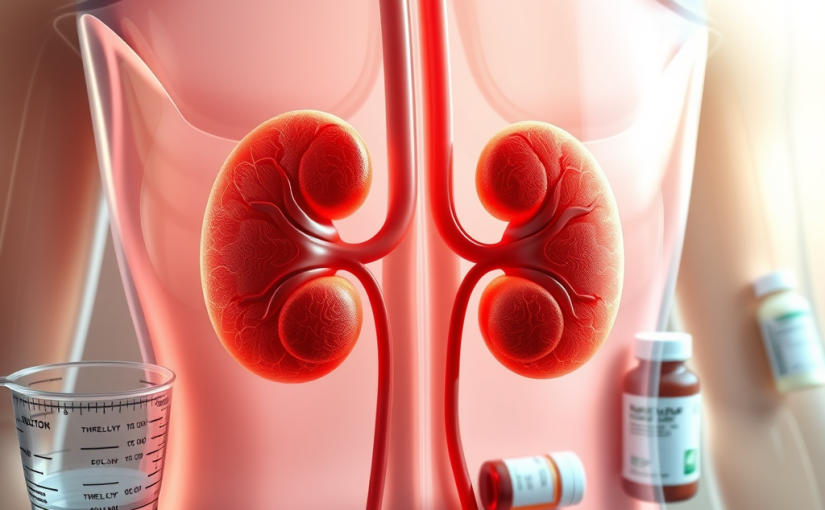

Chronic Kidney Disease: Understanding, Managing, and Living with Kidney Disease (A Complete Guide)

If you’re living with chronic kidney disease (CKD), you know it’s often called the “silent killer” because symptoms may not appear until significant damage has occurred. You might have discovered your diagnosis through routine blood work, feeling shocked that something so serious was happening without obvious warning signs. If you love someone with kidney disease, understanding that this condition affects every aspect of daily life – from what they can eat and drink to their energy levels and future planning – can help you provide meaningful support. Chronic kidney disease affects 37 million Americans, with millions more at risk, yet it remains one of the most misunderstood chronic conditions. Whether you’re newly diagnosed, managing advanced kidney disease, or supporting someone on this journey, this guide will provide the comprehensive information you need.

Living with chronic kidney disease means learning to think about your body in entirely new ways. Your kidneys, which you probably never thought about before, now require daily attention and careful management. It’s measuring fluid intake, reading every food label for hidden phosphorus, and taking handfuls of medications that protect your remaining kidney function. It’s the fatigue that feels different from just being tired, and the realization that your future may include dialysis or transplant – words that once seemed relevant only to other people.

Understanding Chronic Kidney Disease: The Silent Progression

What Are the Kidneys and What Do They Do?

Your kidneys are two bean-shaped organs, each about the size of a fist, located on either side of your spine below your ribcage. Most people are born with two kidneys, though you can live normally with one healthy kidney.

Essential kidney functions:

  • Filter waste and excess water from your blood to create urine
  • Balance electrolytes (sodium, potassium, phosphorus) in your body
  • Regulate blood pressure by controlling fluid balance and producing hormones
  • Produce red blood cells by making a hormone called erythropoietin (EPO)
  • Maintain bone health by activating vitamin D
  • Balance pH levels to keep your blood from becoming too acidic or basic

When kidneys don’t work properly, all of these functions are affected, which explains why kidney disease impacts so many aspects of health.

What Is Chronic Kidney Disease?

Chronic kidney disease (CKD) is the gradual loss of kidney function over months or years. Unlike acute kidney injury, which happens suddenly and may be reversible, CKD involves permanent damage that typically gets worse over time.

CKD is measured by estimated glomerular filtration rate (eGFR), which indicates how well your kidneys are filtering waste from your blood. Normal eGFR is 90 or higher.

The Five Stages of Chronic Kidney Disease

Stage 1 (eGFR 90+): Kidney damage with normal or high function

  • Often no symptoms
  • May have protein in urine or other signs of kidney damage
  • Focus on treating underlying causes and preventing progression

Stage 2 (eGFR 60-89): Kidney damage with mild decrease in function

  • Usually no symptoms
  • May have subtle changes in blood tests
  • Emphasis on slowing progression

Stage 3a (eGFR 45-59): Mild to moderate decrease in function Stage 3b (eGFR 30-44): Moderate to severe decrease in function

  • May start experiencing symptoms like fatigue
  • Complications like anemia and bone disease may begin
  • Preparation for potential need for kidney replacement therapy

Stage 4 (eGFR 15-29): Severe decrease in function

  • Symptoms become more noticeable
  • Preparation for dialysis or transplant becomes urgent
  • Specialist care is essential

Stage 5 (eGFR less than 15): Kidney failure

  • Kidneys function at less than 15% of normal
  • Dialysis or transplant needed to sustain life
  • Symptoms significantly impact quality of life

Common Causes of Chronic Kidney Disease

Diabetes: The leading cause of CKD, responsible for about 38% of cases

  • High blood sugar damages the small blood vessels in the kidneys
  • Can develop even with well-controlled diabetes
  • Both Type 1 and Type 2 diabetes can cause kidney disease

High blood pressure: The second leading cause, responsible for about 26% of cases

  • High pressure damages blood vessels throughout the kidneys
  • Can be both a cause and consequence of kidney disease
  • Often called “the silent killer” because it has no symptoms

Polycystic kidney disease: Inherited condition causing cysts to grow in kidneys

  • Most common genetic cause of kidney disease
  • Often runs in families
  • May not cause symptoms until middle age

Glomerulonephritis: Inflammation of the kidney’s filtering units

  • Can be caused by infections, autoimmune diseases, or other conditions
  • May develop suddenly or gradually over time

Other causes:

  • Autoimmune diseases like lupus
  • Certain medications taken long-term
  • Urinary tract problems present from birth
  • Kidney stones or repeated infections
  • Cancer treatments

The Reality: What Chronic Kidney Disease Actually Feels Like

The Physical Experience

Kidney disease symptoms often develop gradually and can be subtle:

Fatigue and weakness: This isn’t just being tired – it’s a bone-deep exhaustion that doesn’t improve with rest. As your kidneys fail to produce enough EPO, you become anemic, making you feel weak and short of breath during normal activities.

Swelling (edema): Fluid retention causes swelling in your feet, ankles, legs, or around your eyes. Your shoes might feel tight, rings might not fit, or you might notice your weight increasing rapidly over a few days.

Changes in urination: You might urinate more often, especially at night, or notice foam or bubbles in your urine (indicating protein). Some people urinate less frequently as kidney function declines.

Shortness of breath: This can happen from fluid buildup in your lungs or from anemia reducing your blood’s ability to carry oxygen.

Skin problems: Itching can be intense and persistent as waste products build up in your blood. Your skin might look pale from anemia or have a yellowish tint.

Taste changes: Food might taste metallic or lose its appeal entirely. You might develop persistent bad breath or a metallic taste in your mouth.

Nausea and vomiting: As toxins build up in your blood, you might feel nauseated, lose your appetite, or vomit.

Muscle cramps: Electrolyte imbalances can cause painful cramping, especially in your legs.

Sleep problems: You might have trouble falling asleep, staying asleep, or experience restless leg syndrome.

The Dietary Reality

Living with kidney disease means completely relearning how to eat:

Protein restrictions: While protein is essential, too much can burden damaged kidneys. You need to find the right balance – enough for health but not so much that it worsens kidney function.

Phosphorus limitations: Most foods contain phosphorus, but kidneys can’t remove excess when they’re damaged. High phosphorus levels can cause bone problems and calcium deposits in blood vessels.

Potassium restrictions: Damaged kidneys can’t remove excess potassium, which can cause dangerous heart rhythm problems. Many healthy foods like bananas, oranges, and potatoes become limited.

Sodium restrictions: Too much sodium causes fluid retention and raises blood pressure, both harmful to kidneys.

Fluid restrictions: In advanced kidney disease, you might need to limit all fluids – water, coffee, soup, ice cream – to prevent dangerous fluid overload.

The emotional impact of dietary restrictions: Food is social, cultural, and comforting. Having to avoid many favorite foods or eat smaller portions can feel isolating and depressing.

The Medication Complexity

Kidney disease often requires multiple medications:

  • Blood pressure medications to protect remaining kidney function
  • Phosphorus binders taken with meals to prevent mineral imbalances
  • Iron supplements or injections for anemia
  • Vitamin D supplements since kidneys can’t activate vitamin D properly
  • Medications to protect bones since kidney disease affects bone health
  • Adjustments to other medications since kidneys process many drugs

The daily reality: Taking 10-15 pills per day becomes normal. Some must be taken with food, others without. Timing becomes crucial, and forgetting doses can have serious consequences.

The Emotional Experience

Kidney disease creates unique psychological challenges:

Shock at diagnosis: Many people feel fine when diagnosed with early-stage kidney disease, making it hard to accept that something serious is wrong.

Grief for dietary freedom: Having to give up favorite foods or eat in restaurants with severe restrictions can feel like losing part of your identity.

Fear of the unknown: Dialysis and transplant can seem terrifying when you don’t understand what they involve.

Loss of control: Your body feels unreliable, and your future depends on how well treatments work.

Isolation: Others might not understand why you can’t eat certain foods or why you’re so tired.

Identity changes: Moving from “healthy” to “chronically ill” affects how you see yourself and your capabilities.

The Myths vs. Reality: What Chronic Kidney Disease Actually Is

Myth: “You can feel kidney disease developing”

Reality: Kidney disease is often called “silent” because symptoms typically don’t appear until 80-90% of kidney function is lost. Many people feel completely normal until they reach advanced stages.

Myth: “Kidney disease always leads to dialysis”

Reality: Many people with kidney disease never need dialysis. Early detection and proper management can slow or even stop progression. Some people maintain stable kidney function for decades.

Myth: “Drinking more water will cure kidney disease”

Reality: While staying hydrated is important, kidney disease involves permanent damage that can’t be reversed by drinking water. In advanced stages, too much fluid can actually be dangerous.

Myth: “Kidney disease only affects older people”

Reality: While more common with age, kidney disease can affect people of all ages, including children. Diabetes and high blood pressure, major causes of kidney disease, are increasing in younger populations.

Myth: “Dialysis means your life is over”

Reality: Many people on dialysis live full, active lives for years or decades. Dialysis is life-sustaining treatment that allows people to work, travel, and maintain relationships.

Myth: “You need a family member to donate a kidney”

Reality: While living donor transplants often come from family, many successful transplants come from deceased donors or non-related living donors. Some people receive kidneys from altruistic donors.

Myth: “Kidney disease is always caused by not taking care of yourself”

Reality: While lifestyle factors matter, kidney disease often results from genetics, autoimmune conditions, or complications of other diseases that aren’t within personal control.

Daily Life with Chronic Kidney Disease: What Management Really Looks Like

Early Stage Management (Stages 1-3)

The focus is on slowing progression and managing complications:

Blood pressure control: This is crucial for protecting remaining kidney function. Target blood pressure is usually lower than for people without kidney disease (typically less than 130/80).

Blood sugar management: If you have diabetes, tight glucose control can significantly slow kidney disease progression.

Lifestyle modifications:

  • Heart-healthy diet that’s also kidney-friendly
  • Regular exercise appropriate for your fitness level
  • Smoking cessation (smoking accelerates kidney disease)
  • Maintaining healthy weight
  • Limiting alcohol intake

Regular monitoring: Blood tests every 3-6 months to track kidney function, manage complications, and adjust medications.

Medication adjustments: Many medications need dose adjustments based on kidney function to prevent accumulation and toxicity.

Advanced Stage Management (Stages 4-5)

Preparation becomes crucial as kidney replacement therapy approaches:

Dietitian consultation: Working with renal dietitians becomes essential as dietary restrictions become more complex.

Anemia management: Regular monitoring and treatment with iron supplements, EPO injections, or blood transfusions when necessary.

Bone health: Calcium, phosphorus, and vitamin D management to prevent bone disease and dangerous calcium deposits.

Access planning: If dialysis becomes likely, creating vascular access (fistula or graft) months in advance allows time for healing.

Transplant evaluation: Beginning the evaluation process early, even before dialysis is needed, provides more options.

Education about treatment options: Learning about different types of dialysis and transplant to make informed decisions.

Managing Complications

Cardiovascular disease: Kidney disease dramatically increases heart disease risk, requiring aggressive management of blood pressure, cholesterol, and other risk factors.

Bone disease: Kidney disease affects how your body handles calcium, phosphorus, and vitamin D, leading to weak bones and dangerous calcium deposits in blood vessels.

Anemia: Treating low red blood cell counts with iron supplements, EPO injections, or blood transfusions when necessary.

Electrolyte imbalances: Monitoring and managing sodium, potassium, and phosphorus levels through diet and medications.

Fluid management: Balancing adequate hydration with preventing fluid overload, especially in later stages.

Treatment Options: From Conservative Management to Replacement Therapy

Conservative Management

For early to moderate kidney disease:

  • Medications to control blood pressure and protect kidneys
  • Diabetes management to prevent further damage
  • Dietary modifications to reduce kidney workload
  • Treatment of complications like anemia and bone disease
  • Lifestyle changes to support overall health

Conservative care for advanced kidney disease:

  • Some people choose to manage symptoms without dialysis or transplant
  • Focus on comfort, quality of life, and symptom management
  • Requires close coordination with healthcare team
  • May involve palliative care services

Dialysis

Hemodialysis:

  • Uses a machine to filter blood outside the body
  • Typically done 3 times per week for 3-4 hours per session
  • Requires vascular access (fistula, graft, or catheter)
  • Usually performed at dialysis centers, though home options exist

Peritoneal dialysis:

  • Uses the lining of your abdomen to filter blood inside your body
  • Done at home, usually while sleeping (automated) or throughout the day (manual)
  • Requires a catheter placed in your abdomen
  • Offers more flexibility and independence for many people

Choosing between dialysis types:

  • Depends on your lifestyle, medical conditions, and personal preferences
  • Both are effective life-sustaining treatments
  • Your healthcare team can help you understand the options

Kidney Transplant

Living donor transplant:

  • Kidney comes from a living person (family member, friend, or altruistic donor)
  • Often the best option with shorter wait times and better outcomes
  • Donor can live normally with one healthy kidney
  • Allows for planned surgery when recipient is in optimal health

Deceased donor transplant:

  • Kidney comes from someone who died and consented to organ donation
  • Wait times vary by blood type, antibody levels, and geographic location
  • Average wait time is 3-5 years but can be much longer
  • Requires being available for surgery on short notice

Transplant evaluation process:

  • Extensive medical, psychological, and social evaluation
  • Tests to ensure you’re healthy enough for surgery and ongoing immunosuppression
  • May take several months to complete
  • Results in being placed on transplant waiting list or recommendations for optimization

Preemptive Transplant

Getting a transplant before needing dialysis:

  • Best option when possible, with better long-term outcomes
  • Requires living donor or early placement on deceased donor list
  • Allows for planned surgery when you’re healthier
  • Avoids complications and lifestyle disruption of dialysis

For Family and Friends: How to Support Someone with Kidney Disease

Understanding the Hidden Nature of Kidney Disease

What family and friends need to know:

  • Kidney disease symptoms are often invisible, especially in early stages
  • Energy levels can vary dramatically from day to day
  • Dietary restrictions are medical necessities, not lifestyle choices
  • Treatment decisions are complex and deeply personal
  • The emotional impact is significant and ongoing

What TO Do

Support dietary changes:

  • Learn about kidney-friendly cooking and meal planning
  • Offer to help with grocery shopping or meal preparation
  • Choose kidney-friendly restaurants when eating out together
  • Don’t take it personally if they can’t eat foods you’ve prepared

Help with practical tasks:

  • Offer transportation to medical appointments and dialysis sessions
  • Assist with medication organization and reminders
  • Help with research about treatment options
  • Support them in advocating for their healthcare needs

Provide emotional support:

  • Listen without trying to fix everything
  • Allow them to express fear, frustration, or sadness about their condition
  • Continue to include them in social activities with appropriate accommodations
  • Be patient with their changing energy levels and limitations

Educate yourself:

  • Learn about kidney disease and treatment options
  • Understand the side effects of medications and treatments
  • Know the signs of complications that require immediate medical attention
  • Consider becoming a living kidney donor if you’re compatible and willing

What NOT to Do

Avoid these approaches:

  • Don’t police their diet or comment on what they eat
  • Don’t suggest unproven treatments or “miracle cures”
  • Don’t assume they can’t do things without asking them first
  • Don’t take their mood changes or need for rest personally
  • Don’t pressure them to choose specific treatments
  • Don’t compare them to other people with kidney disease

Supporting Different Treatment Choices

If they choose dialysis:

  • Understand that dialysis is life-sustaining, not optional
  • Respect their schedule and need for rest after treatments
  • Offer practical support like transportation or companionship
  • Learn about their specific type of dialysis and its requirements

If they’re considering transplant:

  • Support their decision to pursue evaluation
  • Consider living donation if you’re willing and compatible
  • Understand that transplant is major surgery with ongoing requirements
  • Help them prepare for the evaluation process and potential wait

If they choose conservative management:

  • Respect their decision to focus on quality of life over quantity
  • Support their symptom management and comfort measures
  • Help them access palliative care services if appropriate
  • Continue to provide emotional and practical support

Living with Dialysis: The Reality of Kidney Replacement Therapy

Hemodialysis Experience

What hemodialysis involves:

  • Arriving at the dialysis center 3 times per week
  • Getting weighed to determine fluid removal needs
  • Having two needles placed in your access site
  • Sitting connected to the machine for 3-4 hours
  • Monitoring for complications during treatment
  • Recovery time after each session

Physical effects of hemodialysis:

  • Fatigue and weakness, especially after treatments
  • Muscle cramps during or after dialysis
  • Low blood pressure causing dizziness
  • Headaches from fluid and electrolyte shifts
  • Access site soreness or complications

Lifestyle adjustments:

  • Planning activities around dialysis schedule
  • Dietary and fluid restrictions between treatments
  • Protecting your access site from injury
  • Dealing with fatigue and recovery time
  • Managing medications around dialysis sessions

Peritoneal Dialysis Experience

What peritoneal dialysis involves:

  • Learning to perform exchanges at home
  • Maintaining sterile technique to prevent infections
  • Managing supplies and equipment
  • Following precise schedules for fluid exchanges
  • Monitoring for complications like infections

Benefits of peritoneal dialysis:

  • More flexibility in scheduling
  • Ability to travel with proper planning
  • Gentler removal of toxins and fluid
  • Preservation of remaining kidney function
  • Greater independence and control

Challenges:

  • Risk of peritonitis (infection of the abdomen lining)
  • Body image changes from having a catheter
  • Storage space needed for supplies
  • Strict adherence to sterile technique
  • Gradual decline in effectiveness over time

Working and Traveling on Dialysis

Employment considerations:

  • Many people continue working while on dialysis
  • Scheduling dialysis around work commitments
  • Accommodations for fatigue and medical appointments
  • Understanding disability benefits if unable to work
  • Communicating with employers about treatment needs

Travel possibilities:

  • Arranging guest dialysis at destination facilities
  • Planning around treatment schedules
  • Coordinating insurance coverage for out-of-area treatment
  • Peritoneal dialysis offers more travel flexibility
  • Emergency planning for unexpected situations

Kidney Transplant: The Process and Reality

Pre-Transplant Evaluation

Medical evaluation:

  • Comprehensive physical examination and testing
  • Cardiac evaluation to ensure heart can handle surgery
  • Cancer screening to rule out active malignancies
  • Infection testing and vaccination updates
  • Psychological evaluation to assess readiness

Social evaluation:

  • Assessment of support system and ability to follow complex medical regimen
  • Financial evaluation for ongoing medication costs
  • Discussion of lifestyle factors that affect transplant success
  • Education about post-transplant requirements and expectations

Living Donation Process

For potential living donors:

  • Medical evaluation to ensure one kidney can be safely removed
  • Psychological evaluation to ensure donation is voluntary
  • Education about risks and benefits of donation
  • Legal protections to prevent coercion
  • Recovery time of several weeks to months

Benefits of living donation:

  • Shorter wait times for recipients
  • Better long-term outcomes
  • Planned surgery when recipient is healthiest
  • Kidney begins working immediately in most cases

Post-Transplant Life

Immediate post-transplant period:

  • Hospital stay of several days to weeks
  • High doses of immunosuppressive medications
  • Frequent medical appointments and lab work
  • Monitoring for rejection and complications
  • Gradual return to normal activities over months

Long-term post-transplant management:

  • Lifelong immunosuppressive medications
  • Regular monitoring for rejection, infections, and medication side effects
  • Increased risk of certain cancers and infections
  • Need for ongoing follow-up care
  • Lifestyle modifications to protect transplant function

Quality of life after transplant:

  • Most people feel significantly better than on dialysis
  • Return to work, travel, and normal activities
  • Ability to eat and drink more freely
  • Improved energy levels and overall health
  • Need to balance freedom with ongoing medical responsibilities

Frequently Asked Questions

Can kidney disease be reversed? While kidney damage is usually permanent, progression can often be slowed or stopped with proper treatment. Some acute kidney injuries can be reversed, but chronic kidney disease involves permanent changes.

How long can you live on dialysis? This varies greatly by age, overall health, and other medical conditions. Some people live more than 20 years on dialysis, while others may have shorter lifespans due to complications or other health issues.

What foods should I avoid with kidney disease? This depends on your stage of kidney disease and lab values. Common restrictions include foods high in potassium, phosphorus, and sodium. Working with a renal dietitian provides personalized guidance.

Can I exercise with kidney disease? Most people with kidney disease benefit from appropriate exercise. The type and intensity depend on your stage of disease and overall health. Check with your healthcare team before starting new exercise programs.

How do I know if I need to start dialysis? The decision involves multiple factors including kidney function, symptoms, nutrition status, and quality of life. It’s not based solely on lab values but on overall assessment by your healthcare team.

What happens if I don’t want dialysis or transplant? Conservative management focusing on symptom control and quality of life is a valid choice. This requires close coordination with healthcare providers and may involve palliative care services.

Resources for Kidney Disease Support

Professional Organizations

National Kidney Foundation: kidney.org – Comprehensive kidney disease information and local resources

American Kidney Fund: kidneyfund.org – Financial assistance and educational resources

National Institute of Diabetes and Digestive and Kidney Diseases: niddk.nih.gov – Government health information and research

DaVita Kidney Care: davita.com – Dialysis provider with extensive patient education resources

Support and Advocacy

Dialysis Patient Citizens: dialysispatients.org – Patient advocacy and policy work

American Association of Kidney Patients: aakp.org – Patient support and education

National Kidney Registry: kidneyregistry.org – Facilitates kidney exchanges for incompatible donors

RSN (Renal Support Network): rsnhope.org – Peer support and education programs

Financial and Practical Support

American Kidney Fund: Provides financial assistance for treatment-related expenses

Medicare: Covers dialysis and transplant for people with kidney failure

Pharmaceutical company patient assistance programs: Help with medication costs

Social services: Hospital social workers can connect you with local resources

Online Communities

Kidney disease support groups: Both condition-specific and general chronic illness communities

IHateDialysis.com: Online forum for people on dialysis

Transplant support groups: For people waiting for or living with transplants

DaVita Village: Online community for people with kidney disease

The Bottom Line

Chronic kidney disease is a serious but manageable condition that affects millions of people. While the diagnosis can be frightening and the lifestyle changes challenging, many people with kidney disease live full, meaningful lives for decades.

Key truths about kidney disease:

  • Early detection and treatment can significantly slow progression
  • Modern treatments including dialysis and transplant are highly effective
  • Lifestyle modifications can make a substantial difference in outcomes
  • Support is available from healthcare teams, family, friends, and other patients
  • You have choices about treatment options that fit your values and lifestyle
  • Technology and treatment options continue to improve

Remember:

  • Kidney disease progression isn’t always predictable – some people maintain stable function for years
  • Treatment decisions are personal and should reflect your values and goals
  • It’s normal to feel overwhelmed by dietary restrictions and medication regimens initially
  • Many people find meaning and community through their kidney disease experience
  • Your healthcare team is there to support you through all stages of the disease
  • Taking an active role in your care can improve both outcomes and quality of life

Whether you’re newly diagnosed with early-stage kidney disease, managing advanced kidney disease, or living with dialysis or a transplant, know that you have more control over your outcomes than you might realize. The choices you make about treatment, diet, exercise, and self-care can significantly impact your quality of life and disease progression.

Kidney disease may have changed your life, but it doesn’t have to define your future. With proper medical care, lifestyle modifications, and support from others, it’s possible to live well with kidney disease at any stage.


Living with kidney disease or supporting someone who is? Share your experiences and helpful strategies in the comments below. Your insights might help others navigating their kidney health journey.

Cancer: Understanding, Managing, and Living with Cancer as a Chronic Condition (A Complete Guide)

If you’re living with cancer – whether newly diagnosed, in treatment, or years into survivorship – you know it’s not just about fighting a disease. It’s about navigating an entirely new reality where your body, your future, and your identity have all changed. If you love someone with cancer, understanding that the journey doesn’t end when treatment stops can help you provide better support. Cancer affects over 18 million survivors in the United States alone, and for many, it becomes a chronic condition requiring ongoing management. Whether you’re facing active treatment, managing long-term effects, or supporting someone on this journey, this guide will provide the comprehensive understanding you need.

Living with cancer means your life is divided into “before” and “after” – before you heard those words, and after everything changed. It’s learning a new medical vocabulary, navigating complex treatment decisions, and discovering that your body can feel like a stranger. It’s the exhaustion that goes beyond tired, the fear that sits quietly in the background, and the realization that “beating cancer” doesn’t mean returning to your old life; it means building a new one.

Understanding Cancer: More Than a Single Disease

What Is Cancer?

Cancer is not one disease but rather a collection of over 200 related diseases characterized by the uncontrolled growth and spread of abnormal cells. When these cells grow out of control, they can form tumors, invade nearby tissues, and spread to other parts of the body through the blood and lymph systems.

Cancer is increasingly understood as a chronic condition because:

  • Many people live with cancer for years or decades
  • Treatment often continues long-term to prevent recurrence
  • Side effects and complications can persist long after treatment ends
  • Regular monitoring and follow-up care continue for life
  • The risk of recurrence or new cancers remains elevated

Types of Cancer and Their Impact

Blood cancers (hematologic malignancies):

  • Leukemia, lymphoma, multiple myeloma
  • Often treated with chemotherapy, targeted therapy, or stem cell transplant
  • May require ongoing treatment to maintain remission
  • Can significantly affect immune system function

Solid tumors:

  • Breast, lung, colorectal, prostate, and many others
  • Treatment often involves surgery, chemotherapy, radiation, or combinations
  • May be localized or have spread to other areas
  • Long-term monitoring for recurrence is standard

Rare cancers:

  • Often have limited treatment options and research
  • May require travel to specialized centers
  • Support communities may be smaller and harder to find
  • Treatment plans may be more experimental

Pediatric cancers:

  • Often biologically different from adult cancers
  • May have higher cure rates but also more long-term effects
  • Affect growth, development, and lifelong health
  • Impact entire families and require specialized care

Stages of the Cancer Journey

Diagnosis:

  • Shock, fear, and information overload
  • Learning a new medical vocabulary
  • Making treatment decisions under pressure
  • Assembling a healthcare team

Active treatment:

  • Managing side effects and complications
  • Balancing treatment with daily life
  • Dealing with uncertainty about outcomes
  • Coping with physical and emotional changes

Post-treatment/Survivorship:

  • Transitioning from active care to monitoring
  • Managing long-term and late effects
  • Fear of recurrence
  • Rebuilding identity and planning for the future

Living with metastatic cancer:

  • Ongoing treatment to control disease
  • Balancing quality of life with treatment intensity
  • Managing hope and realistic expectations
  • Planning for uncertain timelines

The Reality: What Cancer Actually Feels Like

The Physical Experience

Cancer and its treatments affect every system in your body:

During active treatment: Your body becomes a battlefield where the treatments designed to save you also make you feel terrible. Chemotherapy might make you so nauseated that the smell of food becomes revolting, or so fatigued that taking a shower feels like running a marathon. Radiation can burn your skin and make swallowing painful. Surgery leaves you with incisions, drains, and limitations you never anticipated.

Ongoing physical effects: Long after treatment ends, your body may not return to “normal.” Chemotherapy can cause neuropathy – tingling, numbness, or pain in your hands and feet that makes simple tasks difficult. You might experience “chemo brain” – cognitive changes that affect memory, concentration, and thinking. Some people develop heart problems, lung issues, or other organ damage from treatments.

Fatigue beyond tired: Cancer fatigue is unlike any tiredness you’ve experienced before. It’s bone-deep exhaustion that sleep doesn’t fix, rest doesn’t improve, and coffee can’t touch. You might feel tired down to your cellular level, like your body is running on a battery that never fully charges.

Pain that varies: Cancer pain can be from the disease itself, from treatments, or from procedures. It might be sharp, aching, burning, or cramping. Some days it’s manageable, other days it dominates everything. Pain medications help but often come with their own side effects and concerns.

Changes in appearance: Hair loss is what most people think of, but cancer treatments can cause weight loss or gain, skin changes, scars, limb differences, or other visible changes. Some changes are temporary, others permanent. All require emotional adjustment.

The Emotional Experience

Cancer fundamentally changes how you see yourself and your future:

The initial shock: Hearing “you have cancer” often feels surreal. Your mind might go blank, or race with questions. Many people describe feeling like they’re watching someone else’s life unfold.

Loss of control: Suddenly your schedule revolves around medical appointments. Strangers make decisions about your body. Your future feels uncertain in ways it never has before.

Identity crisis: You might struggle with whether you’re a “cancer patient,” a “survivor,” or still just yourself. Cancer can feel like it takes over your identity even when you don’t want it to.

Fear in many forms: Fear of death, of pain, of treatment side effects, of being a burden, of recurrence, of the unknown. These fears might ebb and flow but rarely disappear completely.

Grief for your old life: You might mourn the person you were before cancer, the plans you had, the innocence about your own mortality. This grief is real and valid.

Isolation: Even surrounded by people, cancer can feel lonely. Others might not understand your experience, might avoid you because they don’t know what to say, or might treat you differently.

The Social and Practical Experience

Cancer affects every relationship and practical aspect of life:

Work challenges: You might need extended time off, accommodations, or might not be able to work at all. Colleagues might not know how to act around you. Your career trajectory might change permanently.

Financial impact: Even with insurance, cancer is expensive. Medications, travel to treatment centers, time off work, and ongoing care costs add up quickly. Many people face financial hardship or bankruptcy.

Family dynamics: Cancer affects everyone in the family. Roles might shift, with healthy family members taking on new responsibilities. Children might be scared or confused. Relationships might be strained or strengthened.

Social situations: People might not know what to say, might avoid you, or might treat you like you’re fragile. You might not feel like yourself at social gatherings, or might not have energy for activities you used to enjoy.

Planning challenges: Cancer makes the future feel uncertain. You might struggle with making plans, whether for next week or next year. Long-term goals might need to be reassessed.

The Myths vs. Reality: What Cancer Actually Is

Myth: “Cancer is always a death sentence”

Reality: Survival rates for many cancers have improved dramatically. Millions of people live with cancer as a chronic condition for years or decades. Many are cured completely. While cancer is serious, it’s not always fatal.

Myth: “If you have a positive attitude, you can beat cancer”

Reality: While emotional well-being is important for quality of life, attitude doesn’t determine cancer outcomes. This myth places unfair pressure on patients and suggests that those who don’t survive didn’t try hard enough.

Myth: “When treatment ends, you’re back to normal”

Reality: Cancer survivorship is its own phase with unique challenges. Many people deal with long-term side effects, fear of recurrence, and emotional adjustment for years after treatment.

Myth: “Cancer patients are always brave warriors”

Reality: People with cancer experience the full range of human emotions – fear, anger, sadness, hope. There’s no requirement to be brave or positive all the time. Bad days are normal and don’t indicate weakness.

Myth: “Cancer is contagious”

Reality: Cancer itself is not contagious. While some viruses that can increase cancer risk are contagious (like HPV), you cannot catch cancer from being around someone who has it.

Myth: “All cancer treatments make you sick”

Reality: While many treatments have side effects, not everyone experiences severe symptoms. Side effect management has improved significantly, and some newer treatments are better tolerated.

Myth: “Cancer only affects older people”

Reality: While cancer risk increases with age, people of all ages, including children and young adults, can develop cancer. Some types are more common in younger people.

Cancer as a Chronic Condition: Long-term Management

Understanding Cancer Survivorship

Survivorship begins at diagnosis and includes everyone living with a cancer diagnosis, whether in treatment, remission, or managing advanced disease.

Phases of survivorship:

  • Acute survivorship: From diagnosis through completion of initial treatment
  • Extended survivorship: Post-treatment monitoring and managing effects
  • Permanent survivorship: Long-term survival with minimal cancer-related health issues

Long-term and Late Effects

Physical effects that may persist or develop years later:

Cardiovascular issues: Some chemotherapy drugs and radiation can damage the heart, leading to heart failure, coronary artery disease, or rhythm problems years later.

Secondary cancers: Some cancer treatments increase the risk of developing new, different cancers later in life.

Cognitive changes: “Chemo brain” or “cancer-related cognitive impairment” can affect memory, attention, and processing speed long-term.

Neuropathy: Nerve damage from chemotherapy can cause ongoing numbness, tingling, or pain in hands and feet.

Bone and joint problems: Some treatments can weaken bones, cause arthritis, or affect joint function.

Fertility and sexual health: Cancer treatments can affect reproductive health, hormone levels, and sexual function.

Lung problems: Radiation and some chemotherapy drugs can cause scarring or other lung issues.

Kidney and liver function: Some treatments can affect organ function over time.

Emotional and Psychological Long-term Effects

Fear of recurrence: This is one of the most common concerns for cancer survivors. Every ache, pain, or unusual symptom can trigger anxiety about cancer returning.

Post-traumatic stress: Cancer diagnosis and treatment can be traumatic. Some people develop PTSD-like symptoms including nightmares, flashbacks, or severe anxiety.

Depression and anxiety: Higher rates of mental health conditions persist long after treatment ends.

Identity and life perspective changes: Many people struggle with who they are after cancer and how to integrate this experience into their life story.

Relationship changes: Some relationships are damaged by the cancer experience, while others are strengthened. Dating and forming new relationships can be complicated by cancer history.

Daily Life During Treatment: Managing the Immediate Challenges

Treatment Side Effects Management

Nausea and vomiting:

  • Anti-nausea medications before, during, and after treatment
  • Dietary modifications (bland foods, small frequent meals)
  • Ginger, acupuncture, or other complementary approaches
  • Staying hydrated even when food doesn’t appeal

Fatigue management:

  • Balancing activity with rest (not bed rest, but appropriate energy conservation)
  • Light exercise as tolerated and approved by medical team
  • Prioritizing activities that are most important
  • Accepting help with daily tasks

Hair loss coping:

  • Exploring wig, scarf, or hat options before hair loss begins
  • Considering a “preview” haircut to make the transition easier
  • Remembering that hair loss is usually temporary
  • Connecting with others who understand the emotional impact

Immune system support:

  • Following neutropenic precautions when white blood cells are low
  • Avoiding crowds, sick people, and certain foods when immune compromised
  • Reporting fever or signs of infection immediately
  • Maintaining good hygiene without becoming obsessive

Nutrition During Cancer Treatment

Common challenges:

  • Taste changes that make favorite foods unpalatable
  • Mouth sores that make eating painful
  • Nausea that makes food unappealing
  • Constipation or diarrhea affecting dietary choices

Strategies that help:

  • Working with oncology dietitians for personalized recommendations
  • Focusing on calories and protein when appetite is poor
  • Eating small, frequent meals instead of large ones
  • Staying hydrated with water, broths, or other approved fluids
  • Using nutritional supplements when regular food isn’t sufficient

Work and Finances During Treatment

Employment considerations:

  • Understanding Family and Medical Leave Act (FMLA) protections
  • Communicating with employers about treatment schedules and limitations
  • Considering short-term or long-term disability options
  • Exploring work-from-home arrangements when possible

Financial management:

  • Understanding insurance coverage and out-of-pocket maximums
  • Exploring patient assistance programs for medications
  • Connecting with hospital financial counselors
  • Considering fundraising or grant opportunities
  • Planning for reduced income during treatment

Treatment Options: Understanding Your Choices

Surgery

Types of cancer surgery:

  • Diagnostic surgery: Biopsies to determine cancer type and stage
  • Staging surgery: Determining how far cancer has spread
  • Primary treatment: Removing tumors and surrounding tissue
  • Debulking surgery: Removing as much tumor as possible
  • Palliative surgery: Relieving symptoms or complications
  • Reconstructive surgery: Restoring function or appearance

Recovery considerations:

  • Healing times vary by procedure and individual factors
  • Physical therapy may be needed to regain function
  • Some surgeries result in permanent changes requiring adaptation
  • Emotional adjustment to body changes takes time

Chemotherapy

How chemotherapy works:

  • Uses drugs to kill cancer cells or stop them from growing
  • May be given orally, intravenously, or through other routes
  • Often given in cycles with rest periods between treatments
  • Different drugs target cancer cells in different ways

Types of chemotherapy:

  • Adjuvant: Given after surgery to eliminate remaining cancer cells
  • Neoadjuvant: Given before surgery to shrink tumors
  • Metastatic treatment: For cancer that has spread to other areas
  • Maintenance therapy: Ongoing treatment to prevent recurrence

Radiation Therapy

How radiation works:

  • High-energy beams damage cancer cell DNA
  • Given in precise doses to specific areas
  • Usually administered daily over several weeks
  • Technology allows for very targeted treatment

Types of radiation:

  • External beam radiation: Delivered from outside the body
  • Internal radiation (brachytherapy): Placed inside the body near cancer
  • Systemic radiation: Radioactive substances given orally or intravenously

Targeted Therapy and Immunotherapy

Targeted therapy:

  • Drugs that target specific cancer cell features
  • Often has fewer side effects than traditional chemotherapy
  • May be given as pills or infusions
  • Requires specific genetic markers in tumors

Immunotherapy:

  • Helps the immune system recognize and fight cancer
  • Includes checkpoint inhibitors, CAR-T therapy, and cancer vaccines
  • Can have unique side effects related to immune system activation
  • Not effective for all cancer types but revolutionary for some

Clinical Trials

Understanding research participation:

  • Testing new treatments or combinations of treatments
  • May provide access to promising therapies not yet approved
  • Include careful monitoring and safety protocols
  • Participation is voluntary and can be stopped at any time

Types of clinical trials:

  • Phase I: Testing safety and dosage of new treatments
  • Phase II: Testing effectiveness in specific cancer types
  • Phase III: Comparing new treatments to standard treatments
  • Phase IV: Studying long-term effects of approved treatments

Living with Metastatic Cancer: A Different Journey

Understanding Advanced Cancer

Metastatic cancer means cancer has spread from where it started to other parts of the body. While often not curable, many people live with metastatic cancer for months or years with good quality of life.

Goals of treatment shift to:

  • Controlling cancer growth and spread
  • Managing symptoms and maintaining quality of life
  • Extending life while preserving function and comfort
  • Balancing treatment benefits with side effects

Treatment Approaches for Advanced Cancer

Systemic treatments:

  • Chemotherapy, targeted therapy, or immunotherapy to control disease throughout the body
  • Often given continuously or in cycles
  • May be changed if cancer develops resistance

Local treatments:

  • Radiation for specific symptomatic areas
  • Surgery to relieve complications or symptoms
  • Procedures to manage fluid buildup or blockages

Palliative care:

  • Specialized medical care focused on relief of symptoms and stress
  • Can be provided alongside curative treatments
  • Includes pain management, symptom control, and emotional support
  • Not the same as hospice care

Making Treatment Decisions with Advanced Cancer

Factors to consider:

  • Potential benefits vs. side effects of treatments
  • Impact on quality of life and daily functioning
  • Personal values and goals
  • Family considerations and support systems
  • Financial implications of ongoing treatment

Communication with healthcare team:

  • Discussing prognosis and realistic expectations
  • Understanding all available options, including comfort care
  • Expressing preferences about aggressiveness of treatment
  • Planning for different scenarios and decision points

For Family and Friends: How to Support Someone with Cancer

Understanding the Impact on Families

Cancer affects everyone in the family:

  • Roles and responsibilities often shift
  • Financial stress affects household budgets
  • Children may be scared, confused, or act out
  • Relationships may be strained by stress and uncertainty
  • Caregivers often experience their own emotional challenges

What TO Do

Provide practical support:

  • Offer specific help rather than saying “let me know if you need anything”
  • Help with meals, transportation, childcare, or household tasks
  • Attend medical appointments when invited
  • Help organize medications, schedules, or insurance paperwork
  • Research resources and support services

Offer emotional support:

  • Listen without trying to fix everything
  • Allow them to express fear, anger, or sadness without judgment
  • Continue to include them in normal activities when they’re able
  • Remember important dates like treatment milestones or scan results
  • Be patient with their changing energy levels and limitations

Maintain the relationship:

  • Talk about things other than cancer sometimes
  • Continue to see them as a whole person, not just a cancer patient
  • Include them in future planning and normal conversations
  • Respect their decisions about treatment and how much to share
  • Be consistent in your support over the long term

What NOT to Do

Avoid these approaches:

  • Don’t say “everything happens for a reason” or “God only gives you what you can handle”
  • Don’t share stories about people who died from cancer
  • Don’t suggest alternative treatments unless specifically asked
  • Don’t compare their experience to others you know with cancer
  • Don’t assume they can’t do things without asking them first
  • Don’t take their mood changes or need for space personally

Avoid these communication mistakes:

  • Don’t avoid them because you don’t know what to say
  • Don’t pretend nothing has changed or that everything is normal
  • Don’t focus only on staying positive
  • Don’t ask for medical details unless they volunteer them
  • Don’t make their cancer about your feelings or fears

Supporting Children and Families

When cancer affects families with children:

  • Age-appropriate honesty is usually better than trying to hide the diagnosis
  • Children often imagine things are worse than they are if left uninformed
  • Maintaining routines helps children feel secure
  • Professional counseling may help children process their feelings
  • Extended family and friends can help maintain normalcy for children

Self-Care for Caregivers

Caregiving for someone with cancer is demanding:

  • Caregiver burnout is real and common
  • Seeking support for yourself isn’t selfish – it’s necessary
  • Respite care allows caregivers time to recharge
  • Support groups for caregivers provide understanding and practical tips
  • Professional counseling can help process the emotional challenges

Managing Fear of Recurrence

Understanding Recurrence Anxiety

Fear of recurrence is normal and common:

  • Affects most cancer survivors to some degree
  • Can be triggered by symptoms, medical appointments, or anniversaries
  • May actually increase over time rather than decrease
  • Can interfere with daily life and decision-making if severe

Coping Strategies

Practical approaches:

  • Learning the actual statistics for your specific cancer type and stage
  • Developing symptom awareness without becoming obsessive
  • Keeping follow-up appointments and recommended screenings
  • Maintaining healthy lifestyle habits that may reduce recurrence risk

Emotional management:

  • Mindfulness and meditation to manage anxiety
  • Cognitive behavioral therapy techniques for intrusive thoughts
  • Support groups with other survivors
  • Professional counseling when fear becomes overwhelming
  • Gradual exposure to normal activities and future planning

Building a New Normal

Survivorship involves creating a life that acknowledges cancer without being dominated by it:

  • Developing new priorities and perspectives
  • Finding meaning in the cancer experience
  • Balancing vigilance with living fully
  • Creating traditions and goals that acknowledge uncertainty
  • Building identity beyond cancer diagnosis

Frequently Asked Questions

How do I know if cancer has come back? Regular follow-up care with your oncology team is the best way to monitor for recurrence. Learn the signs and symptoms specific to your cancer type, but remember that most aches and pains are not cancer recurrence.

Will I ever feel normal again after cancer treatment? Many people do feel well again, but your “new normal” may be different from before cancer. Some effects are temporary, others may be permanent. Most people adapt and find ways to live fully despite ongoing changes.

Should I change my diet to prevent cancer recurrence? While no specific diet prevents recurrence, maintaining a healthy weight, eating plenty of fruits and vegetables, limiting processed foods, and staying hydrated support overall health during and after cancer treatment.

How long do I need follow-up care? This varies by cancer type, stage, and treatment. Some people need intensive monitoring for several years, while others require lifelong follow-up. Your oncology team will develop a survivorship plan specific to your situation.

Can I get pregnant after cancer treatment? Fertility can be affected by cancer treatments, but many people do have children after cancer. Discuss fertility preservation before treatment if possible, and talk with your healthcare team about pregnancy safety and timing.

How do I talk to my children about my cancer? Age-appropriate honesty is usually best. Children often cope better when they understand what’s happening than when left to imagine. Consider involving child psychologists or social workers for guidance.

Resources for Cancer Support

Major Cancer Organizations

American Cancer Society: cancer.org – Comprehensive information, support services, and local resources

National Cancer Institute: cancer.gov – Government research and treatment information

National Comprehensive Cancer Network: nccn.org – Evidence-based treatment guidelines

CancerCare: cancercare.org – Free professional support services including counseling and support groups

Specific Cancer Type Organizations

Susan G. Komen: komen.org – Breast cancer support and resources

Leukemia & Lymphoma Society: lls.org – Blood cancer information and support

Lung Cancer Alliance: lungcanceralliance.org – Lung cancer advocacy and support

Colorectal Cancer Alliance: ccalliance.org – Colorectal cancer resources

Practical Support Resources

Patient Navigator Programs: Many hospitals provide patient navigators to help coordinate care

Financial assistance programs: CancerCare, Patient Access Network, pharmaceutical company programs

Transportation assistance: American Cancer Society Road to Recovery, medical transport services

Lodging assistance: American Cancer Society Hope Lodge, Ronald McDonald House

Online Support Communities

Cancer Support Community: cancersupportcommunity.org – Online and in-person support groups

Stupid Cancer: stupidcancer.org – Support for young adults with cancer

CaringBridge: caringbridge.org – Platforms for sharing updates with family and friends

Smart Patients: smartpatients.com – Online community for cancer patients and caregivers

The Bottom Line

Cancer is a complex, challenging disease that affects every aspect of life – physical, emotional, social, and practical. While no one chooses cancer, you do have choices about how to approach treatment, manage side effects, and build your life during and after cancer.

Key truths about living with cancer:

  • Cancer experiences are highly individual – no two people have identical journeys
  • Modern treatments are more effective and better tolerated than ever before
  • Many people live full, meaningful lives during and after cancer treatment
  • It’s normal to have bad days, feel scared, or struggle with your diagnosis
  • Support is available from healthcare teams, family, friends, and other cancer survivors
  • Your feelings and concerns are valid, whatever they may be

Remember:

  • You are more than your cancer diagnosis
  • It’s okay to ask for help and accept support from others
  • Treatment advances continue to improve outcomes for people with cancer
  • Many people find new meaning, priorities, and strength through their cancer experience
  • Taking things one day at a time is not just acceptable, it’s often necessary
  • Your journey with cancer is unique, and there’s no “right” way to have cancer

Whether you’re newly diagnosed, in the middle of treatment, living with advanced cancer, or years into survivorship, know that your experience is valid and that support is available. Cancer may have changed your life, but it doesn’t have to define your entire future.

The cancer journey is difficult, but you don’t have to walk it alone. With proper medical care, support from loved ones, and connection with others who understand, it’s possible to live with meaning, hope, and even joy alongside cancer.


Living with cancer or supporting someone who is? Share your experiences and sources of strength in the comments below. Your story might provide exactly the hope or practical advice someone else needs to hear.

Heart Disease: Understanding, Managing, and Living with Cardiovascular Conditions (A Complete Guide)

If you live with heart disease, you know it’s not just about surviving a heart attack – it’s about the daily awareness that your heart needs careful attention, the anxiety that comes with every chest twinge, and the complex medication regimens that become part of your routine. If you love someone with heart disease, understanding that recovery is ongoing and that fear is a constant companion can help you provide meaningful support. Heart disease affects over 6.2 million Americans and is the leading cause of death globally, yet many people don’t understand what it means to live with this chronic condition day by day. Whether you’re newly diagnosed, managing heart disease long-term, or supporting someone on this journey, this guide will provide the comprehensive information you need.

Living with heart disease means every day starts with a mental check-in: How does my chest feel? Are these palpitations normal? Did I take my medications? It’s the constant awareness that your heart – the organ you never had to think about before – now requires daily attention and care. It’s learning to read your body’s signals in new ways and living with the knowledge that your heart has changed, even when you feel fine.

Understanding Heart Disease: More Than Just Heart Attacks

What Is Heart Disease?

Heart disease, also called cardiovascular disease, refers to a range of conditions that affect the heart and blood vessels. While many people think of heart disease as just heart attacks, it actually encompasses many different conditions that can affect how your heart functions over time.

Heart disease is often a chronic condition that requires ongoing management, not just a one-time event. Even after successful treatment of acute problems like heart attacks, most people continue to live with some form of cardiovascular condition that needs daily attention.

The Most Common Types of Heart Disease

Coronary Artery Disease (CAD):

  • Narrowing or blockage of the arteries that supply blood to the heart muscle
  • Most common type of heart disease
  • Can lead to chest pain (angina), heart attacks, and heart failure
  • Often managed with medications, lifestyle changes, and procedures

Heart Failure:

  • The heart can’t pump blood effectively to meet the body’s needs
  • Doesn’t mean the heart has stopped working completely
  • Can affect the left side, right side, or both sides of the heart
  • Symptoms include shortness of breath, fatigue, and fluid retention

Arrhythmias:

  • Irregular heartbeats – too fast, too slow, or irregular rhythm
  • Can range from harmless to life-threatening
  • May cause palpitations, dizziness, or fainting
  • Often managed with medications or devices like pacemakers

Heart Valve Disease:

  • Problems with one or more of the heart’s four valves
  • Valves may not open properly (stenosis) or close properly (regurgitation)
  • Can be present from birth or develop over time
  • May require monitoring or surgical repair/replacement

Cardiomyopathy:

  • Disease of the heart muscle itself
  • Can be dilated, hypertrophic, or restrictive
  • May be inherited or acquired
  • Can lead to heart failure or sudden cardiac death

Risk Factors and Causes

Non-modifiable risk factors:

  • Age (risk increases with age)
  • Gender (men at higher risk earlier; women’s risk increases after menopause)
  • Family history and genetics
  • Race and ethnicity (higher rates in some populations)

Modifiable risk factors:

  • High blood pressure
  • High cholesterol
  • Diabetes
  • Smoking
  • Obesity
  • Physical inactivity
  • Poor diet
  • Excessive alcohol use
  • Chronic stress

Understanding that heart disease often develops over many years helps explain why management becomes a lifelong process.

The Reality: What Heart Disease Actually Feels Like

The Physical Experience

Heart disease affects your body in ways that aren’t always obvious:

Chest sensations: Not all chest pain feels like the classic “elephant sitting on your chest.” It might be pressure, tightness, aching, burning, or sharp pains. Some people describe it as feeling like heartburn or muscle strain. The uncertainty about whether chest sensations are serious creates constant anxiety.

Shortness of breath: This can range from mild breathlessness during exertion to feeling winded after simple activities like walking up stairs or carrying groceries. Some people experience shortness of breath while lying flat or wake up gasping for air.

Fatigue: Heart disease fatigue is different from normal tiredness. It’s a deep exhaustion that doesn’t improve with rest. Simple activities that used to be easy become overwhelming. You might feel tired even after sleeping all night.

Palpitations: Feeling your heartbeat when you normally wouldn’t notice it. It might feel like your heart is racing, skipping beats, fluttering, or pounding. While often harmless, they can be frightening when you have heart disease.

Swelling: Fluid retention in legs, ankles, feet, or abdomen. Your shoes might feel tight, or you might notice your weight increasing rapidly over a few days.

Other symptoms: Dizziness, lightheadedness, nausea, cold sweats, or pain that radiates to the arms, neck, jaw, or back.

The Emotional Experience

Living with heart disease creates unique psychological challenges:

Health anxiety: Every chest twinge becomes a potential emergency. You might find yourself constantly monitoring your heart rate, blood pressure, or symptoms. The fear of another cardiac event can be overwhelming.

Hypervigilance: Becoming extremely aware of every sensation in your body. Normal variations in heart rate or minor aches become sources of worry.

Loss of confidence: Feeling like your body has betrayed you. The heart, which worked reliably for years without thought, now feels unreliable and fragile.

Identity changes: Shifting from seeing yourself as healthy to identifying as someone with a serious medical condition. This can affect how you view your capabilities and future.

Anticipatory anxiety: Worrying about future cardiac events, especially during physical activity, stress, or when symptoms occur.

The Social and Lifestyle Impact

Heart disease affects every aspect of daily life:

Activity limitations: You might need to modify exercise routines, avoid certain activities, or take more breaks during physical tasks. This can affect work, hobbies, and social activities.

Medication schedules: Taking multiple medications at specific times becomes part of your daily routine. Some medications have side effects that affect how you feel.

Dietary changes: Following heart-healthy diets often means giving up favorite foods or learning new ways of cooking and eating.

Sleep changes: Some people sleep with their head elevated to help with breathing, or wake up frequently to check symptoms.

Travel considerations: Planning around medication schedules, ensuring access to medical care, and managing anxiety about being away from familiar healthcare providers.

The Myths vs. Reality: What Heart Disease Actually Is

Myth: “Heart disease only affects older men”

Reality: Heart disease affects people of all ages and genders. Women’s symptoms are often different and may be overlooked. Young people can have heart disease, especially with certain conditions or risk factors.

Myth: “If you survive a heart attack, you’re cured”

Reality: Most people who have heart attacks continue to live with coronary artery disease that requires ongoing management. The underlying condition that caused the heart attack usually still needs treatment.

Myth: “Heart disease means you can’t exercise or be active”

Reality: Most people with heart disease benefit from appropriate exercise. Cardiac rehabilitation programs help people safely return to physical activity. The key is finding the right type and amount of exercise for your condition.

Myth: “Heart disease is just about diet and lifestyle”

Reality: While lifestyle factors are important, heart disease often involves genetics, age, and other factors beyond personal control. Some people develop heart disease despite healthy lifestyles.

Myth: “All chest pain in people with heart disease is a heart attack”

Reality: People with heart disease can have chest pain from many causes – muscle strain, anxiety, acid reflux, or stable angina that doesn’t indicate a heart attack. Learning to distinguish different types of chest discomfort is part of management.

Myth: “Heart medications are dangerous and should be avoided”

Reality: Modern heart medications are generally safe and have been proven to save lives and improve quality of life. The risks of untreated heart disease usually far outweigh medication risks.

Myth: “People with heart disease should avoid stress completely”

Reality: While managing stress is important, completely avoiding stress is impossible and can actually increase anxiety. Learning healthy stress management techniques is more beneficial than stress avoidance.

Heart Disease and Other Chronic Conditions

The Connection with Other Health Problems

Heart disease rarely exists in isolation:

Diabetes: Significantly increases heart disease risk and complicates management. Blood sugar control becomes crucial for heart health.

High blood pressure: Often called the “silent killer” because it has no symptoms but damages arteries over time. Managing blood pressure is critical for heart disease prevention and treatment.

High cholesterol: Contributes to plaque buildup in arteries. Often requires both medication and lifestyle changes to control.

Kidney disease: The heart and kidneys work closely together. Heart disease can affect kidney function, and kidney disease can worsen heart problems.

Sleep apnea: Common in people with heart disease and can worsen cardiovascular conditions. Treatment often improves both sleep and heart health.

Depression and anxiety: Very common in people with heart disease. The relationship is bidirectional – heart disease increases risk of depression, and depression can worsen heart disease outcomes.

Managing Multiple Conditions

The complexity of multiple chronic conditions:

  • Multiple medications that may interact with each other
  • Different specialists who may not always communicate
  • Competing dietary recommendations
  • Overlapping symptoms that make it hard to know what’s causing what
  • Insurance and healthcare coordination challenges

Daily Life with Heart Disease: What Management Really Looks Like

Morning Routines

Living with heart disease often changes how you start your day:

  • Taking medications at specific times, often before eating
  • Checking weight daily (sudden weight gain can indicate fluid retention)
  • Monitoring blood pressure or heart rate if recommended
  • Assessing how you’re feeling and planning the day accordingly
  • Taking medications that may affect energy levels or mood

Medication Management

Heart disease often requires multiple medications:

Common types of heart medications:

  • Blood thinners to prevent clots
  • Blood pressure medications to reduce strain on the heart
  • Cholesterol medications to prevent further artery damage
  • Heart rhythm medications to control irregular heartbeats
  • Diuretics to prevent fluid buildup

Daily medication reality:

  • Taking pills multiple times per day
  • Managing side effects like dizziness, fatigue, or digestive issues
  • Regular blood tests to monitor medication levels and effects
  • Coordinating with pharmacies for refills and insurance coverage
  • Carrying medications when traveling or away from home

Activity and Exercise

Finding the right balance:

  • Learning which activities are safe and beneficial
  • Recognizing warning signs that mean you should stop exercising
  • Participating in cardiac rehabilitation programs when appropriate
  • Modifying favorite activities to make them heart-safe
  • Dealing with frustration when you can’t do things you used to do

Exercise considerations:

  • Starting slowly and gradually increasing intensity
  • Monitoring heart rate during activity
  • Knowing when to rest and when to push a little
  • Having emergency plans during exercise
  • Finding activities you enjoy that are also heart-healthy

Dietary Changes

Heart-healthy eating often requires significant changes:

  • Reducing sodium to help control blood pressure and fluid retention
  • Limiting saturated and trans fats
  • Eating more fruits, vegetables, and whole grains
  • Managing portion sizes
  • Reading food labels carefully
  • Planning meals and snacks
  • Navigating social eating situations
  • Dealing with cravings for foods you’re supposed to limit

Sleep and Rest

Heart disease can affect sleep in various ways:

  • Some people need to sleep with their head elevated
  • Medications may affect sleep quality
  • Anxiety about heart symptoms can interfere with sleep
  • Sleep apnea treatment may be necessary
  • Balancing rest needs with staying active

Work and Career

Heart disease can impact professional life:

  • Taking time off for medical appointments and procedures
  • Managing fatigue during work hours
  • Requesting accommodations like flexible schedules or reduced physical demands
  • Dealing with stress at work when stress management is crucial for heart health
  • Navigating disability benefits if work capacity is significantly affected

Treatment Options: A Comprehensive Approach

Lifestyle Modifications

The foundation of heart disease management:

Dietary changes:

  • Following heart-healthy eating patterns like the Mediterranean diet
  • Working with registered dietitians for personalized meal planning
  • Learning to cook in new ways that reduce sodium and unhealthy fats
  • Managing weight if recommended by healthcare providers

Physical activity:

  • Participating in cardiac rehabilitation programs
  • Starting with supervised exercise and gradually increasing independence
  • Finding activities that are enjoyable and sustainable
  • Learning to monitor intensity and recognize warning signs

Stress management:

  • Learning relaxation techniques like deep breathing and meditation
  • Participating in counseling or therapy to address anxiety and depression
  • Building social support networks
  • Making lifestyle changes to reduce unnecessary stressors

Smoking cessation:

  • Using medications, counseling, or other proven methods to quit smoking
  • Avoiding secondhand smoke
  • Understanding that quitting smoking is one of the most important things you can do for heart health

Medications

Different classes of medications target different aspects of heart disease:

Antiplatelet agents (blood thinners):

  • Aspirin, clopidogrel (Plavix), or other medications to prevent blood clots
  • Regular monitoring to balance clot prevention with bleeding risk

ACE inhibitors and ARBs:

  • Help relax blood vessels and reduce blood pressure
  • Protect the heart muscle and kidneys
  • Common examples: lisinopril, metoprolol, losartan

Beta-blockers:

  • Slow heart rate and reduce blood pressure
  • Help the heart work more efficiently
  • May cause fatigue but significantly improve outcomes

Statins:

  • Lower cholesterol and stabilize plaque in arteries
  • Examples: atorvastatin (Lipitor), simvastatin (Zocor)
  • Regular blood tests to monitor liver function

Diuretics:

  • Help remove excess fluid from the body
  • Reduce swelling and shortness of breath
  • May require monitoring of kidney function and electrolytes

Procedures and Interventions

When medications and lifestyle changes aren’t enough:

Angioplasty and stenting:

  • Opening blocked arteries with a balloon and placing a small mesh tube (stent)
  • Usually done as an outpatient procedure
  • Requires blood thinners and follow-up care

Bypass surgery:

  • Creating new routes for blood to flow around blocked arteries
  • Major surgery requiring weeks of recovery
  • Very effective for certain types of blockages

Device implantation:

  • Pacemakers for slow heart rhythms
  • Defibrillators for dangerous fast rhythms
  • Heart failure devices to help the heart pump more effectively

Valve repair or replacement:

  • Fixing or replacing damaged heart valves
  • Can often be done with less invasive techniques now

Cardiac Rehabilitation

Structured programs to help recovery and long-term management:

  • Supervised exercise training
  • Education about heart disease and risk factors
  • Nutritional counseling
  • Stress management techniques
  • Support from others with heart disease
  • Monitoring by healthcare professionals during exercise

Emergency Situations: When to Seek Immediate Help

Recognizing Heart Attack Symptoms

Classic symptoms:

  • Chest pain or pressure that lasts more than a few minutes
  • Pain that spreads to arms, neck, jaw, or back
  • Shortness of breath
  • Cold sweats, nausea, or lightheadedness

Atypical symptoms (especially common in women):

  • Unusual fatigue
  • Nausea or vomiting
  • Back or jaw pain
  • Shortness of breath without chest pain
  • Feeling of impending doom

When in doubt, call 911: It’s better to be checked and find out it’s not a heart attack than to ignore symptoms and have a heart attack go untreated.

Other Emergency Situations

When to seek immediate medical attention:

  • Severe chest pain that doesn’t improve with rest or medications
  • Sudden, severe shortness of breath
  • Fainting or near-fainting episodes
  • Rapid weight gain (more than 3 pounds in a day or 5 pounds in a week)
  • Severe swelling in legs, ankles, or abdomen
  • Heart rate over 100 or under 60 (unless normal for you)

Emergency Preparedness

Being prepared for cardiac emergencies:

  • Keeping emergency contact information readily available
  • Having a list of current medications and medical conditions
  • Knowing the location of the nearest emergency room
  • Carrying emergency medications if prescribed
  • Wearing medical alert jewelry
  • Teaching family members about your condition and warning signs

For Family and Friends: How to Support Someone with Heart Disease

Understanding the Reality

What family and friends need to know:

  • Heart disease is often a chronic condition requiring ongoing management
  • Recovery from cardiac events can take months, not weeks
  • Anxiety about heart symptoms is normal and understandable
  • Lifestyle changes affect the whole family, not just the patient
  • Support and encouragement make a significant difference in outcomes

What TO Do

Provide emotional support:

  • Listen to their fears and concerns without minimizing them
  • Learn about their specific type of heart disease
  • Attend medical appointments when invited
  • Encourage them to follow their treatment plan
  • Be patient with their recovery process

Support lifestyle changes:

  • Make dietary changes as a family when possible
  • Find heart-healthy activities you can do together
  • Help create a low-stress environment at home
  • Support their exercise routine without being pushy
  • Help them remember medications and appointments

Be prepared for emergencies:

  • Learn the signs of heart attack and other cardiac emergencies
  • Know how to call for help and what information to provide
  • Keep emergency contact information easily accessible
  • Learn CPR if appropriate
  • Know the location of their medications and medical information

What NOT to Do

Avoid these approaches:

  • Don’t minimize their symptoms or tell them they’re overreacting
  • Don’t pressure them to “get back to normal” before they’re ready
  • Don’t make their heart disease about your fears and anxieties
  • Don’t police their diet or exercise in a controlling way
  • Don’t assume they can’t do things without asking them first
  • Don’t take their mood changes or limitations personally

Supporting Different Aspects of Recovery

For physical recovery:

  • Understand that fatigue is real and may last months
  • Help with household tasks without taking over completely
  • Encourage gradual return to activities
  • Support their participation in cardiac rehabilitation

For emotional adjustment:

  • Acknowledge that heart disease can be traumatic
  • Support counseling or therapy if they’re interested
  • Be patient with anxiety about symptoms
  • Help them maintain social connections and activities they enjoy

For lifestyle changes:

  • Make heart-healthy changes together when possible
  • Support their dietary restrictions without making them feel deprived
  • Find new activities and hobbies that are heart-safe
  • Help them manage stress and avoid unnecessary stressors

Living Well with Heart Disease: Long-Term Management

Building Your Healthcare Team

Key members of your heart disease management team:

  • Primary care physician for overall health management
  • Cardiologist for specialized heart care
  • Cardiac rehabilitation team for exercise and education
  • Pharmacist for medication management
  • Registered dietitian for nutrition guidance
  • Mental health counselor for emotional support
  • Other specialists as needed (endocrinologist for diabetes, etc.)

Developing Self-Management Skills

Learning to manage your condition effectively:

  • Understanding your specific type of heart disease
  • Learning to recognize your symptoms and when they’re concerning
  • Developing medication routines that work with your lifestyle
  • Creating exercise habits that are safe and enjoyable
  • Building stress management techniques into daily life
  • Monitoring important numbers like weight, blood pressure, and heart rate

Medication Adherence

Making medications part of your routine:

  • Using pill organizers or medication apps
  • Setting reminders on your phone
  • Understanding why each medication is important
  • Communicating with your healthcare team about side effects
  • Never stopping medications without medical supervision
  • Planning ahead for refills and insurance issues

Regular Monitoring and Follow-up

Staying on top of your heart health:

  • Keeping all scheduled appointments with healthcare providers
  • Getting recommended blood tests and imaging studies
  • Tracking important measurements at home when advised
  • Reporting new or worsening symptoms promptly
  • Participating in recommended screening for other conditions

Building a Support Network

Creating comprehensive support:

  • Family and friends who understand your condition
  • Healthcare providers you trust and communicate well with
  • Support groups for people with heart disease
  • Community resources for heart-healthy activities
  • Online communities for education and connection

Frequently Asked Questions

Will I ever feel normal again after a heart attack or heart surgery? Many people do return to feeling well, but it takes time – often months. Your “new normal” may be different from before, but most people can live full, active lives with proper treatment and lifestyle changes.

Can I exercise if I have heart disease? Most people with heart disease benefit from appropriate exercise. The key is working with your healthcare team to determine what’s safe for your specific condition and starting gradually.

Will I need to take heart medications for the rest of my life? This depends on your specific condition, but many people with heart disease do take medications long-term. These medications have been proven to prevent future cardiac events and improve quality of life.

How do I know if chest pain is serious? When in doubt, seek medical attention. Learn the characteristics of your typical chest discomfort versus new or different pain. Any severe, prolonged, or concerning chest pain should be evaluated promptly.

Can stress really affect my heart? Yes, chronic stress can worsen heart disease and acute stress can trigger cardiac events in susceptible people. Learning stress management techniques is an important part of heart disease treatment.

Is it safe to travel with heart disease? Most people with stable heart disease can travel safely with proper planning. Discuss travel plans with your healthcare provider, especially for long trips or international travel.

Resources for Heart Disease Support

Professional Organizations

American Heart Association: heart.org – Comprehensive heart disease information, local resources, and support groups

American College of Cardiology: cardiosmart.org – Patient education materials and tools for heart health

National Heart, Lung, and Blood Institute: nhlbi.nih.gov – Government health information and research updates

Support and Education

WomenHeart: womenheart.org – Support network for women with heart disease

Mended Hearts: mendedhearts.org – Peer support groups across the country

CardioSmart: Patient education platform with tools and resources

Local cardiac rehabilitation programs: Ask your cardiologist for referrals

Emergency Resources

Emergency services: Call 911 for any suspected cardiac emergency

American Red Cross: redcross.org – CPR and first aid training

Heart attack action plan: Work with your healthcare team to create a personalized emergency plan

Apps and Tools

Heart disease management apps: For tracking medications, symptoms, and vital signs

Nutrition apps: For following heart-healthy eating plans

Exercise apps: For cardiac rehabilitation and heart-safe fitness routines

The Bottom Line

Living with heart disease is challenging, but millions of people manage their condition successfully and live full, meaningful lives. Heart disease is often a chronic condition that requires ongoing attention, but it doesn’t have to define or limit your entire existence.

Key truths about heart disease:

  • It’s often manageable with proper treatment and lifestyle changes
  • Recovery and adjustment take time – be patient with yourself
  • You’re not alone – support is available from healthcare providers, family, friends, and other people with heart disease
  • Small changes in lifestyle can make big differences in outcomes
  • Modern treatments are very effective at preventing future cardiac events
  • Many people live for decades after heart attack or heart surgery

Remember:

  • Your symptoms and concerns are valid – always seek help when worried
  • Taking medications and following treatment plans can save your life
  • Lifestyle changes may feel overwhelming at first, but they become easier over time
  • It’s normal to feel anxious about your heart – this often improves with time and support
  • You can still pursue your goals and dreams with heart disease
  • Each day you take care of your heart is an investment in your future

Heart disease may have changed your life, but it doesn’t have to end your hopes and dreams. With proper treatment, support, and self-care, most people with heart disease can continue to work, travel, exercise, and enjoy time with loved ones.

Whether you’re newly diagnosed, recovering from a cardiac event, or managing heart disease long-term, remember that you have more control over your outcomes than you might think. The choices you make each day about medications, diet, exercise, and stress management can significantly impact your quality of life and long-term prognosis.

You’re stronger than you know, and with the right support and treatment, you can thrive with heart disease.


Living with heart disease or supporting someone who is? Share your experiences and helpful strategies in the comments below. Your insights might help others navigating their own heart health journey.

Asthma: What You Really Need to Know (And What Your Family Should Understand)

Living with asthma means carrying an inhaler everywhere you go, just in case. It’s the tightness in your chest that makes you wonder if this breath will be your last, and the wheeze that announces to everyone around you that you’re struggling. It’s planning your life around triggers; avoiding certain perfumes, checking air quality before going outside, and always having a backup plan when your lungs decide they don’t want to cooperate.
I’m pretty good at keeping it under control now, but I remember when I was young and my mother was trying to treat me at home without meds. I got so scared because I couldn’t breathe, and I had a panic attack too…it was terrifying.
Whether you’ve recently been diagnosed, have been managing asthma for years, or love someone navigating this respiratory condition, this guide will give you the complete picture of what asthma really means.

What Is Asthma? (More Than Just “Breathing Problems”)

Asthma is a chronic respiratory condition where your airways become inflamed, narrow, and produce extra mucus, making it difficult to breathe. Think of your airways like flexible tubes that carry air to your lungs. In asthma, these tubes become swollen and hypersensitive, reacting to triggers by tightening up and producing thick, sticky mucus that further blocks airflow.

During an asthma attack, three things happen simultaneously:

  • Bronchoconstriction: The muscles around your airways tighten and squeeze
  • Inflammation: The airway walls become swollen and inflamed
  • Mucus production: Your airways produce excess thick, sticky mucus

This combination creates the classic symptoms of wheezing, coughing, chest tightness, and shortness of breath. But asthma isn’t just about having trouble breathing during attacks – it’s a chronic condition that requires ongoing management even when you feel fine.

Key Facts:

  • Asthma affects more than 25 million Americans, including 5.1 million children
  • It’s the third-leading cause of hospitalization among children under 15
  • Asthma deaths are largely preventable with proper treatment and management
  • It can develop at any age, though it often starts in childhood
  • There’s no cure, but asthma can be effectively controlled with proper treatment

The Myths vs. Reality: What Asthma Actually Is

Myth: “Asthma isn’t serious – it’s just wheezing” Reality: Asthma can be life-threatening. It causes about 10 deaths per day in the United States, and most of these deaths are preventable with proper treatment.

Myth: “People with asthma should avoid exercise” Reality: With proper management, people with asthma can participate in all types of physical activities, including competitive sports. Exercise-induced asthma can be prevented with pre-treatment.

Myth: “Children will outgrow their asthma” Reality: While some children’s symptoms may improve as they get older, asthma is typically a lifelong condition. Many people whose asthma seemed to disappear in adolescence find it returns in adulthood.

Myth: “Asthma is caused by poor air quality or pollution” Reality: While air pollution can trigger asthma symptoms, it doesn’t cause asthma. Asthma is caused by a combination of genetic and environmental factors.

Myth: “Inhalers are addictive and should be avoided” Reality: Asthma medications, including inhalers, are not addictive. In fact, avoiding prescribed medications can lead to worsening symptoms and dangerous attacks.

Myth: “Natural remedies can cure asthma” Reality: While some complementary approaches may help with symptom management, there is no cure for asthma, and it requires medical treatment to prevent serious complications.

Myth: “If you can talk during an asthma attack, it’s not serious” Reality: Severe asthma attacks can be life-threatening even when the person can still speak. The ability to talk doesn’t indicate the severity of an attack.

What Asthma Symptoms Actually Feel Like

The textbook symptoms include wheezing, coughing, and shortness of breath. But here’s what those symptoms actually feel like in daily life:

During an Asthma Attack

The chest tightness: It feels like someone is sitting on your chest or squeezing you in a bear hug that gets tighter and tighter. You try to expand your lungs, but they won’t cooperate.

The struggle for air: Every breath becomes work. You might feel like you’re breathing through a straw that keeps getting smaller. You can get air in, but it’s hard to get it back out.

The panic that sets in: When you can’t breathe properly, fear takes over. Your heart starts racing, which makes you need even more oxygen that you can’t get. I remember being young and my mother trying to treat my asthma at home without medications. I got so scared because I couldn’t breathe that I had a panic attack on top of the asthma attack. It was absolutely terrifying – the feeling that you might not get your next breath is overwhelming, especially for a child.

The wheeze: That high-pitched whistling sound as air tries to squeeze through your narrowed airways. Sometimes you can hear it yourself, sometimes others notice it first.

The cough: A persistent, often dry cough that can be worse at night or early morning. It’s your body’s attempt to clear the airways, but it often makes breathing even harder.

Between Attacks

The constant awareness: Even when you’re breathing normally, you’re always conscious of your breathing in a way most people aren’t. You notice when the air quality changes, when someone is wearing strong perfume, when the seasons shift.

The preparedness: You always know where your inhaler is. You check it before leaving the house, make sure you have backups, and plan activities around potential triggers.

The exercise hesitation: You might hold back during physical activities, not because you can’t do them, but because you’re always aware that exertion could trigger symptoms.

The weather sensitivity: Changes in temperature, humidity, or air pressure can affect how your lungs feel. Cold air might make your chest tight, humid air might feel heavy and hard to breathe.

Types of Asthma: Understanding the Differences

Allergic Asthma

  • Triggered by allergens like pollen, dust mites, pet dander, or mold
  • Often accompanied by other allergic conditions like hay fever or eczema
  • Symptoms may be seasonal or year-round depending on triggers
  • Usually develops in childhood

Non-Allergic Asthma

  • Triggered by factors other than allergens (stress, weather, illness, exercise)
  • Often develops in adulthood
  • May be harder to identify specific triggers
  • Can be more persistent than allergic asthma

Exercise-Induced Asthma (Exercise-Induced Bronchoconstriction)

  • Symptoms occur during or after physical activity
  • More common in cold, dry environments
  • Can often be prevented with pre-treatment
  • Doesn’t mean you can’t exercise – just need proper management

Occupational Asthma

  • Caused by breathing in workplace irritants or allergens
  • Symptoms may improve away from work
  • Can develop even in people with no previous history of asthma
  • Requires identifying and avoiding workplace triggers

Severe Asthma

  • Difficult to control despite high-dose medications
  • May require specialized treatment approaches
  • Can significantly impact daily life and activities
  • Needs management by an asthma specialist

How Asthma Is Diagnosed

Asthma diagnosis involves several components since symptoms can mimic other respiratory conditions.

Medical History and Physical Exam

Symptom assessment: Your doctor will ask about:

  • When symptoms occur and what triggers them
  • How often you experience symptoms
  • Whether symptoms interfere with sleep or activities
  • Family history of asthma or allergies
  • Previous respiratory infections or illnesses

Physical examination: Checking for:

  • Wheezing or other abnormal lung sounds
  • Signs of allergic conditions (eczema, nasal polyps)
  • Overall respiratory function
  • Signs of complications

Lung Function Tests

Spirometry: The primary test for asthma diagnosis

  • Measures how much air you can exhale and how quickly
  • Often performed before and after using a bronchodilator
  • Shows if airways open up after medication (reversibility)

Peak flow monitoring: Using a simple device to measure how fast you can blow air out

  • Can be done at home to monitor daily lung function
  • Helps identify patterns and early warning signs of attacks
  • Useful for long-term asthma management

Methacholine challenge test: For cases where spirometry is normal but asthma is suspected

  • Involves inhaling a substance that can trigger mild airway narrowing
  • Only done in specialized clinics with emergency equipment available

Additional Tests

Allergy testing: To identify specific triggers

  • Skin prick tests or blood tests for common allergens
  • Helps determine if asthma is allergically triggered
  • Guides environmental control measures

Chest X-ray: To rule out other conditions

  • Usually normal in asthma
  • Helps exclude pneumonia or other lung problems

Exhaled nitric oxide test: Measures inflammation in airways

  • Higher levels suggest allergic asthma
  • Can help guide treatment decisions

Daily Life with Asthma: What Management Really Looks Like

Living with asthma means developing systems and habits that help you avoid triggers and manage symptoms effectively.

Morning and Evening Routines

Medication timing: Taking controller medications at consistent times, even when feeling fine. I’ve learned that skipping my daily controller inhaler, even for a few days, can lead to increased symptoms and sensitivity to triggers.

Peak flow monitoring: Some people benefit from checking their peak flow readings daily to track lung function trends and catch problems early.

Environment check: Being aware of air quality, pollen counts, weather changes, or other factors that might affect your breathing during the day.

Trigger Management

Indoor air quality:

  • Using air purifiers with HEPA filters
  • Keeping humidity levels between 30-50%
  • Regular cleaning to reduce dust mites and pet dander
  • Avoiding strong scents, cleaning products, and air fresheners

Outdoor considerations:

  • Checking air quality indexes before outdoor activities
  • Timing outdoor exercise for when pollen counts are lower
  • Having a plan for high pollution or poor air quality days

Social situations:

  • Politely asking people not to smoke or use strong perfumes around you
  • Choosing restaurants and venues with good ventilation
  • Having an action plan for when you encounter unexpected triggers

Exercise and Physical Activity

Pre-exercise preparation:

  • Using rescue inhaler 15-30 minutes before exercise if recommended
  • Warming up gradually to prepare airways
  • Choosing appropriate activities and environments

During exercise awareness:

  • Monitoring how you feel and stopping if symptoms develop
  • Breathing through your nose when possible to warm and humidify air
  • Having rescue medication easily accessible

Post-exercise recovery:

  • Cooling down gradually rather than stopping abruptly
  • Staying hydrated and monitoring for delayed symptoms

Work and School Considerations

Emergency preparedness:

  • Keeping rescue inhalers in multiple locations
  • Making sure colleagues or teachers know about your asthma
  • Having a written action plan readily available

Environmental modifications:

  • Requesting seating away from air vents or sources of irritants
  • Ensuring good ventilation in work areas
  • Having accommodations for outdoor work or activities

Treatment Options: A Comprehensive Approach

Asthma treatment focuses on two main goals: controlling daily symptoms and preventing attacks.

Controller Medications (Daily Prevention)

Inhaled Corticosteroids (ICS): The gold standard for asthma control

  • Examples: Fluticasone (Flovent), Budesonide (Pulmicort), Beclomethasone (Qvar)
  • Reduce airway inflammation and prevent symptoms
  • Must be taken daily, even when feeling well
  • Side effects are minimal when used as prescribed

Long-Acting Beta Agonists (LABA): Often combined with ICS

  • Examples: Salmeterol (Serevent), Formoterol (Foradil)
  • Keep airways open for 12+ hours
  • Should never be used alone without an ICS

Combination Inhalers: ICS + LABA in one device

  • Examples: Advair (fluticasone/salmeterol), Symbicort (budesonide/formoterol)
  • Convenient single inhaler for both inflammation control and bronchodilation
  • Ensures both medications are taken together

Leukotriene Modifiers: Oral medications

  • Examples: Montelukast (Singulair), Zafirlukast (Accolate)
  • Block inflammatory substances that cause asthma symptoms
  • Particularly helpful for allergic asthma and exercise-induced symptoms

Biologic Medications: For severe asthma

  • Examples: Omalizumab (Xolair), Mepolizumab (Nucala), Dupilumab (Dupixent)
  • Target specific immune system pathways
  • Given by injection, usually monthly or every few weeks
  • Reserved for severe asthma not controlled by other medications

Rescue Medications (Quick Relief)

Short-Acting Beta Agonists (SABA): First-line rescue treatment

  • Examples: Albuterol (ProAir, Ventolin, Proventil), Levalbuterol (Xopenex)
  • Quickly relax airway muscles to open breathing passages
  • Work within minutes and last 4-6 hours
  • Should be carried at all times

Anticholinergics: Alternative bronchodilators

  • Examples: Ipratropium (Atrovent)
  • May be used when SABAs aren’t effective
  • Often combined with albuterol in emergency situations

Proper Inhaler Technique

Many people don’t get full benefit from their medications due to poor inhaler technique:

Metered Dose Inhalers (MDI):

  1. Remove cap and shake inhaler
  2. Breathe out fully
  3. Place lips around mouthpiece creating seal
  4. Press down while breathing in slowly and deeply
  5. Hold breath for 10 seconds
  6. Wait 1 minute between puffs if using multiple doses

Dry Powder Inhalers (DPI):

  1. Load dose according to device instructions
  2. Breathe out fully (away from device)
  3. Place lips around mouthpiece
  4. Breathe in quickly and deeply
  5. Hold breath for 10 seconds
  6. Rinse mouth after using corticosteroids

Spacers and holding chambers: Improve medication delivery and reduce side effects

  • Essential for children and during acute attacks
  • Help ensure medication reaches the lungs rather than staying in the mouth

Emergency Management: When Asthma Becomes Life-Threatening

Recognizing a Severe Asthma Attack

Warning signs that require immediate emergency care:

  • Severe shortness of breath, wheezing, or coughing
  • Difficulty speaking in full sentences
  • Chest retractions (skin pulling in around ribs when breathing)
  • Blue or gray lips or fingernails
  • Peak flow reading in red zone (if you monitor)
  • Rescue inhaler not providing relief or needed more frequently than every 4 hours

Emergency Action Plan

Every person with asthma should have a written plan that includes:

  • Daily medications and dosages
  • Trigger identification and avoidance strategies
  • Early warning signs of worsening asthma
  • Step-by-step instructions for treating attacks
  • When to call the doctor or go to emergency room
  • Emergency contact information

During an Asthma Attack

Immediate steps:

  1. Stay calm (panic worsens breathing)
  2. Sit upright, don’t lie down
  3. Use rescue inhaler immediately
  4. Take slow, steady breaths
  5. If no improvement in 15-20 minutes, use rescue inhaler again
  6. Call 911 if severe symptoms or no improvement

What NOT to do:

  • Don’t ignore worsening symptoms hoping they’ll improve
  • Don’t be afraid to use your rescue inhaler
  • Don’t wait too long to seek emergency care
  • Don’t assume you can “tough it out”

Hospital Treatment

Emergency department care may include:

  • Nebulized bronchodilators (albuterol, ipratropium)
  • Oral or IV corticosteroids
  • Oxygen therapy
  • Chest X-rays to rule out complications
  • Peak flow or spirometry monitoring
  • Observation until symptoms improve

Asthma in Different Life Stages

Childhood Asthma

Special considerations:

  • Often develops before age 5
  • May be triggered by viral infections
  • Requires coordination between parents, schools, and healthcare providers
  • Growth monitoring important with inhaled corticosteroids
  • Teaching proper inhaler technique takes time and practice

School management:

  • Ensuring rescue inhalers are available at school
  • Training school staff to recognize and respond to attacks
  • Physical education modifications as needed
  • Field trip planning around potential triggers

Adult-Onset Asthma

Unique aspects:

  • Often non-allergic and more persistent
  • May be related to occupational exposures
  • Can be triggered by viral infections, stress, or hormonal changes
  • May require different treatment approaches than childhood asthma

Asthma in Pregnancy

Important considerations:

  • Asthma can improve, worsen, or stay the same during pregnancy
  • Most asthma medications are safe during pregnancy
  • Uncontrolled asthma poses greater risks than medications
  • Close monitoring with both obstetrician and asthma specialist needed

Asthma in Older Adults

Special challenges:

  • May be misdiagnosed as heart disease or COPD
  • Multiple medications can complicate treatment
  • Physical limitations may affect inhaler technique
  • Higher risk of complications from attacks

Potential Complications: Why Control Matters

Respiratory Complications

Status asthmaticus: Life-threatening asthma attack that doesn’t respond to usual treatment

  • Requires emergency medical care
  • May need mechanical ventilation
  • Can be fatal without prompt treatment

Pneumothorax: Collapsed lung from severe coughing or air trapping

  • Rare but serious complication
  • Causes sudden, severe chest pain and shortness of breath
  • Requires immediate medical attention

Respiratory infections: People with asthma may be more susceptible

  • Viral infections can trigger severe asthma attacks
  • Bacterial infections may require antibiotic treatment
  • Flu vaccination especially important for people with asthma

Long-term Effects

Airway remodeling: Permanent changes to airway structure

  • Results from chronic inflammation
  • Can occur even with mild asthma if poorly controlled
  • Emphasizes importance of consistent controller medication use

Reduced lung function: Progressive decline if asthma is not well-controlled

  • Can affect exercise capacity and quality of life
  • May become irreversible over time
  • Prevention through good control is key

Impact on Daily Life

Sleep disruption: Nighttime symptoms affect rest and daytime functioning

  • Can lead to fatigue, difficulty concentrating, and mood changes
  • Indicates poor asthma control and need for treatment adjustment

Activity limitations: Poorly controlled asthma can restrict physical activities

  • May affect work performance, exercise capacity, and social activities
  • Can lead to deconditioning and reduced quality of life

Psychological impact: Chronic illness can affect mental health

  • Anxiety about attacks is common and understandable
  • Depression may develop from activity limitations
  • Support and counseling can be helpful

For Family and Friends: How to Really Help

What TO Do:

Learn about asthma: Understanding that it’s a real medical condition, not something they can just “breathe through” or control by willpower alone.

Know their triggers: Help identify and avoid environmental triggers when possible. This might mean not wearing strong perfumes, choosing restaurants with good ventilation, or helping with cleaning to reduce allergens.

Understand their medications: Know the difference between daily controller medications and rescue inhalers. Support their need to take daily medications even when they feel fine.

Recognize emergency signs: Learn to identify when they need immediate medical help and don’t hesitate to call 911 if needed.

Be prepared to help: Know where their rescue inhaler is located and how to assist during an attack (staying calm, helping them sit upright, calling for help if needed).

Support their lifestyle adaptations: Understand why they might need to limit certain activities or leave situations where they encounter triggers.

Encourage proper medical care: Support regular check-ups with their doctor and encourage them not to skip medications or appointments.

What NOT to Do:

Don’t minimize their condition: Comments like “it’s just asthma” or “at least it’s not cancer” dismiss the very real impact asthma has on daily life.

Don’t suggest they’re being overdramatic: Asthma attacks are genuinely frightening, especially when you’ve experienced severe ones before.

Don’t pressure them to “push through” symptoms: This can be dangerous and lead to severe attacks.

Don’t smoke or use strong scents around them: Even if they don’t immediately react, these can contribute to ongoing inflammation.

Don’t discourage medication use: Comments about “being dependent on drugs” can be harmful when medications are medically necessary.

Don’t assume they can’t do things: Ask what they’re comfortable with rather than making decisions for them.

Supporting During an Attack

Stay calm: Your anxiety can increase their panic and worsen the attack.

Help them get comfortable: Assist them to sit upright (don’t lie down) in a quiet area with good ventilation.

Get their rescue inhaler: If they can’t reach it themselves, get it for them quickly.

Monitor the situation: Watch for signs that the attack is worsening or not improving with rescue medication.

Know when to call for help: Don’t hesitate to call 911 if they’re having severe difficulty breathing, can’t speak in full sentences, or their rescue inhaler isn’t helping.

Follow their action plan: If they have a written asthma action plan, help them follow the steps outlined for managing attacks.

Living Well with Asthma: Long-Term Strategies

Building Confidence in Management

Education is empowerment: The more you understand about your asthma, the better you can control it. Work with your healthcare team to learn about your specific triggers, medications, and warning signs.

Develop routines: Consistent medication schedules, regular monitoring, and environmental control measures become second nature over time.

Emergency preparedness: Having a clear action plan and multiple rescue inhalers available reduces anxiety about potential attacks.

Lifestyle Adaptations That Work

Exercise modifications: Most people with asthma can exercise regularly with proper preparation and medication use. Start slowly, warm up gradually, and have your rescue inhaler nearby.

Travel planning: Research your destination’s air quality, pack extra medications, and bring copies of prescriptions. Know how to access emergency care if needed.

Career considerations: Most careers are compatible with asthma, though some occupational exposures may need to be avoided. Discuss any workplace concerns with your doctor.

Building Support Networks

Healthcare team: Regular relationships with your primary care doctor, asthma specialist, and pharmacist ensure consistent, coordinated care.

Family and friends: Educating your support network about asthma helps them provide appropriate help and reduces misunderstandings.

Asthma community: Connecting with others who have asthma can provide practical tips, emotional support, and advocacy opportunities.

Technology and Tools

Apps for tracking: Smartphone apps can help monitor symptoms, track peak flow readings, and identify trigger patterns.

Air quality monitoring: Weather apps and websites provide daily air quality information to help plan outdoor activities.

Medication reminders: Automated reminders help ensure consistent use of controller medications.

Frequently Asked Questions

Can asthma be cured? Currently, there’s no cure for asthma, but it can be very effectively controlled with proper treatment. Many people with well-controlled asthma live completely normal, active lives.

Will my child outgrow their asthma? Some children’s symptoms may improve or seem to disappear during adolescence, but asthma is typically a lifelong condition. Even if symptoms improve, the underlying tendency toward asthma usually remains.

Is it safe to exercise with asthma? Yes! With proper management, people with asthma can participate in all types of sports and exercise. Many Olympic athletes have asthma. The key is working with your doctor to develop an appropriate pre-exercise treatment plan.

Can I use my rescue inhaler too much? If you’re needing your rescue inhaler more than twice a week (excluding exercise), it usually indicates that your asthma isn’t well-controlled and you need to see your doctor for treatment adjustment.

Do inhaled corticosteroids cause the same side effects as oral steroids? Inhaled corticosteroids are much safer than oral steroids because they deliver medication directly to the lungs with minimal absorption into the bloodstream. Side effects are generally limited to local effects like thrush or hoarse voice.

Can stress trigger asthma attacks? Yes, emotional stress can trigger asthma symptoms in some people. Learning stress management techniques and ensuring good overall asthma control can help minimize stress-related attacks.

Is asthma hereditary? There is a genetic component to asthma. Having parents or siblings with asthma increases your risk, but it doesn’t guarantee you’ll develop it. Environmental factors also play a significant role.

Resources and Support

Professional Organizations

  • Asthma and Allergy Foundation of America (AAFA): aafa.org – Comprehensive asthma education and advocacy
  • American Lung Association: lung.org – Resources for lung health and asthma management
  • National Heart, Lung, and Blood Institute: nhlbi.nih.gov – Evidence-based asthma guidelines and information

Educational Resources

  • Centers for Disease Control and Prevention (CDC): cdc.gov/asthma – National asthma statistics and prevention programs
  • Global Initiative for Asthma (GINA): ginasthma.org – International asthma management guidelines
  • Allergy & Asthma Network: allergyasthmanetwork.org – Patient advocacy and education

Emergency Resources

  • National Poison Control Center: 1-800-222-1222 (for medication questions)
  • Emergency Medical Services: 911 (for severe asthma attacks)
  • Asthma and Allergy Foundation Helpline: 1-800-7-ASTHMA

Apps and Tools

  • AsthmaMD: Tracks symptoms, medications, and triggers
  • Asthma Health by Mount Sinai: Research-based tracking and education
  • Air Quality Index apps: Monitor daily air quality in your area
  • Peak flow diary apps: Track lung function trends

Support Communities

  • Local asthma support groups: Check with hospitals and community health centers
  • Online communities: Facebook groups, Reddit communities for peer support
  • American Lung Association Better Breathers Clubs: Local support groups for people with lung conditions

Financial Assistance

  • Pharmaceutical company patient assistance programs: Help with medication costs
  • State pharmaceutical assistance programs: Vary by state
  • NeedyMeds.org: Database of assistance programs for medications and healthcare

The Bottom Line

Asthma is a serious chronic condition that requires ongoing medical management, but with proper treatment, most people with asthma can live full, active lives. The key is developing a good relationship with your healthcare team, learning to recognize your personal triggers and warning signs, and maintaining consistent use of controller medications even when you feel fine.

If you’ve been recently diagnosed with asthma, know that while it may feel overwhelming at first, millions of people successfully manage this condition every day. The treatments available today are more effective than ever, and with time, managing your asthma will become as routine as brushing your teeth.

If you’re supporting someone with asthma, your understanding and preparedness can make an enormous difference in their daily experience and confidence in managing their condition. Asthma attacks can be frightening for everyone involved, but with proper knowledge and preparation, they become much more manageable.

Looking back on my own experience, I’m grateful that my childhood episodes of struggling to breathe led to proper diagnosis and treatment. What once felt terrifying and out of control is now something I manage successfully every day. That progression from fear to confidence is possible for everyone with asthma when they have the right information, support, and medical care.

Remember: This information is educational and should not replace advice from your healthcare provider. Always consult with your doctor or asthma specialist for personalized asthma management plans.

Living with asthma or supporting someone who is? Share your experiences and helpful strategies in the comments below. Your insights might help others navigate this very manageable but serious respiratory condition.