
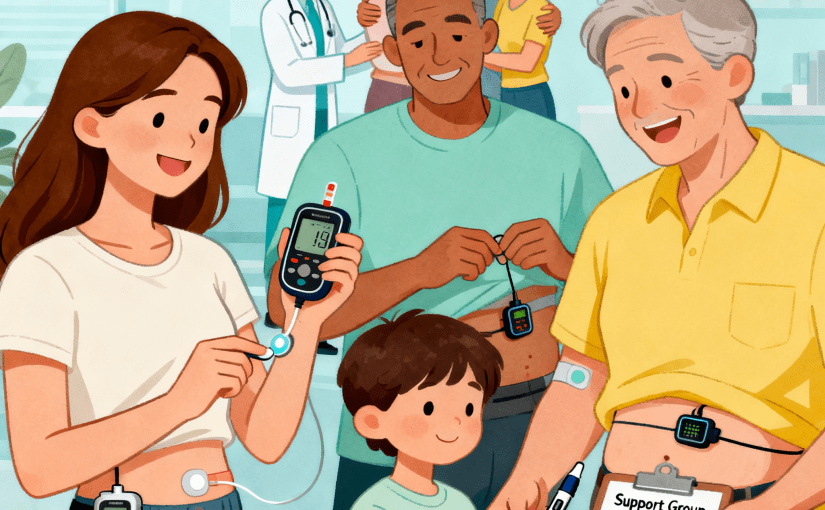
Living with Type 1 Diabetes: The Real, Unfiltered Story
Type 1 diabetes (T1D) is a chronic, lifelong autoimmune disease. The body’s immune system attacks and destroys the insulin-producing beta cells in the pancreas. Without insulin, glucose cannot enter the body’s cells to provide energy, causing dangerous blood sugar buildup. T1D requires daily insulin replacement and constant management. There is no cure or natural reversal. Whether you are newly diagnosed or have been managing T1D for years, this guide offers a clear and honest picture. It also provides a complete understanding of this complex condition.
What Is Type 1 Diabetes? (The Medical Definition)
Type 1 diabetes is an autoimmune condition leading to almost zero insulin production by the pancreas. Insulin is a vital hormone that allows glucose (or blood sugar) to enter cells and create energy. Without insulin, glucose builds up in the blood (hyperglycemia), causing serious health risks. People with T1D require insulin daily to survive and maintain their health. It can be diagnosed at any age, but often appears in childhood or early adulthood. T1D accounts for about 5-10% of all diabetes cases and affects nearly 2 million people in the U.S.
How Type 1 Diabetes Affects the Body
The immune system attack destroys beta cells, leading to an insulin deficiency. This disrupts the body’s energy supply chain. It leads to symptoms like extreme thirst, frequent urination, weight loss, and fatigue. These symptoms can progress to diabetic ketoacidosis, which is a life-threatening emergency. Long-term, poorly controlled blood sugar damages organs, including the eyes, kidneys, heart, nerves, and skin.
What Causes Type 1 Diabetes?
While the exact cause is unknown, T1D arises from a combination of hereditary and environmental triggers (potentially viral infections). It is not caused by diet or lifestyle. Research continues into disease-modifying therapies to delay onset and improve outcomes.
Living with Type 1 Diabetes Day to Day
Management is complex and requires:
• Multiple daily insulin injections or use of an insulin pump
• Constant blood sugar monitoring via fingersticks and/or continuous glucose monitors (CGMs)
• Meticulous carbohydrate counting and insulin dosing
• Adjustments for exercise, illness, stress, and hormones
• Attention to potential acute crises like hypoglycemia and diabetic ketoacidosis
• The mental and emotional toll is significant, with burnout and anxiety common.
Myths vs. Reality
• Myth: Eating sugar causes T1D — Reality: It’s autoimmune, not lifestyle-caused.
• Myth: Only children get T1D — Reality: Diagnosis can happen at any age.
• Myth: People with T1D can’t eat carbs — Reality: They match insulin to carb intake.
• Myth: Insulin is a cure — Reality: It’s an essential treatment, but it’s not a cure.
• Myth: Perfect control prevents all complications — Reality: T1D is unpredictable, even with ideal management.
Resources for Support and Information
• Breakthrough T1D (Formerly Known as Juvenile Diabetes Research Foundation)
• American Diabetes Association (ADA)
• Type 1 Diabetes Exchange
• Type 1 Diabetes groups on Reddit
• Support groups on Facebook, Instagram, X, and Threads
• Apps like Glooko (Android and iOS), Health2Sync (Android and iOS), Diabetes:M (Android and iOS) for tracking
Common Treatments and Emerging Therapies
• Rapid, short, intermediate, long, and ultra-long acting insulins
• Insulin pumps and CGMs, including integrated systems
• Injectable medications like Pramlintide
• Glucagon emergency kits
• Blood pressure and cholesterol management drugs
• Ongoing clinical trials for beta cell replacement, immunotherapies, and artificial pancreas tech
Type 1 diabetes is a serious condition requiring lifelong dedication. Yet people with T1D live full, meaningful lives with proper management, support, and technology. The learning curve is steep but manageable with education and community. If you or a loved one is navigating T1D, remember you’re not alone.
Stay informed and empowered with the latest breakthroughs and treatment updates for chronic illnesses. Sign up for our special research update emails that will be delivered monthly to keep you connected to cutting-edge science and practical tips without the overwhelm. Join our community and be the first to hear about new options that could make a difference in your health journey.
Subscribe now for your monthly dose of knowledge!
Sources
• Harvard Medical School (T1D Mellitus)
• Cleveland Clinic: Full medical overview of T1D (2025)
• National Institute of Diabetes and Digestive and Kidney Diseases (NIDDK), NIH
• Centers for Disease Control and Prevention (CDC)
• Mayo Clinic patient resources
• American Diabetes Association (ADA)
• World Health Organization (WHO) diabetes fact sheet
 Chronically Hustling
Leave a comment