
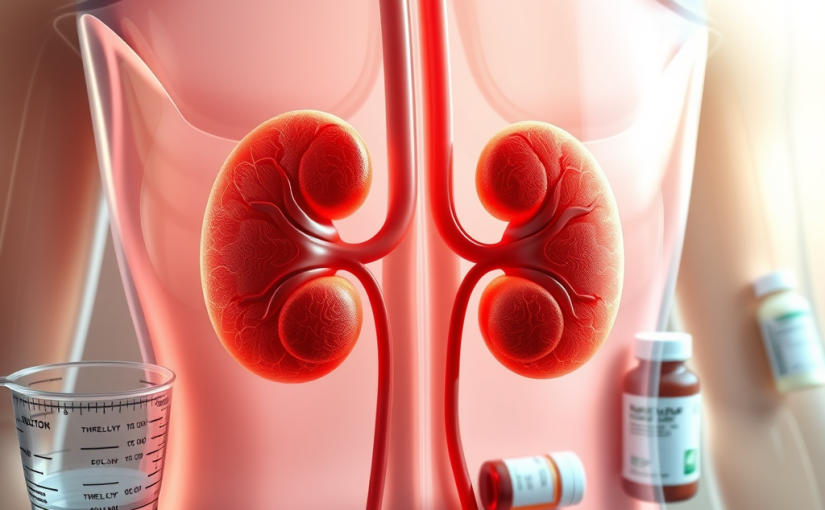
If you’re living with chronic kidney disease (CKD), you know it’s often called the “silent killer” because symptoms may not appear until significant damage has occurred. You might have discovered your diagnosis through routine blood work, feeling shocked that something so serious was happening without obvious warning signs. If you love someone with kidney disease, understanding that this condition affects every aspect of daily life – from what they can eat and drink to their energy levels and future planning – can help you provide meaningful support. Chronic kidney disease affects 37 million Americans, with millions more at risk, yet it remains one of the most misunderstood chronic conditions. Whether you’re newly diagnosed, managing advanced kidney disease, or supporting someone on this journey, this guide will provide the comprehensive information you need.
Living with chronic kidney disease means learning to think about your body in entirely new ways. Your kidneys, which you probably never thought about before, now require daily attention and careful management. It’s measuring fluid intake, reading every food label for hidden phosphorus, and taking handfuls of medications that protect your remaining kidney function. It’s the fatigue that feels different from just being tired, and the realization that your future may include dialysis or transplant – words that once seemed relevant only to other people.
Understanding Chronic Kidney Disease: The Silent Progression
What Are the Kidneys and What Do They Do?
Your kidneys are two bean-shaped organs, each about the size of a fist, located on either side of your spine below your ribcage. Most people are born with two kidneys, though you can live normally with one healthy kidney.
Essential kidney functions:
- Filter waste and excess water from your blood to create urine
- Balance electrolytes (sodium, potassium, phosphorus) in your body
- Regulate blood pressure by controlling fluid balance and producing hormones
- Produce red blood cells by making a hormone called erythropoietin (EPO)
- Maintain bone health by activating vitamin D
- Balance pH levels to keep your blood from becoming too acidic or basic
When kidneys don’t work properly, all of these functions are affected, which explains why kidney disease impacts so many aspects of health.
What Is Chronic Kidney Disease?
Chronic kidney disease (CKD) is the gradual loss of kidney function over months or years. Unlike acute kidney injury, which happens suddenly and may be reversible, CKD involves permanent damage that typically gets worse over time.
CKD is measured by estimated glomerular filtration rate (eGFR), which indicates how well your kidneys are filtering waste from your blood. Normal eGFR is 90 or higher.
The Five Stages of Chronic Kidney Disease
Stage 1 (eGFR 90+): Kidney damage with normal or high function
- Often no symptoms
- May have protein in urine or other signs of kidney damage
- Focus on treating underlying causes and preventing progression
Stage 2 (eGFR 60-89): Kidney damage with mild decrease in function
- Usually no symptoms
- May have subtle changes in blood tests
- Emphasis on slowing progression
Stage 3a (eGFR 45-59): Mild to moderate decrease in function Stage 3b (eGFR 30-44): Moderate to severe decrease in function
- May start experiencing symptoms like fatigue
- Complications like anemia and bone disease may begin
- Preparation for potential need for kidney replacement therapy
Stage 4 (eGFR 15-29): Severe decrease in function
- Symptoms become more noticeable
- Preparation for dialysis or transplant becomes urgent
- Specialist care is essential
Stage 5 (eGFR less than 15): Kidney failure
- Kidneys function at less than 15% of normal
- Dialysis or transplant needed to sustain life
- Symptoms significantly impact quality of life
Common Causes of Chronic Kidney Disease
Diabetes: The leading cause of CKD, responsible for about 38% of cases
- High blood sugar damages the small blood vessels in the kidneys
- Can develop even with well-controlled diabetes
- Both Type 1 and Type 2 diabetes can cause kidney disease
High blood pressure: The second leading cause, responsible for about 26% of cases
- High pressure damages blood vessels throughout the kidneys
- Can be both a cause and consequence of kidney disease
- Often called “the silent killer” because it has no symptoms
Polycystic kidney disease: Inherited condition causing cysts to grow in kidneys
- Most common genetic cause of kidney disease
- Often runs in families
- May not cause symptoms until middle age
Glomerulonephritis: Inflammation of the kidney’s filtering units
- Can be caused by infections, autoimmune diseases, or other conditions
- May develop suddenly or gradually over time
Other causes:
- Autoimmune diseases like lupus
- Certain medications taken long-term
- Urinary tract problems present from birth
- Kidney stones or repeated infections
- Cancer treatments
The Reality: What Chronic Kidney Disease Actually Feels Like
The Physical Experience
Kidney disease symptoms often develop gradually and can be subtle:
Fatigue and weakness: This isn’t just being tired – it’s a bone-deep exhaustion that doesn’t improve with rest. As your kidneys fail to produce enough EPO, you become anemic, making you feel weak and short of breath during normal activities.
Swelling (edema): Fluid retention causes swelling in your feet, ankles, legs, or around your eyes. Your shoes might feel tight, rings might not fit, or you might notice your weight increasing rapidly over a few days.
Changes in urination: You might urinate more often, especially at night, or notice foam or bubbles in your urine (indicating protein). Some people urinate less frequently as kidney function declines.
Shortness of breath: This can happen from fluid buildup in your lungs or from anemia reducing your blood’s ability to carry oxygen.
Skin problems: Itching can be intense and persistent as waste products build up in your blood. Your skin might look pale from anemia or have a yellowish tint.
Taste changes: Food might taste metallic or lose its appeal entirely. You might develop persistent bad breath or a metallic taste in your mouth.
Nausea and vomiting: As toxins build up in your blood, you might feel nauseated, lose your appetite, or vomit.
Muscle cramps: Electrolyte imbalances can cause painful cramping, especially in your legs.
Sleep problems: You might have trouble falling asleep, staying asleep, or experience restless leg syndrome.
The Dietary Reality
Living with kidney disease means completely relearning how to eat:
Protein restrictions: While protein is essential, too much can burden damaged kidneys. You need to find the right balance – enough for health but not so much that it worsens kidney function.
Phosphorus limitations: Most foods contain phosphorus, but kidneys can’t remove excess when they’re damaged. High phosphorus levels can cause bone problems and calcium deposits in blood vessels.
Potassium restrictions: Damaged kidneys can’t remove excess potassium, which can cause dangerous heart rhythm problems. Many healthy foods like bananas, oranges, and potatoes become limited.
Sodium restrictions: Too much sodium causes fluid retention and raises blood pressure, both harmful to kidneys.
Fluid restrictions: In advanced kidney disease, you might need to limit all fluids – water, coffee, soup, ice cream – to prevent dangerous fluid overload.
The emotional impact of dietary restrictions: Food is social, cultural, and comforting. Having to avoid many favorite foods or eat smaller portions can feel isolating and depressing.
The Medication Complexity
Kidney disease often requires multiple medications:
- Blood pressure medications to protect remaining kidney function
- Phosphorus binders taken with meals to prevent mineral imbalances
- Iron supplements or injections for anemia
- Vitamin D supplements since kidneys can’t activate vitamin D properly
- Medications to protect bones since kidney disease affects bone health
- Adjustments to other medications since kidneys process many drugs
The daily reality: Taking 10-15 pills per day becomes normal. Some must be taken with food, others without. Timing becomes crucial, and forgetting doses can have serious consequences.
The Emotional Experience
Kidney disease creates unique psychological challenges:
Shock at diagnosis: Many people feel fine when diagnosed with early-stage kidney disease, making it hard to accept that something serious is wrong.
Grief for dietary freedom: Having to give up favorite foods or eat in restaurants with severe restrictions can feel like losing part of your identity.
Fear of the unknown: Dialysis and transplant can seem terrifying when you don’t understand what they involve.
Loss of control: Your body feels unreliable, and your future depends on how well treatments work.
Isolation: Others might not understand why you can’t eat certain foods or why you’re so tired.
Identity changes: Moving from “healthy” to “chronically ill” affects how you see yourself and your capabilities.
The Myths vs. Reality: What Chronic Kidney Disease Actually Is
Myth: “You can feel kidney disease developing”
Reality: Kidney disease is often called “silent” because symptoms typically don’t appear until 80-90% of kidney function is lost. Many people feel completely normal until they reach advanced stages.
Myth: “Kidney disease always leads to dialysis”
Reality: Many people with kidney disease never need dialysis. Early detection and proper management can slow or even stop progression. Some people maintain stable kidney function for decades.
Myth: “Drinking more water will cure kidney disease”
Reality: While staying hydrated is important, kidney disease involves permanent damage that can’t be reversed by drinking water. In advanced stages, too much fluid can actually be dangerous.
Myth: “Kidney disease only affects older people”
Reality: While more common with age, kidney disease can affect people of all ages, including children. Diabetes and high blood pressure, major causes of kidney disease, are increasing in younger populations.
Myth: “Dialysis means your life is over”
Reality: Many people on dialysis live full, active lives for years or decades. Dialysis is life-sustaining treatment that allows people to work, travel, and maintain relationships.
Myth: “You need a family member to donate a kidney”
Reality: While living donor transplants often come from family, many successful transplants come from deceased donors or non-related living donors. Some people receive kidneys from altruistic donors.
Myth: “Kidney disease is always caused by not taking care of yourself”
Reality: While lifestyle factors matter, kidney disease often results from genetics, autoimmune conditions, or complications of other diseases that aren’t within personal control.
Daily Life with Chronic Kidney Disease: What Management Really Looks Like
Early Stage Management (Stages 1-3)
The focus is on slowing progression and managing complications:
Blood pressure control: This is crucial for protecting remaining kidney function. Target blood pressure is usually lower than for people without kidney disease (typically less than 130/80).
Blood sugar management: If you have diabetes, tight glucose control can significantly slow kidney disease progression.
Lifestyle modifications:
- Heart-healthy diet that’s also kidney-friendly
- Regular exercise appropriate for your fitness level
- Smoking cessation (smoking accelerates kidney disease)
- Maintaining healthy weight
- Limiting alcohol intake
Regular monitoring: Blood tests every 3-6 months to track kidney function, manage complications, and adjust medications.
Medication adjustments: Many medications need dose adjustments based on kidney function to prevent accumulation and toxicity.
Advanced Stage Management (Stages 4-5)
Preparation becomes crucial as kidney replacement therapy approaches:
Dietitian consultation: Working with renal dietitians becomes essential as dietary restrictions become more complex.
Anemia management: Regular monitoring and treatment with iron supplements, EPO injections, or blood transfusions when necessary.
Bone health: Calcium, phosphorus, and vitamin D management to prevent bone disease and dangerous calcium deposits.
Access planning: If dialysis becomes likely, creating vascular access (fistula or graft) months in advance allows time for healing.
Transplant evaluation: Beginning the evaluation process early, even before dialysis is needed, provides more options.
Education about treatment options: Learning about different types of dialysis and transplant to make informed decisions.
Managing Complications
Cardiovascular disease: Kidney disease dramatically increases heart disease risk, requiring aggressive management of blood pressure, cholesterol, and other risk factors.
Bone disease: Kidney disease affects how your body handles calcium, phosphorus, and vitamin D, leading to weak bones and dangerous calcium deposits in blood vessels.
Anemia: Treating low red blood cell counts with iron supplements, EPO injections, or blood transfusions when necessary.
Electrolyte imbalances: Monitoring and managing sodium, potassium, and phosphorus levels through diet and medications.
Fluid management: Balancing adequate hydration with preventing fluid overload, especially in later stages.
Treatment Options: From Conservative Management to Replacement Therapy
Conservative Management
For early to moderate kidney disease:
- Medications to control blood pressure and protect kidneys
- Diabetes management to prevent further damage
- Dietary modifications to reduce kidney workload
- Treatment of complications like anemia and bone disease
- Lifestyle changes to support overall health
Conservative care for advanced kidney disease:
- Some people choose to manage symptoms without dialysis or transplant
- Focus on comfort, quality of life, and symptom management
- Requires close coordination with healthcare team
- May involve palliative care services
Dialysis
Hemodialysis:
- Uses a machine to filter blood outside the body
- Typically done 3 times per week for 3-4 hours per session
- Requires vascular access (fistula, graft, or catheter)
- Usually performed at dialysis centers, though home options exist
Peritoneal dialysis:
- Uses the lining of your abdomen to filter blood inside your body
- Done at home, usually while sleeping (automated) or throughout the day (manual)
- Requires a catheter placed in your abdomen
- Offers more flexibility and independence for many people
Choosing between dialysis types:
- Depends on your lifestyle, medical conditions, and personal preferences
- Both are effective life-sustaining treatments
- Your healthcare team can help you understand the options
Kidney Transplant
Living donor transplant:
- Kidney comes from a living person (family member, friend, or altruistic donor)
- Often the best option with shorter wait times and better outcomes
- Donor can live normally with one healthy kidney
- Allows for planned surgery when recipient is in optimal health
Deceased donor transplant:
- Kidney comes from someone who died and consented to organ donation
- Wait times vary by blood type, antibody levels, and geographic location
- Average wait time is 3-5 years but can be much longer
- Requires being available for surgery on short notice
Transplant evaluation process:
- Extensive medical, psychological, and social evaluation
- Tests to ensure you’re healthy enough for surgery and ongoing immunosuppression
- May take several months to complete
- Results in being placed on transplant waiting list or recommendations for optimization
Preemptive Transplant
Getting a transplant before needing dialysis:
- Best option when possible, with better long-term outcomes
- Requires living donor or early placement on deceased donor list
- Allows for planned surgery when you’re healthier
- Avoids complications and lifestyle disruption of dialysis
For Family and Friends: How to Support Someone with Kidney Disease
Understanding the Hidden Nature of Kidney Disease
What family and friends need to know:
- Kidney disease symptoms are often invisible, especially in early stages
- Energy levels can vary dramatically from day to day
- Dietary restrictions are medical necessities, not lifestyle choices
- Treatment decisions are complex and deeply personal
- The emotional impact is significant and ongoing
What TO Do
Support dietary changes:
- Learn about kidney-friendly cooking and meal planning
- Offer to help with grocery shopping or meal preparation
- Choose kidney-friendly restaurants when eating out together
- Don’t take it personally if they can’t eat foods you’ve prepared
Help with practical tasks:
- Offer transportation to medical appointments and dialysis sessions
- Assist with medication organization and reminders
- Help with research about treatment options
- Support them in advocating for their healthcare needs
Provide emotional support:
- Listen without trying to fix everything
- Allow them to express fear, frustration, or sadness about their condition
- Continue to include them in social activities with appropriate accommodations
- Be patient with their changing energy levels and limitations
Educate yourself:
- Learn about kidney disease and treatment options
- Understand the side effects of medications and treatments
- Know the signs of complications that require immediate medical attention
- Consider becoming a living kidney donor if you’re compatible and willing
What NOT to Do
Avoid these approaches:
- Don’t police their diet or comment on what they eat
- Don’t suggest unproven treatments or “miracle cures”
- Don’t assume they can’t do things without asking them first
- Don’t take their mood changes or need for rest personally
- Don’t pressure them to choose specific treatments
- Don’t compare them to other people with kidney disease
Supporting Different Treatment Choices
If they choose dialysis:
- Understand that dialysis is life-sustaining, not optional
- Respect their schedule and need for rest after treatments
- Offer practical support like transportation or companionship
- Learn about their specific type of dialysis and its requirements
If they’re considering transplant:
- Support their decision to pursue evaluation
- Consider living donation if you’re willing and compatible
- Understand that transplant is major surgery with ongoing requirements
- Help them prepare for the evaluation process and potential wait
If they choose conservative management:
- Respect their decision to focus on quality of life over quantity
- Support their symptom management and comfort measures
- Help them access palliative care services if appropriate
- Continue to provide emotional and practical support
Living with Dialysis: The Reality of Kidney Replacement Therapy
Hemodialysis Experience
What hemodialysis involves:
- Arriving at the dialysis center 3 times per week
- Getting weighed to determine fluid removal needs
- Having two needles placed in your access site
- Sitting connected to the machine for 3-4 hours
- Monitoring for complications during treatment
- Recovery time after each session
Physical effects of hemodialysis:
- Fatigue and weakness, especially after treatments
- Muscle cramps during or after dialysis
- Low blood pressure causing dizziness
- Headaches from fluid and electrolyte shifts
- Access site soreness or complications
Lifestyle adjustments:
- Planning activities around dialysis schedule
- Dietary and fluid restrictions between treatments
- Protecting your access site from injury
- Dealing with fatigue and recovery time
- Managing medications around dialysis sessions
Peritoneal Dialysis Experience
What peritoneal dialysis involves:
- Learning to perform exchanges at home
- Maintaining sterile technique to prevent infections
- Managing supplies and equipment
- Following precise schedules for fluid exchanges
- Monitoring for complications like infections
Benefits of peritoneal dialysis:
- More flexibility in scheduling
- Ability to travel with proper planning
- Gentler removal of toxins and fluid
- Preservation of remaining kidney function
- Greater independence and control
Challenges:
- Risk of peritonitis (infection of the abdomen lining)
- Body image changes from having a catheter
- Storage space needed for supplies
- Strict adherence to sterile technique
- Gradual decline in effectiveness over time
Working and Traveling on Dialysis
Employment considerations:
- Many people continue working while on dialysis
- Scheduling dialysis around work commitments
- Accommodations for fatigue and medical appointments
- Understanding disability benefits if unable to work
- Communicating with employers about treatment needs
Travel possibilities:
- Arranging guest dialysis at destination facilities
- Planning around treatment schedules
- Coordinating insurance coverage for out-of-area treatment
- Peritoneal dialysis offers more travel flexibility
- Emergency planning for unexpected situations
Kidney Transplant: The Process and Reality
Pre-Transplant Evaluation
Medical evaluation:
- Comprehensive physical examination and testing
- Cardiac evaluation to ensure heart can handle surgery
- Cancer screening to rule out active malignancies
- Infection testing and vaccination updates
- Psychological evaluation to assess readiness
Social evaluation:
- Assessment of support system and ability to follow complex medical regimen
- Financial evaluation for ongoing medication costs
- Discussion of lifestyle factors that affect transplant success
- Education about post-transplant requirements and expectations
Living Donation Process
For potential living donors:
- Medical evaluation to ensure one kidney can be safely removed
- Psychological evaluation to ensure donation is voluntary
- Education about risks and benefits of donation
- Legal protections to prevent coercion
- Recovery time of several weeks to months
Benefits of living donation:
- Shorter wait times for recipients
- Better long-term outcomes
- Planned surgery when recipient is healthiest
- Kidney begins working immediately in most cases
Post-Transplant Life
Immediate post-transplant period:
- Hospital stay of several days to weeks
- High doses of immunosuppressive medications
- Frequent medical appointments and lab work
- Monitoring for rejection and complications
- Gradual return to normal activities over months
Long-term post-transplant management:
- Lifelong immunosuppressive medications
- Regular monitoring for rejection, infections, and medication side effects
- Increased risk of certain cancers and infections
- Need for ongoing follow-up care
- Lifestyle modifications to protect transplant function
Quality of life after transplant:
- Most people feel significantly better than on dialysis
- Return to work, travel, and normal activities
- Ability to eat and drink more freely
- Improved energy levels and overall health
- Need to balance freedom with ongoing medical responsibilities
Frequently Asked Questions
Can kidney disease be reversed? While kidney damage is usually permanent, progression can often be slowed or stopped with proper treatment. Some acute kidney injuries can be reversed, but chronic kidney disease involves permanent changes.
How long can you live on dialysis? This varies greatly by age, overall health, and other medical conditions. Some people live more than 20 years on dialysis, while others may have shorter lifespans due to complications or other health issues.
What foods should I avoid with kidney disease? This depends on your stage of kidney disease and lab values. Common restrictions include foods high in potassium, phosphorus, and sodium. Working with a renal dietitian provides personalized guidance.
Can I exercise with kidney disease? Most people with kidney disease benefit from appropriate exercise. The type and intensity depend on your stage of disease and overall health. Check with your healthcare team before starting new exercise programs.
How do I know if I need to start dialysis? The decision involves multiple factors including kidney function, symptoms, nutrition status, and quality of life. It’s not based solely on lab values but on overall assessment by your healthcare team.
What happens if I don’t want dialysis or transplant? Conservative management focusing on symptom control and quality of life is a valid choice. This requires close coordination with healthcare providers and may involve palliative care services.
Resources for Kidney Disease Support
Professional Organizations
National Kidney Foundation: kidney.org – Comprehensive kidney disease information and local resources
American Kidney Fund: kidneyfund.org – Financial assistance and educational resources
National Institute of Diabetes and Digestive and Kidney Diseases: niddk.nih.gov – Government health information and research
DaVita Kidney Care: davita.com – Dialysis provider with extensive patient education resources
Support and Advocacy
Dialysis Patient Citizens: dialysispatients.org – Patient advocacy and policy work
American Association of Kidney Patients: aakp.org – Patient support and education
National Kidney Registry: kidneyregistry.org – Facilitates kidney exchanges for incompatible donors
RSN (Renal Support Network): rsnhope.org – Peer support and education programs
Financial and Practical Support
American Kidney Fund: Provides financial assistance for treatment-related expenses
Medicare: Covers dialysis and transplant for people with kidney failure
Pharmaceutical company patient assistance programs: Help with medication costs
Social services: Hospital social workers can connect you with local resources
Online Communities
Kidney disease support groups: Both condition-specific and general chronic illness communities
IHateDialysis.com: Online forum for people on dialysis
Transplant support groups: For people waiting for or living with transplants
DaVita Village: Online community for people with kidney disease
The Bottom Line
Chronic kidney disease is a serious but manageable condition that affects millions of people. While the diagnosis can be frightening and the lifestyle changes challenging, many people with kidney disease live full, meaningful lives for decades.
Key truths about kidney disease:
- Early detection and treatment can significantly slow progression
- Modern treatments including dialysis and transplant are highly effective
- Lifestyle modifications can make a substantial difference in outcomes
- Support is available from healthcare teams, family, friends, and other patients
- You have choices about treatment options that fit your values and lifestyle
- Technology and treatment options continue to improve
Remember:
- Kidney disease progression isn’t always predictable – some people maintain stable function for years
- Treatment decisions are personal and should reflect your values and goals
- It’s normal to feel overwhelmed by dietary restrictions and medication regimens initially
- Many people find meaning and community through their kidney disease experience
- Your healthcare team is there to support you through all stages of the disease
- Taking an active role in your care can improve both outcomes and quality of life
Whether you’re newly diagnosed with early-stage kidney disease, managing advanced kidney disease, or living with dialysis or a transplant, know that you have more control over your outcomes than you might realize. The choices you make about treatment, diet, exercise, and self-care can significantly impact your quality of life and disease progression.
Kidney disease may have changed your life, but it doesn’t have to define your future. With proper medical care, lifestyle modifications, and support from others, it’s possible to live well with kidney disease at any stage.
Living with kidney disease or supporting someone who is? Share your experiences and helpful strategies in the comments below. Your insights might help others navigating their kidney health journey.

 Chronically Hustling