
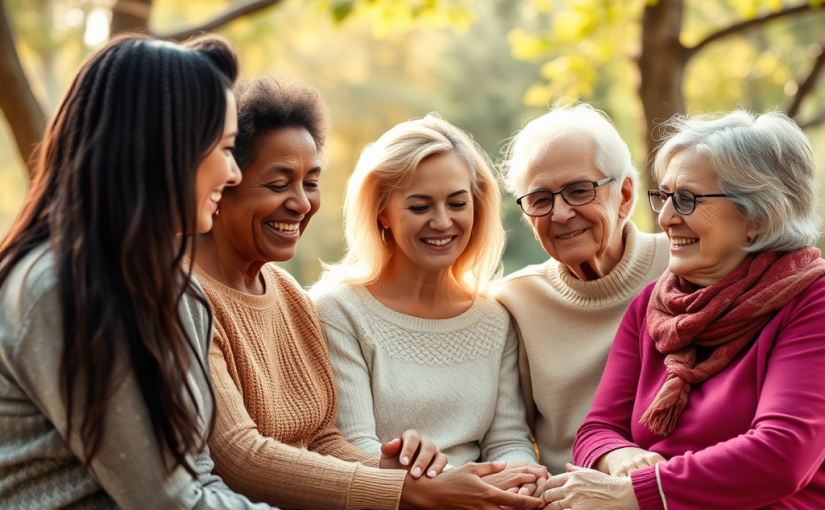
If you’re living with cancer – whether newly diagnosed, in treatment, or years into survivorship – you know it’s not just about fighting a disease. It’s about navigating an entirely new reality where your body, your future, and your identity have all changed. If you love someone with cancer, understanding that the journey doesn’t end when treatment stops can help you provide better support. Cancer affects over 18 million survivors in the United States alone, and for many, it becomes a chronic condition requiring ongoing management. Whether you’re facing active treatment, managing long-term effects, or supporting someone on this journey, this guide will provide the comprehensive understanding you need.
Living with cancer means your life is divided into “before” and “after” – before you heard those words, and after everything changed. It’s learning a new medical vocabulary, navigating complex treatment decisions, and discovering that your body can feel like a stranger. It’s the exhaustion that goes beyond tired, the fear that sits quietly in the background, and the realization that “beating cancer” doesn’t mean returning to your old life; it means building a new one.
Understanding Cancer: More Than a Single Disease
What Is Cancer?
Cancer is not one disease but rather a collection of over 200 related diseases characterized by the uncontrolled growth and spread of abnormal cells. When these cells grow out of control, they can form tumors, invade nearby tissues, and spread to other parts of the body through the blood and lymph systems.
Cancer is increasingly understood as a chronic condition because:
- Many people live with cancer for years or decades
- Treatment often continues long-term to prevent recurrence
- Side effects and complications can persist long after treatment ends
- Regular monitoring and follow-up care continue for life
- The risk of recurrence or new cancers remains elevated
Types of Cancer and Their Impact
Blood cancers (hematologic malignancies):
- Leukemia, lymphoma, multiple myeloma
- Often treated with chemotherapy, targeted therapy, or stem cell transplant
- May require ongoing treatment to maintain remission
- Can significantly affect immune system function
Solid tumors:
- Breast, lung, colorectal, prostate, and many others
- Treatment often involves surgery, chemotherapy, radiation, or combinations
- May be localized or have spread to other areas
- Long-term monitoring for recurrence is standard
Rare cancers:
- Often have limited treatment options and research
- May require travel to specialized centers
- Support communities may be smaller and harder to find
- Treatment plans may be more experimental
Pediatric cancers:
- Often biologically different from adult cancers
- May have higher cure rates but also more long-term effects
- Affect growth, development, and lifelong health
- Impact entire families and require specialized care
Stages of the Cancer Journey
Diagnosis:
- Shock, fear, and information overload
- Learning a new medical vocabulary
- Making treatment decisions under pressure
- Assembling a healthcare team
Active treatment:
- Managing side effects and complications
- Balancing treatment with daily life
- Dealing with uncertainty about outcomes
- Coping with physical and emotional changes
Post-treatment/Survivorship:
- Transitioning from active care to monitoring
- Managing long-term and late effects
- Fear of recurrence
- Rebuilding identity and planning for the future
Living with metastatic cancer:
- Ongoing treatment to control disease
- Balancing quality of life with treatment intensity
- Managing hope and realistic expectations
- Planning for uncertain timelines
The Reality: What Cancer Actually Feels Like
The Physical Experience
Cancer and its treatments affect every system in your body:
During active treatment: Your body becomes a battlefield where the treatments designed to save you also make you feel terrible. Chemotherapy might make you so nauseated that the smell of food becomes revolting, or so fatigued that taking a shower feels like running a marathon. Radiation can burn your skin and make swallowing painful. Surgery leaves you with incisions, drains, and limitations you never anticipated.
Ongoing physical effects: Long after treatment ends, your body may not return to “normal.” Chemotherapy can cause neuropathy – tingling, numbness, or pain in your hands and feet that makes simple tasks difficult. You might experience “chemo brain” – cognitive changes that affect memory, concentration, and thinking. Some people develop heart problems, lung issues, or other organ damage from treatments.
Fatigue beyond tired: Cancer fatigue is unlike any tiredness you’ve experienced before. It’s bone-deep exhaustion that sleep doesn’t fix, rest doesn’t improve, and coffee can’t touch. You might feel tired down to your cellular level, like your body is running on a battery that never fully charges.
Pain that varies: Cancer pain can be from the disease itself, from treatments, or from procedures. It might be sharp, aching, burning, or cramping. Some days it’s manageable, other days it dominates everything. Pain medications help but often come with their own side effects and concerns.
Changes in appearance: Hair loss is what most people think of, but cancer treatments can cause weight loss or gain, skin changes, scars, limb differences, or other visible changes. Some changes are temporary, others permanent. All require emotional adjustment.
The Emotional Experience
Cancer fundamentally changes how you see yourself and your future:
The initial shock: Hearing “you have cancer” often feels surreal. Your mind might go blank, or race with questions. Many people describe feeling like they’re watching someone else’s life unfold.
Loss of control: Suddenly your schedule revolves around medical appointments. Strangers make decisions about your body. Your future feels uncertain in ways it never has before.
Identity crisis: You might struggle with whether you’re a “cancer patient,” a “survivor,” or still just yourself. Cancer can feel like it takes over your identity even when you don’t want it to.
Fear in many forms: Fear of death, of pain, of treatment side effects, of being a burden, of recurrence, of the unknown. These fears might ebb and flow but rarely disappear completely.
Grief for your old life: You might mourn the person you were before cancer, the plans you had, the innocence about your own mortality. This grief is real and valid.
Isolation: Even surrounded by people, cancer can feel lonely. Others might not understand your experience, might avoid you because they don’t know what to say, or might treat you differently.
The Social and Practical Experience
Cancer affects every relationship and practical aspect of life:
Work challenges: You might need extended time off, accommodations, or might not be able to work at all. Colleagues might not know how to act around you. Your career trajectory might change permanently.
Financial impact: Even with insurance, cancer is expensive. Medications, travel to treatment centers, time off work, and ongoing care costs add up quickly. Many people face financial hardship or bankruptcy.
Family dynamics: Cancer affects everyone in the family. Roles might shift, with healthy family members taking on new responsibilities. Children might be scared or confused. Relationships might be strained or strengthened.
Social situations: People might not know what to say, might avoid you, or might treat you like you’re fragile. You might not feel like yourself at social gatherings, or might not have energy for activities you used to enjoy.
Planning challenges: Cancer makes the future feel uncertain. You might struggle with making plans, whether for next week or next year. Long-term goals might need to be reassessed.
The Myths vs. Reality: What Cancer Actually Is
Myth: “Cancer is always a death sentence”
Reality: Survival rates for many cancers have improved dramatically. Millions of people live with cancer as a chronic condition for years or decades. Many are cured completely. While cancer is serious, it’s not always fatal.
Myth: “If you have a positive attitude, you can beat cancer”
Reality: While emotional well-being is important for quality of life, attitude doesn’t determine cancer outcomes. This myth places unfair pressure on patients and suggests that those who don’t survive didn’t try hard enough.
Myth: “When treatment ends, you’re back to normal”
Reality: Cancer survivorship is its own phase with unique challenges. Many people deal with long-term side effects, fear of recurrence, and emotional adjustment for years after treatment.
Myth: “Cancer patients are always brave warriors”
Reality: People with cancer experience the full range of human emotions – fear, anger, sadness, hope. There’s no requirement to be brave or positive all the time. Bad days are normal and don’t indicate weakness.
Myth: “Cancer is contagious”
Reality: Cancer itself is not contagious. While some viruses that can increase cancer risk are contagious (like HPV), you cannot catch cancer from being around someone who has it.
Myth: “All cancer treatments make you sick”
Reality: While many treatments have side effects, not everyone experiences severe symptoms. Side effect management has improved significantly, and some newer treatments are better tolerated.
Myth: “Cancer only affects older people”
Reality: While cancer risk increases with age, people of all ages, including children and young adults, can develop cancer. Some types are more common in younger people.
Cancer as a Chronic Condition: Long-term Management
Understanding Cancer Survivorship
Survivorship begins at diagnosis and includes everyone living with a cancer diagnosis, whether in treatment, remission, or managing advanced disease.
Phases of survivorship:
- Acute survivorship: From diagnosis through completion of initial treatment
- Extended survivorship: Post-treatment monitoring and managing effects
- Permanent survivorship: Long-term survival with minimal cancer-related health issues
Long-term and Late Effects
Physical effects that may persist or develop years later:
Cardiovascular issues: Some chemotherapy drugs and radiation can damage the heart, leading to heart failure, coronary artery disease, or rhythm problems years later.
Secondary cancers: Some cancer treatments increase the risk of developing new, different cancers later in life.
Cognitive changes: “Chemo brain” or “cancer-related cognitive impairment” can affect memory, attention, and processing speed long-term.
Neuropathy: Nerve damage from chemotherapy can cause ongoing numbness, tingling, or pain in hands and feet.
Bone and joint problems: Some treatments can weaken bones, cause arthritis, or affect joint function.
Fertility and sexual health: Cancer treatments can affect reproductive health, hormone levels, and sexual function.
Lung problems: Radiation and some chemotherapy drugs can cause scarring or other lung issues.
Kidney and liver function: Some treatments can affect organ function over time.
Emotional and Psychological Long-term Effects
Fear of recurrence: This is one of the most common concerns for cancer survivors. Every ache, pain, or unusual symptom can trigger anxiety about cancer returning.
Post-traumatic stress: Cancer diagnosis and treatment can be traumatic. Some people develop PTSD-like symptoms including nightmares, flashbacks, or severe anxiety.
Depression and anxiety: Higher rates of mental health conditions persist long after treatment ends.
Identity and life perspective changes: Many people struggle with who they are after cancer and how to integrate this experience into their life story.
Relationship changes: Some relationships are damaged by the cancer experience, while others are strengthened. Dating and forming new relationships can be complicated by cancer history.
Daily Life During Treatment: Managing the Immediate Challenges
Treatment Side Effects Management
Nausea and vomiting:
- Anti-nausea medications before, during, and after treatment
- Dietary modifications (bland foods, small frequent meals)
- Ginger, acupuncture, or other complementary approaches
- Staying hydrated even when food doesn’t appeal
Fatigue management:
- Balancing activity with rest (not bed rest, but appropriate energy conservation)
- Light exercise as tolerated and approved by medical team
- Prioritizing activities that are most important
- Accepting help with daily tasks
Hair loss coping:
- Exploring wig, scarf, or hat options before hair loss begins
- Considering a “preview” haircut to make the transition easier
- Remembering that hair loss is usually temporary
- Connecting with others who understand the emotional impact
Immune system support:
- Following neutropenic precautions when white blood cells are low
- Avoiding crowds, sick people, and certain foods when immune compromised
- Reporting fever or signs of infection immediately
- Maintaining good hygiene without becoming obsessive
Nutrition During Cancer Treatment
Common challenges:
- Taste changes that make favorite foods unpalatable
- Mouth sores that make eating painful
- Nausea that makes food unappealing
- Constipation or diarrhea affecting dietary choices
Strategies that help:
- Working with oncology dietitians for personalized recommendations
- Focusing on calories and protein when appetite is poor
- Eating small, frequent meals instead of large ones
- Staying hydrated with water, broths, or other approved fluids
- Using nutritional supplements when regular food isn’t sufficient
Work and Finances During Treatment
Employment considerations:
- Understanding Family and Medical Leave Act (FMLA) protections
- Communicating with employers about treatment schedules and limitations
- Considering short-term or long-term disability options
- Exploring work-from-home arrangements when possible
Financial management:
- Understanding insurance coverage and out-of-pocket maximums
- Exploring patient assistance programs for medications
- Connecting with hospital financial counselors
- Considering fundraising or grant opportunities
- Planning for reduced income during treatment
Treatment Options: Understanding Your Choices
Surgery
Types of cancer surgery:
- Diagnostic surgery: Biopsies to determine cancer type and stage
- Staging surgery: Determining how far cancer has spread
- Primary treatment: Removing tumors and surrounding tissue
- Debulking surgery: Removing as much tumor as possible
- Palliative surgery: Relieving symptoms or complications
- Reconstructive surgery: Restoring function or appearance
Recovery considerations:
- Healing times vary by procedure and individual factors
- Physical therapy may be needed to regain function
- Some surgeries result in permanent changes requiring adaptation
- Emotional adjustment to body changes takes time
Chemotherapy
How chemotherapy works:
- Uses drugs to kill cancer cells or stop them from growing
- May be given orally, intravenously, or through other routes
- Often given in cycles with rest periods between treatments
- Different drugs target cancer cells in different ways
Types of chemotherapy:
- Adjuvant: Given after surgery to eliminate remaining cancer cells
- Neoadjuvant: Given before surgery to shrink tumors
- Metastatic treatment: For cancer that has spread to other areas
- Maintenance therapy: Ongoing treatment to prevent recurrence
Radiation Therapy
How radiation works:
- High-energy beams damage cancer cell DNA
- Given in precise doses to specific areas
- Usually administered daily over several weeks
- Technology allows for very targeted treatment
Types of radiation:
- External beam radiation: Delivered from outside the body
- Internal radiation (brachytherapy): Placed inside the body near cancer
- Systemic radiation: Radioactive substances given orally or intravenously
Targeted Therapy and Immunotherapy
Targeted therapy:
- Drugs that target specific cancer cell features
- Often has fewer side effects than traditional chemotherapy
- May be given as pills or infusions
- Requires specific genetic markers in tumors
Immunotherapy:
- Helps the immune system recognize and fight cancer
- Includes checkpoint inhibitors, CAR-T therapy, and cancer vaccines
- Can have unique side effects related to immune system activation
- Not effective for all cancer types but revolutionary for some
Clinical Trials
Understanding research participation:
- Testing new treatments or combinations of treatments
- May provide access to promising therapies not yet approved
- Include careful monitoring and safety protocols
- Participation is voluntary and can be stopped at any time
Types of clinical trials:
- Phase I: Testing safety and dosage of new treatments
- Phase II: Testing effectiveness in specific cancer types
- Phase III: Comparing new treatments to standard treatments
- Phase IV: Studying long-term effects of approved treatments
Living with Metastatic Cancer: A Different Journey
Understanding Advanced Cancer
Metastatic cancer means cancer has spread from where it started to other parts of the body. While often not curable, many people live with metastatic cancer for months or years with good quality of life.
Goals of treatment shift to:
- Controlling cancer growth and spread
- Managing symptoms and maintaining quality of life
- Extending life while preserving function and comfort
- Balancing treatment benefits with side effects
Treatment Approaches for Advanced Cancer
Systemic treatments:
- Chemotherapy, targeted therapy, or immunotherapy to control disease throughout the body
- Often given continuously or in cycles
- May be changed if cancer develops resistance
Local treatments:
- Radiation for specific symptomatic areas
- Surgery to relieve complications or symptoms
- Procedures to manage fluid buildup or blockages
Palliative care:
- Specialized medical care focused on relief of symptoms and stress
- Can be provided alongside curative treatments
- Includes pain management, symptom control, and emotional support
- Not the same as hospice care
Making Treatment Decisions with Advanced Cancer
Factors to consider:
- Potential benefits vs. side effects of treatments
- Impact on quality of life and daily functioning
- Personal values and goals
- Family considerations and support systems
- Financial implications of ongoing treatment
Communication with healthcare team:
- Discussing prognosis and realistic expectations
- Understanding all available options, including comfort care
- Expressing preferences about aggressiveness of treatment
- Planning for different scenarios and decision points
For Family and Friends: How to Support Someone with Cancer
Understanding the Impact on Families
Cancer affects everyone in the family:
- Roles and responsibilities often shift
- Financial stress affects household budgets
- Children may be scared, confused, or act out
- Relationships may be strained by stress and uncertainty
- Caregivers often experience their own emotional challenges
What TO Do
Provide practical support:
- Offer specific help rather than saying “let me know if you need anything”
- Help with meals, transportation, childcare, or household tasks
- Attend medical appointments when invited
- Help organize medications, schedules, or insurance paperwork
- Research resources and support services
Offer emotional support:
- Listen without trying to fix everything
- Allow them to express fear, anger, or sadness without judgment
- Continue to include them in normal activities when they’re able
- Remember important dates like treatment milestones or scan results
- Be patient with their changing energy levels and limitations
Maintain the relationship:
- Talk about things other than cancer sometimes
- Continue to see them as a whole person, not just a cancer patient
- Include them in future planning and normal conversations
- Respect their decisions about treatment and how much to share
- Be consistent in your support over the long term
What NOT to Do
Avoid these approaches:
- Don’t say “everything happens for a reason” or “God only gives you what you can handle”
- Don’t share stories about people who died from cancer
- Don’t suggest alternative treatments unless specifically asked
- Don’t compare their experience to others you know with cancer
- Don’t assume they can’t do things without asking them first
- Don’t take their mood changes or need for space personally
Avoid these communication mistakes:
- Don’t avoid them because you don’t know what to say
- Don’t pretend nothing has changed or that everything is normal
- Don’t focus only on staying positive
- Don’t ask for medical details unless they volunteer them
- Don’t make their cancer about your feelings or fears
Supporting Children and Families
When cancer affects families with children:
- Age-appropriate honesty is usually better than trying to hide the diagnosis
- Children often imagine things are worse than they are if left uninformed
- Maintaining routines helps children feel secure
- Professional counseling may help children process their feelings
- Extended family and friends can help maintain normalcy for children
Self-Care for Caregivers
Caregiving for someone with cancer is demanding:
- Caregiver burnout is real and common
- Seeking support for yourself isn’t selfish – it’s necessary
- Respite care allows caregivers time to recharge
- Support groups for caregivers provide understanding and practical tips
- Professional counseling can help process the emotional challenges
Managing Fear of Recurrence
Understanding Recurrence Anxiety
Fear of recurrence is normal and common:
- Affects most cancer survivors to some degree
- Can be triggered by symptoms, medical appointments, or anniversaries
- May actually increase over time rather than decrease
- Can interfere with daily life and decision-making if severe
Coping Strategies
Practical approaches:
- Learning the actual statistics for your specific cancer type and stage
- Developing symptom awareness without becoming obsessive
- Keeping follow-up appointments and recommended screenings
- Maintaining healthy lifestyle habits that may reduce recurrence risk
Emotional management:
- Mindfulness and meditation to manage anxiety
- Cognitive behavioral therapy techniques for intrusive thoughts
- Support groups with other survivors
- Professional counseling when fear becomes overwhelming
- Gradual exposure to normal activities and future planning
Building a New Normal
Survivorship involves creating a life that acknowledges cancer without being dominated by it:
- Developing new priorities and perspectives
- Finding meaning in the cancer experience
- Balancing vigilance with living fully
- Creating traditions and goals that acknowledge uncertainty
- Building identity beyond cancer diagnosis
Frequently Asked Questions
How do I know if cancer has come back? Regular follow-up care with your oncology team is the best way to monitor for recurrence. Learn the signs and symptoms specific to your cancer type, but remember that most aches and pains are not cancer recurrence.
Will I ever feel normal again after cancer treatment? Many people do feel well again, but your “new normal” may be different from before cancer. Some effects are temporary, others may be permanent. Most people adapt and find ways to live fully despite ongoing changes.
Should I change my diet to prevent cancer recurrence? While no specific diet prevents recurrence, maintaining a healthy weight, eating plenty of fruits and vegetables, limiting processed foods, and staying hydrated support overall health during and after cancer treatment.
How long do I need follow-up care? This varies by cancer type, stage, and treatment. Some people need intensive monitoring for several years, while others require lifelong follow-up. Your oncology team will develop a survivorship plan specific to your situation.
Can I get pregnant after cancer treatment? Fertility can be affected by cancer treatments, but many people do have children after cancer. Discuss fertility preservation before treatment if possible, and talk with your healthcare team about pregnancy safety and timing.
How do I talk to my children about my cancer? Age-appropriate honesty is usually best. Children often cope better when they understand what’s happening than when left to imagine. Consider involving child psychologists or social workers for guidance.
Resources for Cancer Support
Major Cancer Organizations
American Cancer Society: cancer.org – Comprehensive information, support services, and local resources
National Cancer Institute: cancer.gov – Government research and treatment information
National Comprehensive Cancer Network: nccn.org – Evidence-based treatment guidelines
CancerCare: cancercare.org – Free professional support services including counseling and support groups
Specific Cancer Type Organizations
Susan G. Komen: komen.org – Breast cancer support and resources
Leukemia & Lymphoma Society: lls.org – Blood cancer information and support
Lung Cancer Alliance: lungcanceralliance.org – Lung cancer advocacy and support
Colorectal Cancer Alliance: ccalliance.org – Colorectal cancer resources
Practical Support Resources
Patient Navigator Programs: Many hospitals provide patient navigators to help coordinate care
Financial assistance programs: CancerCare, Patient Access Network, pharmaceutical company programs
Transportation assistance: American Cancer Society Road to Recovery, medical transport services
Lodging assistance: American Cancer Society Hope Lodge, Ronald McDonald House
Online Support Communities
Cancer Support Community: cancersupportcommunity.org – Online and in-person support groups
Stupid Cancer: stupidcancer.org – Support for young adults with cancer
CaringBridge: caringbridge.org – Platforms for sharing updates with family and friends
Smart Patients: smartpatients.com – Online community for cancer patients and caregivers
The Bottom Line
Cancer is a complex, challenging disease that affects every aspect of life – physical, emotional, social, and practical. While no one chooses cancer, you do have choices about how to approach treatment, manage side effects, and build your life during and after cancer.
Key truths about living with cancer:
- Cancer experiences are highly individual – no two people have identical journeys
- Modern treatments are more effective and better tolerated than ever before
- Many people live full, meaningful lives during and after cancer treatment
- It’s normal to have bad days, feel scared, or struggle with your diagnosis
- Support is available from healthcare teams, family, friends, and other cancer survivors
- Your feelings and concerns are valid, whatever they may be
Remember:
- You are more than your cancer diagnosis
- It’s okay to ask for help and accept support from others
- Treatment advances continue to improve outcomes for people with cancer
- Many people find new meaning, priorities, and strength through their cancer experience
- Taking things one day at a time is not just acceptable, it’s often necessary
- Your journey with cancer is unique, and there’s no “right” way to have cancer
Whether you’re newly diagnosed, in the middle of treatment, living with advanced cancer, or years into survivorship, know that your experience is valid and that support is available. Cancer may have changed your life, but it doesn’t have to define your entire future.
The cancer journey is difficult, but you don’t have to walk it alone. With proper medical care, support from loved ones, and connection with others who understand, it’s possible to live with meaning, hope, and even joy alongside cancer.
Living with cancer or supporting someone who is? Share your experiences and sources of strength in the comments below. Your story might provide exactly the hope or practical advice someone else needs to hear.

 Chronically Hustling